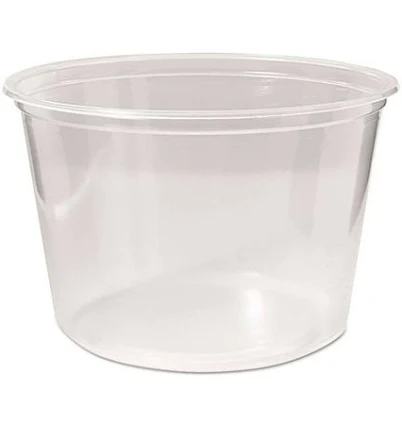
Fabri-Kal · Disposable Food Containers
Fabri-Kal Microwavable Deli Containers
Skip until brand clearly discloses coating composition and PFAS details.
Fabri-Kal deli containers use polypropylene with grease-resistant treatment for food contact. The brand provides no public information about coating chemistry or PFAS status.
The better-graded swap
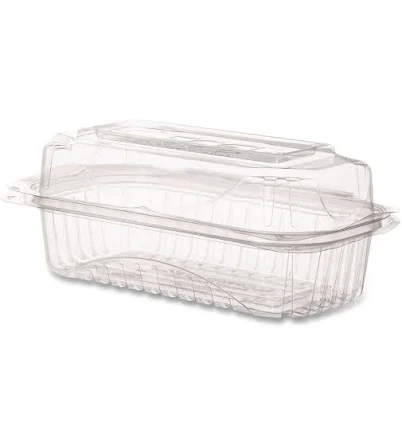
Eco-Products
Eco-Products Compostable Clear Clamshell Hinged Food
100/100 safety
Same rubric that flunked this product. The swap earned Excellent.
Still want this one anyway? Check the price on Amazon. We’d swap it.
Material
Polypropylene (PP) with grease-resistant coating
Brand disclosure
Brand is silent on PFAS
Lab data
No public lab test
You may also be interested in
Top-graded picks in the categories readers replace first, every one scored on the same rubric.

- polypropylene filter housing, carbon/sediment cartridge
- We found no PFAS statement from the brand
- Bacterial growth in spent cartridges
3 hazards checked on this product, all on its full breakdown.

Aquasure
Premier Series 75 GPD Under Sink Reverse Osmosis Water Filtration System
- RO membrane, carbon filters, stainless steel housing
- We found no PFAS statement from the brand
- Bacterial and microbial growth in housing and filters
4 hazards checked on this product, all on its full breakdown.

Avocado
Vegan Mattress
- organic cotton, natural latex, coconut coir, recycled steel coils
- The brand calls it PFAS-free, which we have not verified
- Heavy metals
2 hazards checked on this product, all on its full breakdown.
What Fabri-Kal Microwavable Deli Containers is made of, ingredients and materials
Fabri-Kal Microwavable Deli Containers are polypropylene (PP), a thermoplastic with a melting point around 130°C (266°F), making it suitable for microwave use at moderate power levels. The grease-resistant coating is the critical unknown, such coatings often employ fluorinated compounds (PFAS or alternatives) to repel oils and aqueous liquids. Fabri-Kal has not publicly disclosed whether this coating uses PFAS, fluorine-free alternatives, or traditional wax-based treatments. This opacity prevents definitive hazard grading on the coating layer itself.
What’s concerning
Category baseline
The starting point for this type of product, before anything specific to this product is counted.
No PFAS disclosure
No public statement from the brand about PFAS in this product.
Waterproof / stain-resistant treatment
Water-repellent coating treatments have historically used PFAS.
PFAS
Fabri-Kal has not disclosed coating chemistry. Grease-resistant coatings commonly rely on PFAS or PFAS alternatives; without brand confirmation of fluorine-free formulation, risk cannot be ruled out, particularly for fatty food contact or heat exposure.
Source, ATSDR ↗Coating degradation and migration over time
PP-based food contact articles can experience coating wear and microflake shedding with repeated use, heating, and abrasive cleaning. Risk of ingesting coating particles or mobilizing coating constituents increases as containers age; no published shelf-life or degradation timeline from Fabri-Kal.
Polypropylene leaching at elevated temperatures
PP itself is low-risk at normal use temperatures, but exposure to hot oils, high-power microwave heating, or prolonged heat can accelerate oligomer and plasticizer migration. Fabri-Kal containers are labeled microwavable but microwave safety depends on power level and food type; brand provides no specific heating protocol.
Antimony trioxide residue (catalyst from PP polymerization)
PP often uses antimony trioxide as a polymerization catalyst; residual antimony can leach into fatty foods or acidic foods, particularly when heated. Risk is low under normal use but non-zero; brand does not specify antimony levels or removal protocols.
What’s reassuring
BPA & bisphenols
PP does not typically require BPA or phthalates as processing aids or plasticizers, unlike polycarbonate or PVC. No known BPA or ortho-phthalate contamination reported in PP deli containers from major brands; Fabri-Kal product-specific testing data is not publicly available.
Source, FDA ↗How is this PFAS grade calculated?
The brand's record and disclosure
Fabri-Kal (Berry Global subsidiary) maintains minimal public disclosure on grease-resistant coating chemistry across its product lines. The brand does not market itself as PFAS-free or list coating ingredients on standard product packaging or corporate sustainability statements reviewed in public sources. No major recalls for leaching or coating degradation in deli containers have been documented, and PP itself carries no known regulatory red flags. The silence on coating formulation is the primary transparency gap, particularly relevant given industry-wide PFAS migration to food contact articles.
How it compares in its category
Deli container competitors (Inline, Pactiv, local molders) use similar PP with grease barriers; few disclose coating type openly. Glass or cardboard alternatives eliminate coating risk entirely but sacrifice durability and convenience. PP containers dominate this market because they balance cost, heat tolerance, and barrier performance. Fabri-Kal's lack of transparency is typical for the category, not exceptional, but represents a category-wide compliance gap on PFAS disclosure that regulators increasingly scrutinize.
If you buy it
Avoid prolonged contact with fatty or oily foods at elevated temperatures (e.g., hot deli meats immediately post-purchase). Microwave only at 50% power or defrost setting if heating is necessary; use standard microwave containers instead for reheating. Do not use in conventional ovens or steam environments, as heat can degrade both PP and coating. Replace containers if coating visibly flakes, discolors, or becomes slick; do not reuse for fatty foods once coating integrity is compromised. Store at room temperature away from direct sunlight to slow polymer aging.
What is not known about PFAS in this product?
- Basis
- Model estimate, 45% confidence, not a lab result
- Lab test
- None on record for this exact product
- Brand statement
- Fabri-Kal has made none
Formulations change between production runs, so check the current label. How we grade.
What are the PFAS-free alternatives to Fabri-Kal Microwavable Deli Containers?
Eco-Products
Compostable Clear Clamshell Hinged Food
- Compostable resin (PLA/PBAT blend, plant-based)
- A third party reports verifying it as PFAS-free
- Thermal degradation and chemical release at use temperatures
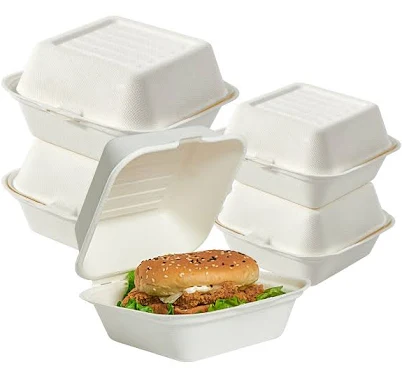
- Sugarcane bagasse (compostable fiber)
- We found no PFAS statement from the brand
- Bleaching agents and residual processing chemicals
3 hazards checked on this product, all on its full breakdown.
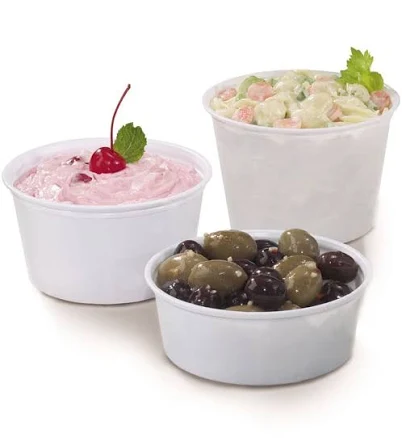
- polypropylene (PP) container, uncoated
- We found no PFAS statement from the brand
- Microplastics
2 hazards checked on this product, all on its full breakdown.
More disposable food containers grades
How we score, every product runs through the same public 0-100 rubric based on materials, coatings, brand disclosure, lab findings, and recalls. See the full methodology → Spotted a mistake? Report an error.