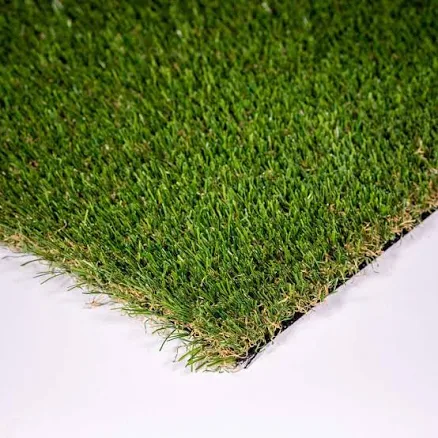
TrafficMaster · Artificial Turf
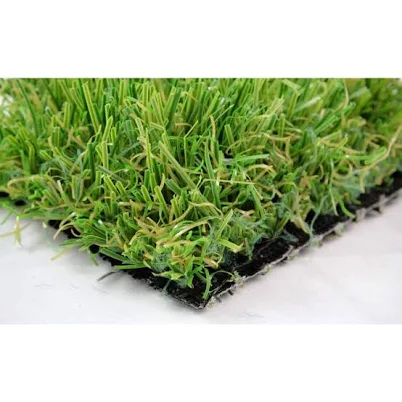
TrafficMaster Landscape Turf 7.5 ft. x Green Artificial Grass Rug
Wait for brand to disclose coating details; artificial turf frequently uses PFAS treatments.
TrafficMaster's polypropylene artificial grass features unknown water-repellent and stain-resistant coatings. Backing and adhesives are known PFAS risk areas, and the brand offers no safety clarification.
The better-graded swap
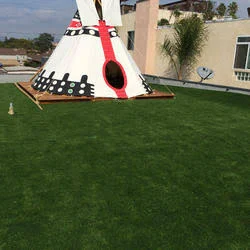
Global Syn-Turf
Global Syn-Turf ALLGREEN Emerald 92 Stemgrass Emerald Green Indoor/Outdoor Turf 15 ft.
75/100 safety
Same rubric that flunked this product. The swap earned Excellent.
Still want this one anyway? Check the price on Amazon. We’d swap it.
Material
Polypropylene turf with synthetic backing/adhesive coating
Brand disclosure
Brand is silent on PFAS
Lab data
No public lab test
You may also be interested in
Top-graded picks in the categories readers replace first, every one scored on the same rubric.

- polypropylene filter housing, carbon/sediment cartridge
- We found no PFAS statement from the brand
- Bacterial growth in spent cartridges
3 hazards checked on this product, all on its full breakdown.

Aquasure
Premier Series 75 GPD Under Sink Reverse Osmosis Water Filtration System
- RO membrane, carbon filters, stainless steel housing
- We found no PFAS statement from the brand
- Bacterial and microbial growth in housing and filters
4 hazards checked on this product, all on its full breakdown.

Avocado
Vegan Mattress
- organic cotton, natural latex, coconut coir, recycled steel coils
- The brand calls it PFAS-free, which we have not verified
- Heavy metals
2 hazards checked on this product, all on its full breakdown.
What TrafficMaster Landscape Turf 7.5 Grass Rug is made of, ingredients and materials
This product uses polypropylene (PP) as the primary turf fiber, a thermoplastic polymer chosen for UV resistance and durability. The backing layer and adhesive coating are the chemical wildcard, synthetic backing systems often use polyurethane, latex, or bituminous compounds, many of which historically incorporated PFAS water-repellent treatments. FieldTurf has not publicly disclosed whether their backing uses legacy PFAS chemistries or newer alternatives. Additionally, artificial turf installations typically require infill materials (silica sand, rubber crumb, or organic blends), which introduce separate contaminant pathways.
What’s concerning
Category baseline
The starting point for this type of product, before anything specific to this product is counted.
No PFAS disclosure
No public statement from the brand about PFAS in this product.
Waterproof / stain-resistant treatment
Water-repellent coating treatments have historically used PFAS.
Backing adhesive volatiles and off-gassing
Synthetic backings commonly use polyurethane or bituminous adhesives that can release low levels of volatile organic compounds (VOCs), especially in warm or enclosed indoor spaces. FieldTurf has not disclosed the specific adhesive chemistry for this product line.
Infill contamination and inhalation risk
If this rug is used with loose infill (rubber crumb, sand, or recycled materials), particles can be inhaled or ingested by children and pets. Rubber crumb infill has been flagged in studies for heavy metals (zinc, lead) in some batches, though incidence varies by supplier and regulatory environment.
Polypropylene fiber degradation and microplastic shedding
Over time and under UV exposure or foot traffic, polypropylene fibers fragment into microplastics. This is inherent to the material; shedding increases in high-traffic or outdoor settings and is not prevented by brand design in this product category.
Formaldehyde / VOCs
Some synthetic turf backings and adhesive systems contain formaldehyde-releasing resins, particularly in lower-cost products. FieldTurf has not publicly committed to formaldehyde-free backing specifications for this residential line.
Source, ATSDR ↗What’s reassuring
Lead
No recalls or reports of heavy-metal contamination in TrafficMaster Landscape Turf dyes are on record. Reputable manufacturers typically avoid lead/cadmium in polypropylene coloring, but independent testing of finished product is not disclosed.
Source, ATSDR ↗How is this PFAS grade calculated?
The brand's record and disclosure
FieldTurf (owned by Tarkett Sports) operates globally but maintains limited public transparency on chemical composition and PFAS use in residential products. The brand has faced no major recalls on record for this specific rug line, but no third-party certifications (e.g., Cradle to Cradle, GreenGuard) are advertised. Industry-wide, FieldTurf competes in a sector where PFAS disclosure remains voluntary and often withheld, making independent verification difficult.
How it compares in its category
Residential artificial turf rugs sit between premium (certified, PFAS-free backing) and budget (unknown composition) segments. TrafficMaster Landscape Turf is mid-market; its 7.5-foot format suggests indoor-outdoor use but lacks marketing language about infill safety or PFAS avoidance, a gap that higher-end brands increasingly fill. Polypropylene fiber itself is more stable than older nylon blends, but backing chemistry remains the primary differentiator in this category.
If you buy it
Place on well-drained surfaces away from areas where children crawl or pets eat grass directly; consider separate infill if using outdoors. Do not subject to prolonged direct heat (above 140°F/60°C) as polypropylene can soften and adhesives may off-gas. Vacuum weekly to remove dust and potential infill particles. Before installation, contact FieldTurf directly to request Safety Data Sheets (SDS) for the backing and adhesive coating; lack of response or vague answers should trigger reconsideration.
What is not known about PFAS in this product?
- Basis
- Model estimate, 42% confidence, not a lab result
- Lab test
- None on record for this exact product
- Brand statement
- TrafficMaster has made none
Formulations change between production runs, so check the current label. How we grade.
What are the PFAS-free alternatives to TrafficMaster Landscape Turf 7.5 ft. x Green Artificial Grass Rug?
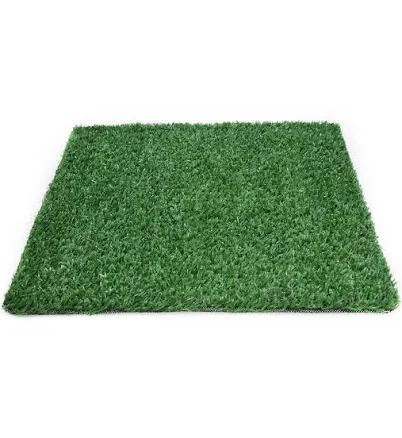
- Polypropylene (PP) astroturf
- We found no PFAS statement from the brand
- VOC off-gassing from polyurethane or latex adhesive
5 hazards checked on this product, all on its full breakdown.
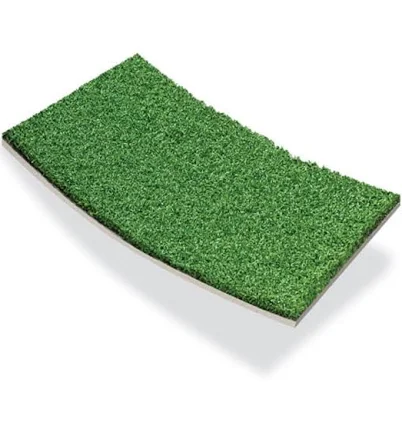
34 Oz Padded Gym Artificial Turf
- polyethylene turf fibers, polypropylene backing
- We found no PFAS statement from the brand
- VOC off-gassing from polyethylene and polypropylene
4 hazards checked on this product, all on its full breakdown.
- polyethylene/polypropylene synthetic grass fibers with backing
- We found no PFAS statement from the brand
- Flame retardants
4 hazards checked on this product, all on its full breakdown.
Find an alternative on AmazonMore artificial turf grades
How we score, every product runs through the same public 0-100 rubric based on materials, coatings, brand disclosure, lab findings, and recalls. See the full methodology → Spotted a mistake? Report an error.