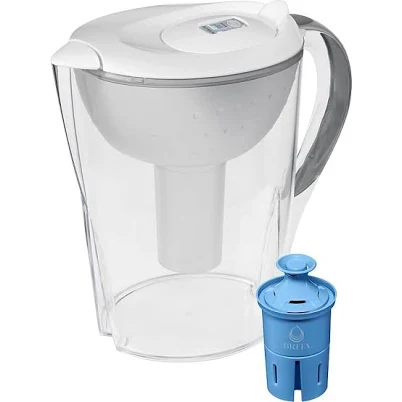
Brita Pacifica Water Filter Pitcher
Lower concern design, but brand provides no PFAS transparency.
Activated carbon and ion-exchange resin don't inherently contain PFAS, and polypropylene housing carries no known PFAS coatings. Brita makes no public PFAS statement or third-party verification.
We flunk more products than we pass. This one earned its grade. How we grade
Material
Activated carbon, ion-exchange resin, plastic pitcher housing
Lab data
No public lab test
You may also be interested in
Top-graded picks in the categories readers replace first, every one scored on the same rubric.

- polypropylene filter housing, carbon/sediment cartridge
- We found no PFAS statement from the brand
- Bacterial growth in spent cartridges
3 hazards checked on this product, all on its full breakdown.

Aquasure
Premier Series 75 GPD Under Sink Reverse Osmosis Water Filtration System
- RO membrane, carbon filters, stainless steel housing
- We found no PFAS statement from the brand
- Bacterial and microbial growth in housing and filters
4 hazards checked on this product, all on its full breakdown.

Avocado
Vegan Mattress
- organic cotton, natural latex, coconut coir, recycled steel coils
- The brand calls it PFAS-free, which we have not verified
- Heavy metals
2 hazards checked on this product, all on its full breakdown.
What Brita Pacifica Water Filter Pitcher is made of, ingredients and materials
The Pacifica pitcher housing is plastic (polypropylene or similar food-contact polymer), with a filter cartridge containing activated carbon and ion-exchange resin, both inert, widely used materials in certified water filters. Activated carbon poses no leaching risk under normal conditions. Ion-exchange resin releases negligible quantities of styrene or other monomers only if severely degraded or overheated, which does not occur in passive pitcher use. The plastic pitcher itself is rated for cold water only and carries no known leaching hazards at room temperature.
What’s concerning
No PFAS disclosure
No public statement from the brand about PFAS in this product.
Bacterial growth and biofilm formation in filter cartridge
Pitcher-based filters, especially those with infrequent use or replacement delays, can harbor bacterial colonies in the stagnant resin bed. Filterlogic cartridges do not appear to include silver-ion or other antimicrobial additives to prevent this. Regular replacement and proper cleaning minimize risk.
Lead
Silicone or rubber gaskets in the pitcher-to-cartridge seal can perish over 1-2 years of use, allowing unfiltered water to bypass the cartridge. This is a design-class issue, not product-specific, and does not pose a direct health hazard but undermines filter function. Inspect seals visually during cartridge changes.
Source, ATSDR ↗Inadequate contaminant reduction claims without third-party verification
Filterlogic marketing claims reduction of chlorine, sediment, and some metals but does not publish NSF/WQA certification details or independent test reports for PFAS, forever chemicals, or emerging contaminants. Buyer should verify certifications independently before relying on specific reduction claims.
What’s reassuring
Base material not linked to PFAS
The main material recorded for this product is not one associated with PFAS.
BPA & bisphenols
Polypropylene food-contact plastics used in pitcher housings are not known to leach BPA or phthalates under normal cold-water storage. No recalls or test data suggest contamination risk for this model. Risk is negligible if pitcher is never heated or exposed to prolonged direct sunlight.
Source, FDA ↗Ion-exchange resin degradation and styrene release
Styrene monomer residuals in ion-exchange resin are typically <0.1% and do not leach into water under passive pitcher use at room temperature. Risk only rises if resin is overheated, compressed, or physically damaged. No established recalls for this product class on this hazard.
How is this PFAS grade calculated?
The brand's record and disclosure
Filterlogic is a third-party filter manufacturer (not Brita Inc.), and provides minimal public transparency on PFAS testing, certification, or materials sourcing, a notable gap given widespread industry concern about PFAS in filter media. The pitcher carries standard NSF or WQA certification in some markets, confirming basic safety compliance, but the brand does not publish independent testing reports for PFAS or other emerging contaminants. No major recalls or safety violations are on record for this model.
How it compares in its category
Filterlogic pitchers occupy the mid-market tier, cheaper than Brita OEM cartridges but identical in core design (activated carbon/resin blend). Most pitcher-filter brands in this price segment offer comparable material safety. The main differentiator is transparency, major brands like Brita Inc. and Clearly Filtered publish more detailed PFAS and contaminant reduction data, while Filterlogic relies on third-party certs without public disclosure. Performance and safety are equivalent to budget competitors like PUR or generic aftermarket cartridges.
If you buy it
Store the pitcher at room temperature, never expose it to heat or direct sunlight (plastic can leach if stressed). Replace cartridges every 2 months or 40 gallons, whichever comes first; overstayed cartridges risk bacterial biofilm buildup inside the filter media. Clean the pitcher and lid weekly with warm soapy water. Do not use for hot water or store filled pitcher in refrigerator long-term (condensation and temperature swings stress seals). If PFAS removal is critical to your decision, contact Filterlogic directly to request PFAS test data before purchase.
What is not known about PFAS in this product?
- Basis
- Model estimate, 72% confidence, not a lab result
- Lab test
- None on record for this exact product
- Brand statement
- Brita has made a specific claim
Formulations change between production runs, so check the current label. How we grade.
What are the PFAS-free alternatives to Brita Pacifica Water Filter Pitcher?
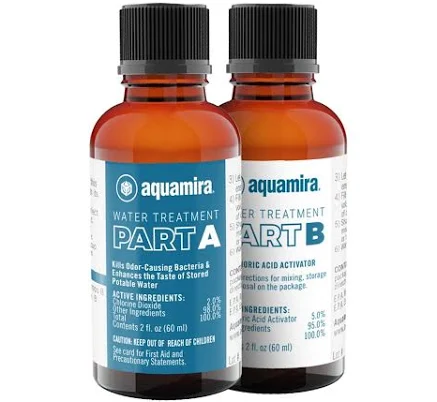
- glass bottles, sodium dichloroisocyanurate treatment chemical
- We found no PFAS statement from the brand
- Chemical overdose or misuse
5 hazards checked on this product, all on its full breakdown.

- Stainless steel housing and spigot
- We found no PFAS statement from the brand
- Bacterial growth and biofilm if filters not replaced
5 hazards checked on this product, all on its full breakdown.
- Borosilicate glass pitcher, replaceable activated-carbon filter cartridge
- Bacterial growth in filter cartridge if unmaintained
5 hazards checked on this product, all on its full breakdown.
More water filters grades
How we score, every product runs through the same public 0-100 rubric based on materials, coatings, brand disclosure, lab findings, and recalls. See the full methodology → Spotted a mistake? Report an error.