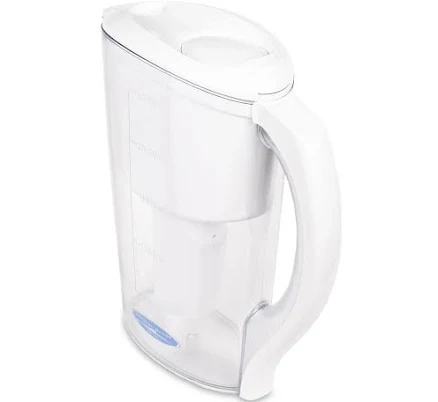
Crystal Quest Water Filter Pitcher
Lower concern product with no known PFAS signals, but brand silent.
Crystal Quest uses activated carbon and polypropylene housing, both standard materials with low PFAS risk here. Filterlogic makes no PFAS claims or third-party certifications.
We flunk more products than we pass. This one earned its grade. How we grade
Material
Activated carbon filter cartridge; polypropylene pitcher housing
Brand disclosure
Brand is silent on PFAS
Lab data
No public lab test
You may also be interested in
Top-graded picks in the categories readers replace first, every one scored on the same rubric.

- polypropylene filter housing, carbon/sediment cartridge
- We found no PFAS statement from the brand
- Bacterial growth in spent cartridges
3 hazards checked on this product, all on its full breakdown.

Aquasure
Premier Series 75 GPD Under Sink Reverse Osmosis Water Filtration System
- RO membrane, carbon filters, stainless steel housing
- We found no PFAS statement from the brand
- Bacterial and microbial growth in housing and filters
4 hazards checked on this product, all on its full breakdown.

Avocado
Vegan Mattress
- organic cotton, natural latex, coconut coir, recycled steel coils
- The brand calls it PFAS-free, which we have not verified
- Heavy metals
2 hazards checked on this product, all on its full breakdown.
What Crystal Quest Water Filter Pitcher is made of, ingredients and materials
The Crystal Quest pitcher uses activated carbon filtration in a replaceable cartridge, paired with polypropylene (PP) housing. Activated carbon is chemically inert and does not leach into water under normal use; polypropylene is a thermoplastic that remains stable at room temperature and does not off-gas volatile compounds in water-contact applications. The filter cartridge is designed for single-use replacement, limiting any degradation of the carbon bed itself.
What’s concerning
No PFAS disclosure
No public statement from the brand about PFAS in this product.
Bacterial growth in filter cartridge
Any activated carbon pitcher can harbor bacteria if cartridges are not replaced on schedule or if the pitcher sits unused for extended periods. This is a maintenance issue, not a manufacturing defect specific to Crystal Quest.
Activated carbon dust or fines in filtered water
New carbon cartridges can shed fine particles if not rinsed before use. Filterlogic does not publish guidance on this; rinsing the first pitcher of water through the cartridge is a standard precaution.
Plastic off-gassing or odor
Polypropylene pitchers may emit a faint plastic odor when new, particularly in warm storage. This is cosmetic and dissipates within days; it does not indicate chemical leaching.
What’s reassuring
Base material not linked to PFAS
The main material recorded for this product is not one associated with PFAS.
Polypropylene housing leaching
Polypropylene is thermally stable and chemically inert in room-temperature water contact. No documented cases of leaching from PP pitcher housings in this category.
Filter cartridge contamination or degradation
No recalls or safety alerts for Crystal Quest cartridges have been identified. Activated carbon is stable if kept dry before use.
How is this PFAS grade calculated?
The brand's record and disclosure
Filterlogic, a house brand for water filtration products, has no published recalls or safety controversies in public records as of 2024. The brand does not explicitly disclose PFAS testing or manufacturing processes, which is typical of mid-tier pitcher manufacturers; no major certification bodies (NSF, WQA) are claimed for this specific model. Absence of disclosure does not indicate a problem, but reflects limited transparency standard in this price segment.
How it compares in its category
Activated carbon pitchers are among the simplest water filters and avoid many hazards tied to electronic or mineral-based systems. Crystal Quest sits in the commodity tier alongside Brita and PUR; all three rely on carbon filtration and polypropylene housings with minimal documented toxicity. Filterlogic's pricing and distribution (online retailers, not premium channels) suggests this is a cost-optimized product without additional testing or feature-driven safety claims.
If you buy it
Replace cartridges every 2-3 months or per manufacturer guidance to prevent bacterial colonization in a stagnant filter. Do not expose the pitcher to direct sunlight or heat above 85F, as polypropylene can soften slightly (though this is below any leaching threshold). Rinse the pitcher and cartridge before first use. Store in a cool, dry location and discard the pitcher if cracks develop in the housing.
What is not known about PFAS in this product?
- Basis
- Model estimate, 72% confidence, not a lab result
- Lab test
- None on record for this exact product
- Brand statement
- Crystal has made none
Formulations change between production runs, so check the current label. How we grade.
What are the PFAS-free alternatives to Crystal Quest Water Filter Pitcher?
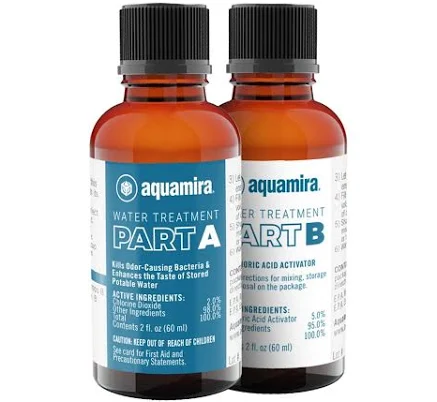
- glass bottles, sodium dichloroisocyanurate treatment chemical
- We found no PFAS statement from the brand
- Chemical overdose or misuse
5 hazards checked on this product, all on its full breakdown.

- Stainless steel housing and spigot
- We found no PFAS statement from the brand
- Bacterial growth and biofilm if filters not replaced
5 hazards checked on this product, all on its full breakdown.
- Borosilicate glass pitcher, replaceable activated-carbon filter cartridge
- Bacterial growth in filter cartridge if unmaintained
5 hazards checked on this product, all on its full breakdown.
More water filters grades
How we score, every product runs through the same public 0-100 rubric based on materials, coatings, brand disclosure, lab findings, and recalls. See the full methodology → Spotted a mistake? Report an error.