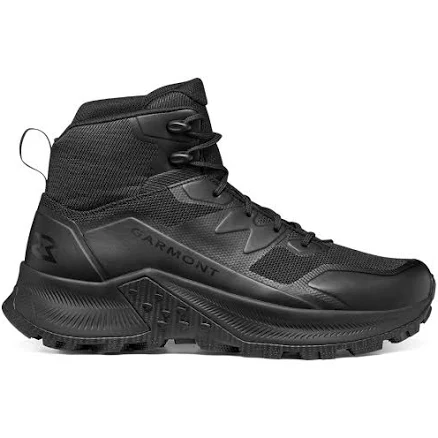
Garmont Contact 4" Boots
Skip until waterproofing method is disclosed.
Garmont does not disclose PFAS or water-repellent coating chemistry for Contact 4 boots. Waterproof hiking boots often use fluorinated treatments; confirmation needed before purchase.
Still want this one anyway? Check the price on Amazon. We’d swap it.
Material
Leather/synthetic upper with waterproof treatment
Brand disclosure
Brand is silent on PFAS
Lab data
No public lab test
You may also be interested in
Top-graded picks in the categories readers replace first, every one scored on the same rubric.

Aqua Pure
3M Aqua-Pure AP802B Whole House Filter Housing
- polypropylene filter housing, carbon/sediment cartridge
- We found no PFAS statement from the brand
- Bacterial growth in spent cartridges
3 hazards checked on this product. See all of them.

Aquasure
Premier Series 75 GPD Under Sink Reverse Osmosis Water Filtration System
- RO membrane, carbon filters, stainless steel housing
- We found no PFAS statement from the brand
- Bacterial and microbial growth in housing and filters
4 hazards checked on this product. See all of them.

Avocado
Vegan Mattress
- organic cotton, natural latex, coconut coir, recycled steel coils
- The brand calls it PFAS-free, which we have not verified
- Heavy metals
2 hazards checked on this product. See all of them.
What Garmont Contact 4" Boots is made of, ingredients and materials
The Contact 4 combines leather and synthetic uppers with an applied waterproof treatment, the specific chemistry of which Garmont has not disclosed publicly. Waterproofing in hiking boots typically relies on either PFC (per- and polyfluorocarbon) coatings or newer alternatives, and the choice determines whether the boot presents a persistent chemical exposure concern. Leather itself is not inherently hazardous, but tannery processes and synthetic overlays introduce variables. Without transparency on the waterproof method, the actual hazard profile cannot be fully assessed.
What’s concerning
Waterproof / stain-resistant treatment
Water-repellent coating treatments have historically used PFAS.
Category baseline
The starting point for this type of product, before anything specific to this product is counted.
No PFAS disclosure
No public statement from the brand about PFAS in this product.
Undisclosed waterproof coating chemistry
Garmont has not publicly specified whether the Contact 4 uses PFAS-based or alternative water-repellent coating; standard industry practice suggests possible PFC content, which poses bioaccumulative exposure during wear and care.
Synthetic material (upper overlay) off-gassing
Synthetic textiles can off-gas volatile organic compounds or formaldehyde resins during manufacturing and early use, particularly in warm or damp conditions; no specific testing on record for this model.
Adhesive or glue chemical leaching
Boots with welded or glued seams may release residual solvents or uncrosslinked oligomers into perspiration or water contact over time; no disclosure from Garmont on adhesive type or curing standards.
What’s reassuring
Formaldehyde / VOCs
No public recalls or complaints document formaldehyde use in the Contact 4 uppers; however, synthetic overlays and some leather treatments can contain urea-formaldehyde resins, and Garmont provides no material safety data sheet.
Source, ATSDR ↗Heavy metals
Leather and synthetic dyes in outdoor footwear are not systematically disclosed; no specific contamination reported for Garmont boots, but standard leather tannery processes can involve chrome or other heavy metals in dyes.
Source, FDA ↗The full breakdown
The brand's record and disclosure
Garmont has not publicly disclosed the waterproofing chemistry used in the Contact 4 or stated a commitment to PFAS-free methods. No major recalls or safety controversies are on public record for this model, but the absence of transparency on fluorochemical use, standard practice in outdoor footwear, is a significant gap. Competitors including Salomon and La Sportiva have begun labeling PFAS-free or low-fluorine options; Garmont's silence suggests either continued reliance on PFC or reluctance to commit.
How it compares in its category
Hiking boots in this price and performance tier often use water-repellent coating (water-repellent coating) coatings, many still PFC-based despite industry movement away from them. The Contact 4 is a mid-range model; comparable boots from premium brands (Scarpa, Lowa) increasingly offer PFAS-free certifications or transparent material sourcing. Without equivalent disclosure from Garmont, the Contact 4 sits at a disadvantage in a category where fluorochemical exposure is now a known and avoidable concern.
If you buy it
Care is straightforward, clean with mild soap and water, dry away from heat, and reapply a disclosed PFAS-free water-repellent coating treatment annually if water beading diminishes. Do not expose to temperatures above 60°C (140°F), as this can degrade both waterproof and glue bonds. Replace when sole wear exceeds 2, 3 mm or upper seams separate. Given the waterproofing uncertainty, purchasing carries unquantified chemical risk that responsible buyers should avoid until Garmont clarifies its treatment.
What we don’t know
- Basis
- Model estimate, 35% confidence, not a lab result
- Lab test
- None on record for this exact product
- Brand statement
- Garmont has made none
Formulations change between production runs, so check the current label. How we grade.
Better-graded alternatives in Waterproof Boots
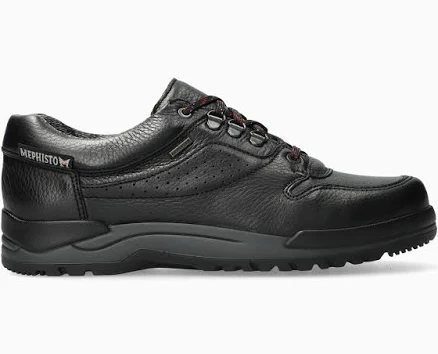
Mephisto
Men Mephisto Curt Mt SNEAKER
- leather, textile, rubber sole
- We found no PFAS statement from the brand
- Volatile organic compounds (VOC) off-gassing from adhesives
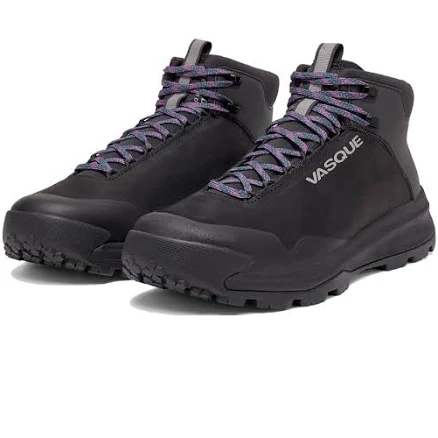
Vasque
Hiking shoes Vasque Women's Horizon Mid
- Leather/nubuck upper, synthetic/rubber sole, no coating disclosed
- We found no PFAS statement from the brand
- Azo dyes (leather/textile coloring)
4 hazards checked on this product. See all of them.
Find an alternative on AmazonMore waterproof boots grades
How we score, every product runs through the same public 0-100 rubric based on materials, coatings, brand disclosure, lab findings, and recalls. See the full methodology → Spotted a mistake? Report an error.