MWF SmartWater Refrigerator Water Filter
Lower concern; standard carbon filter with no known PFAS use.
Refrigerator filters use activated carbon and mechanical media, materials with lower PFAS concern. GE makes no PFAS claims; standard replacement filters pose minimal risk in this category.
We flunk more products than we pass. This one earned its grade. How we grade
Material
activated carbon, filter media
Brand disclosure
Brand is silent on PFAS
Lab data
No public lab test
You may also be interested in
Top-graded picks in the categories readers replace first, every one scored on the same rubric.

- polypropylene filter housing, carbon/sediment cartridge
- We found no PFAS statement from the brand
- Bacterial growth in spent cartridges
3 hazards checked on this product, all on its full breakdown.

Aquasure
Premier Series 75 GPD Under Sink Reverse Osmosis Water Filtration System
- RO membrane, carbon filters, stainless steel housing
- We found no PFAS statement from the brand
- Bacterial and microbial growth in housing and filters
4 hazards checked on this product, all on its full breakdown.

Avocado
Vegan Mattress
- organic cotton, natural latex, coconut coir, recycled steel coils
- The brand calls it PFAS-free, which we have not verified
- Heavy metals
2 hazards checked on this product, all on its full breakdown.
What MWF SmartWater Refrigerator Water Filter is made of, ingredients and materials
The MWF uses activated carbon as its primary filtration media, a porous form of carbon designed to adsorb chlorine, odor, and some organic compounds from tap water. Activated carbon itself does not leach harmful chemicals into water under normal refrigerator use conditions because it is not a reactive coating or glaze, but a solid adsorbent material. The filter housing is plastic; no known records document leaching of BPA, BPS, or phthalates from GE MWF housings during typical cold-water operation.
What’s concerning
No PFAS disclosure
No public statement from the brand about PFAS in this product.
Bacterial contamination (biofilm growth)
Activated carbon filters can harbor bacteria if not replaced regularly or if the filter housing remains moist and warm. GE does not publish maintenance studies specific to the MWF, so risk depends on user discipline and refrigerator temperature control.
Bypass or poor seal fit
If the filter is not correctly installed or the housing seal deteriorates, unfiltered water can bypass the carbon media entirely, negating the filter's protective function. This is a mechanical failure, not a chemical hazard, but common in field use.
Carbon dust or loose particles in water
New or poorly rinsed filters may release fine carbon particles into the water line. Flushing for 2-3 gallons after installation is standard practice to minimize ingestion of loose media.
What’s reassuring
Base material not linked to PFAS
The main material recorded for this product is not one associated with PFAS.
BPA & bisphenols
No recalls or published test results document leaching from MWF plastic housings under refrigerator operating conditions. Cold-water, low-pressure use minimizes exposure compared to hot-water filters, but housing material composition is not disclosed by GE.
Source, FDA ↗Microplastics
Activated carbon itself does not shed microplastics; however, any plastic components in the housing or end caps could theoretically degrade over years of repeated use. No field data or recalls document this for the MWF model.
Source, EPA ↗How is this PFAS grade calculated?
The brand's record and disclosure
GE Appliances does not publish detailed chemical safety data sheets specific to the MWF filter's housing composition or manufacturing disclosures. No major product recalls for leachate or contamination have been recorded for this filter model in public databases. The brand's silence on material sourcing and independent testing leaves verification of long-term leachate risk to third-party lab data, which are sparse for this specific SKU.
How it compares in its category
Refrigerator carbon filters (MWF, Whirlpool, third-party generics) operate under similar cold-water, low-pressure conditions that minimize leaching risk compared to hot-water applications. The MWF is OEM (original equipment manufacturer), which generally implies tighter quality control than aftermarket filters, though this does not guarantee disclosure or testing superiority. Most competitor filters use the same activated-carbon principle and face identical maintenance requirements; longevity and contaminant removal vary by carbon quality and saturation.
If you buy it
Replace the filter every 6 months or per the refrigerator's indicator light; saturation increases bacterial growth risk if left in service too long. Do not expose the filter to heat or allow it to dry completely between uses, as this can reduce carbon efficiency. Verify the filter is properly seated in the housing to prevent bypass. Flush the line with 2-3 gallons of water after installation to clear loose carbon particles.
What is not known about PFAS in this product?
- Basis
- Model estimate, 72% confidence, not a lab result
- Lab test
- None on record for this exact product
- Brand statement
- GE Appliances has made none
Formulations change between production runs, so check the current label. How we grade.
What are the PFAS-free alternatives to MWF SmartWater Refrigerator Water Filter?
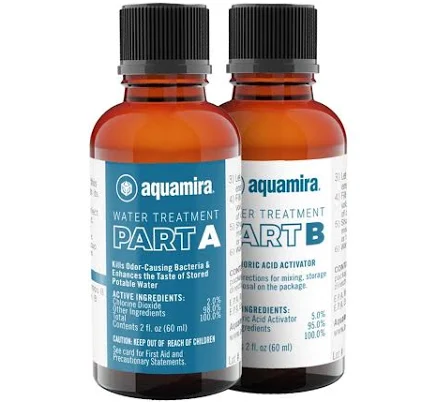
- glass bottles, sodium dichloroisocyanurate treatment chemical
- We found no PFAS statement from the brand
- Chemical overdose or misuse
5 hazards checked on this product, all on its full breakdown.

- Stainless steel housing and spigot
- We found no PFAS statement from the brand
- Bacterial growth and biofilm if filters not replaced
5 hazards checked on this product, all on its full breakdown.
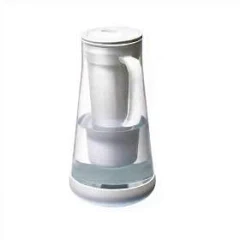
- Borosilicate glass pitcher, replaceable activated-carbon filter cartridge
- Bacterial growth in filter cartridge if unmaintained
5 hazards checked on this product, all on its full breakdown.
More water filters grades
How we score, every product runs through the same public 0-100 rubric based on materials, coatings, brand disclosure, lab findings, and recalls. See the full methodology → Spotted a mistake? Report an error.