RPWFE Refrigerator Water Filter
Lower concern; no known PFAS risk but GE provides no public disclosure.
RPWFE uses activated carbon filtration, a material with lower inherent PFAS concern. GE does not publicly disclose PFAS testing or composition details for this filter.
We flunk more products than we pass. This one earned its grade. How we grade
Material
Activated carbon filter media
Brand disclosure
Brand is silent on PFAS
Lab data
No public lab test
You may also be interested in
Top-graded picks in the categories readers replace first, every one scored on the same rubric.

- polypropylene filter housing, carbon/sediment cartridge
- We found no PFAS statement from the brand
- Bacterial growth in spent cartridges
3 hazards checked on this product, all on its full breakdown.

Aquasure
Premier Series 75 GPD Under Sink Reverse Osmosis Water Filtration System
- RO membrane, carbon filters, stainless steel housing
- We found no PFAS statement from the brand
- Bacterial and microbial growth in housing and filters
4 hazards checked on this product, all on its full breakdown.

Avocado
Vegan Mattress
- organic cotton, natural latex, coconut coir, recycled steel coils
- The brand calls it PFAS-free, which we have not verified
- Heavy metals
2 hazards checked on this product, all on its full breakdown.
What RPWFE Refrigerator Water Filter is made of, ingredients and materials
The RPWFE uses activated carbon as its primary filtration medium, a porous form of carbon that adsorbs dissolved compounds and chlorine from refrigerator water lines. Activated carbon does not leach into water under normal cold-water conditions because carbon is inert and chemically stable at household temperatures and pH. The filter cartridge housing is typically polypropylene or similar food-grade plastic; the concern here is not the housing material itself (which is not in contact with water long enough to leach appreciably) but whether the filter is properly maintained to prevent microbial colonization inside the cartridge.
What’s concerning
No PFAS disclosure
No public statement from the brand about PFAS in this product.
Bacterial growth in filter cartridge or housing if unmaintained
Water filters that exceed recommended replacement intervals or are exposed to warm temperatures can support microbial biofilm inside the cartridge. The RPWFE is cold-water only, which mitigates this risk, but stagnant water in the line or delayed replacement increases possibility. Following GE's 6-month replacement schedule addresses this.
Activated carbon degradation or particle release
Over time, physical or chemical damage to the carbon bed can result in fine carbon particles entering drinking water, though this is cosmetic rather than toxic. GE does not disclose post-use inspection data or confirm that filtration efficiency remains stable throughout the recommended 6-month lifespan.
Mold or algae in refrigerator water line (not filter-specific)
Filters do not prevent colonization upstream in the refrigerator's water supply lines or tank. If the appliance's internal water system is not cleaned periodically, mold or algae can grow independently of filter quality. This is an appliance maintenance issue, not a filter material hazard.
No third-party safety certification disclosed
The RPWFE is not independently certified to NSF or WQA standards, meaning contaminant reduction claims and material safety are not audited by external bodies. This is an information gap rather than a known hazard, but it limits transparency compared to certified alternatives.
What’s reassuring
Base material not linked to PFAS
The main material recorded for this product is not one associated with PFAS.
Housing and seal material leachables
The polypropylene or food-grade plastic housing does not leach BPA, phthalates, or other known contaminants under cold-water conditions and brief contact time. No recalls or test results indicating leachate from this specific filter housing are on record.
How is this PFAS grade calculated?
The brand's record and disclosure
GE Appliances does not publish detailed safety or material transparency reports for replacement filters on its public website. The RPWFE is a OEM (original equipment manufacturer) replacement part, meaning it meets GE's internal specifications but GE does not independently certify it to NSF or WQA standards (unlike many aftermarket filters). GE has no known recalls or contamination incidents associated with this filter model. The company provides replacement interval guidance (typically 6 months) but does not disclose activated carbon sourcing, manufacturing location, or third-party testing results.
How it compares in its category
Most refrigerator filters, including this one, rely on activated carbon and do not differ significantly in material hazard profile. Third-party certified filters (NSF Standard 42 or 53) offer independent verification of reduction claims and material safety; the RPWFE is not certified to these standards. OEM filters are generally lower cost and guaranteed compatible but lack transparent third-party audit. Compared to pitcher filters or under-sink systems, refrigerator filters present lower maintenance burden because they are cold-water only, reducing microbial and thermal stress.
If you buy it
Replace the filter every 6 months or after 300 gallons, whichever comes first, as recommended by GE; expired filters lose adsorption capacity and can harbor bacteria if water flow slows or stagnates. Do not attempt to clean or reuse the cartridge; activated carbon cannot be regenerated in a home setting. Flush the first 2-3 gallons from a newly installed filter before drinking, as small carbon fines may be present. Store unused filters in a cool, dry place; do not expose to heat or direct sunlight, as this does not degrade the filter but accelerates packaging deterioration.
What is not known about PFAS in this product?
- Basis
- Model estimate, 72% confidence, not a lab result
- Lab test
- None on record for this exact product
- Brand statement
- GE Appliances has made none
Formulations change between production runs, so check the current label. How we grade.
What are the PFAS-free alternatives to RPWFE Refrigerator Water Filter?
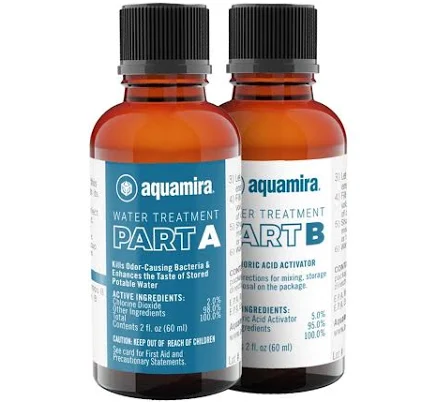
- glass bottles, sodium dichloroisocyanurate treatment chemical
- We found no PFAS statement from the brand
- Chemical overdose or misuse
5 hazards checked on this product, all on its full breakdown.

- Stainless steel housing and spigot
- We found no PFAS statement from the brand
- Bacterial growth and biofilm if filters not replaced
5 hazards checked on this product, all on its full breakdown.
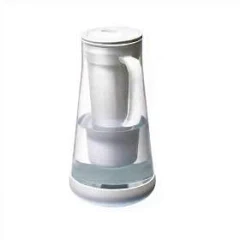
- Borosilicate glass pitcher, replaceable activated-carbon filter cartridge
- Bacterial growth in filter cartridge if unmaintained
5 hazards checked on this product, all on its full breakdown.
More water filters grades
How we score, every product runs through the same public 0-100 rubric based on materials, coatings, brand disclosure, lab findings, and recalls. See the full methodology → Spotted a mistake? Report an error.