XWF Refrigerator Water Filter
Skip until GE discloses filter composition and PFAS testing.
XWF filters use activated carbon, lower concern for PFAS. GE makes no PFAS claims and has not disclosed testing results or detailed material composition.
We flunk more products than we pass. This one earned its grade. How we grade
Material
Activated carbon filter media
Brand disclosure
Brand is silent on PFAS
Lab data
No public lab test
You may also be interested in
Top-graded picks in the categories readers replace first, every one scored on the same rubric.

- polypropylene filter housing, carbon/sediment cartridge
- We found no PFAS statement from the brand
- Bacterial growth in spent cartridges
3 hazards checked on this product, all on its full breakdown.

Aquasure
Premier Series 75 GPD Under Sink Reverse Osmosis Water Filtration System
- RO membrane, carbon filters, stainless steel housing
- We found no PFAS statement from the brand
- Bacterial and microbial growth in housing and filters
4 hazards checked on this product, all on its full breakdown.

Avocado
Vegan Mattress
- organic cotton, natural latex, coconut coir, recycled steel coils
- The brand calls it PFAS-free, which we have not verified
- Heavy metals
2 hazards checked on this product, all on its full breakdown.
What XWF Refrigerator Water Filter is made of, ingredients and materials
The XWF uses activated carbon as its primary filtration media, a material derived from carbonized organic sources (coconut shell, coal, or wood) that creates a porous structure to adsorb chlorine, taste, odor, and some volatile compounds. Activated carbon itself does not leach hazardous chemicals into water under normal refrigerator operating conditions. The filter housing and bypass components are typically plastic (polypropylene or similar), which carry minimal leaching risk at cold temperatures and low flow rates typical of refrigerator dispensers.
What’s concerning
No PFAS disclosure
No public statement from the brand about PFAS in this product.
Bacterial growth (biofouling) if filter not replaced or refrigerator line stagnates
Activated carbon media, when saturated or degraded past 6 months, can become a growth substrate for bacteria and mold, particularly if water sits in lines during non-use. This is a maintenance issue, not a manufacturing defect, but is not addressed in GE's public guidance.
Activated carbon integrity and dust release
Poor quality control during manufacture or shipping can result in loose carbon particles escaping into drinking water, though rare with major brands. GE does not publicly specify quality-control testing for dust or particulate contamination in the XWF.
Filter seal degradation over time
Rubber or silicone gaskets in the filter cartridge can harden or shrink after 6 months or longer storage, reducing the seal integrity and allowing unfiltered water to bypass. No specific XWF seal longevity data is published.
PFAS
Activated carbon filters, especially those sourced from biosolids or municipal waste, can contain residual PFAS or become vectors for PFAS if the carbon itself was contaminated during manufacture. GE's silence on carbon sourcing and PFAS testing is the key concern separating this filter from higher-transparency alternatives.
Source, ATSDR ↗What’s reassuring
Base material not linked to PFAS
The main material recorded for this product is not one associated with PFAS.
Plastic housing leachables (polypropylene, seals)
The filter housing and connection fittings are plastic polymers designed for cold water only. No recalls or documented leaching of BPA, phthalates, or other additives from XWF filters are on record; cold-temperature use minimizes leaching risk compared to hot water filters.
How is this PFAS grade calculated?
The brand's record and disclosure
GE Appliances does not publicly disclose the source of activated carbon, manufacturing origin, or whether independent testing for PFAS removal or containment has been conducted on the XWF model. This silence is notable because activated carbon products have become a focal point for PFAS migration concerns, especially if sourced from biosolids or sewage-derived materials. GE has not published third-party certifications (NSF, WQA) specific to PFAS reduction for this filter, distinguishing it from some competitor models that market PFAS-specific claims.
How it compares in its category
Most refrigerator filters rely on activated carbon and offer similar core performance for chlorine and taste removal. The XWF is a baseline model without published PFAS or heavy-metal reduction claims, placing it in the transparent-performance tier rather than the premium-claim tier. Competitor filters (e.g., Whirlpool, LG, third-party brands like Aqua-Pure) vary widely in disclosure, some publish NSF certifications, others remain silent. GE's lack of transparency is not unique but limits comparison for informed buyers prioritizing PFAS awareness.
If you buy it
Replace the filter every 6 months or 200 gallons (check the indicator light); do not extend use beyond this point, as degraded carbon loses adsorption capacity and can harbor bacterial growth if standing water accumulates. Flush the system for 5 to 10 seconds after installation and after any period of non-use (vacation). Store replacement filters in a cool, dry place; do not expose to direct sunlight or heat, as this can damage the filter seal. If you have health concerns about PFAS or prefer documented testing, contact GE directly for carbon sourcing and request third-party test reports before purchase.
What is not known about PFAS in this product?
- Basis
- Model estimate, 72% confidence, not a lab result
- Lab test
- None on record for this exact product
- Brand statement
- GE Appliances has made none
Formulations change between production runs, so check the current label. How we grade.
What are the PFAS-free alternatives to XWF Refrigerator Water Filter?
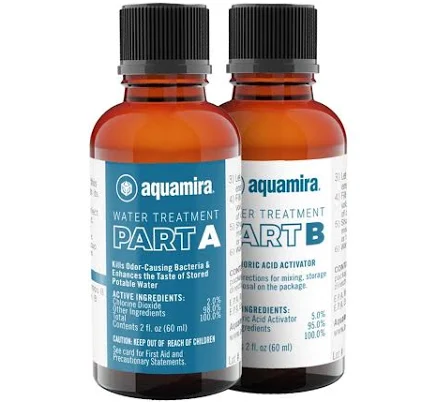
- glass bottles, sodium dichloroisocyanurate treatment chemical
- We found no PFAS statement from the brand
- Chemical overdose or misuse
5 hazards checked on this product, all on its full breakdown.
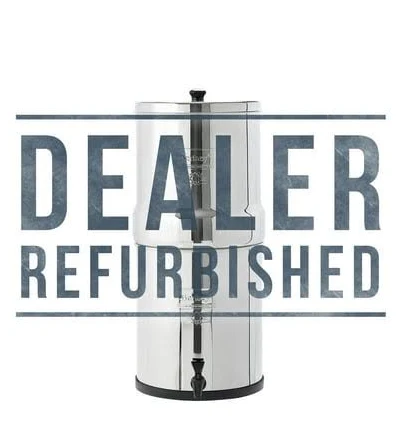
- Stainless steel housing and spigot
- We found no PFAS statement from the brand
- Bacterial growth and biofilm if filters not replaced
5 hazards checked on this product, all on its full breakdown.
- Borosilicate glass pitcher, replaceable activated-carbon filter cartridge
- Bacterial growth in filter cartridge if unmaintained
5 hazards checked on this product, all on its full breakdown.
More water filters grades
How we score, every product runs through the same public 0-100 rubric based on materials, coatings, brand disclosure, lab findings, and recalls. See the full methodology → Spotted a mistake? Report an error.