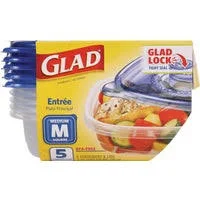
Glad Food Storage Containers
Lower concern. Food-contact plastics typically avoid PFAS; no evidence suggests otherwise.
Glad food storage containers are made from conventional plastics without applied coatings or water-repellent treatments. No PFAS disclosure, but no indicators of intentional PFAS use either.
We flunk more products than we pass. This one earned its grade. How we grade
Material
plastic (polypropylene or polyethylene)
Brand disclosure
Brand is silent on PFAS
Lab data
No public lab test
What Glad Food Storage Containers is made of, ingredients and materials
Glad Food Storage Containers are typically polypropylene (PP, #5) or polyethylene (PE, #2 or #4), both commodity plastics chosen for rigidity, cost, and food-contact approval in the US and EU. Polypropylene is inherently non-leaching at room temperature and mild heating; it has no documented BPA or phthalate formulations in food-contact grades. The material itself resists degradation during normal refrigerated or ambient storage, though repeated heating or exposure to fatty/acidic foods can accelerate wear over years.
What’s concerning
Category baseline
The starting point for this type of product, before anything specific to this product is counted.
No PFAS disclosure
No public statement from the brand about PFAS in this product.
Microplastic shedding when heated or aged
Repeated heating, freezing cycles, or long-term storage in sunlight can cause micro-cracking and particle shedding in polypropylene. Risk is low for refrigerated and ambient-temperature storage; microwave or stovetop use increases degradation rate.
Monomer or oligomer leaching at elevated temperature
Polypropylene can release trace monomers (propylene oligomers) when heated above 140°C or in prolonged contact with fatty foods. Standard use (cold or lukewarm food, room storage) presents negligible exposure; this is not a Glad-specific concern but a material limitation.
What’s reassuring
Base material not linked to PFAS
The main material recorded for this product is not one associated with PFAS.
BPA & bisphenols
Food-contact polypropylene and polyethylene used in Glad containers are not formulated with BPA or phthalates per FDA regulations and industry practice. No recalls or testing reports have identified these compounds in Glad products.
Source, FDA ↗Coating or ink degradation and migration
Glad containers typically carry printing or labeling on the exterior; no recalls or testing data indicate food-contact surface coatings or inks migrate into food. Interior surfaces are generally uncoated polypropylene.
Heavy metals
Food-grade polypropylene and polyethylene suppliers to major brands are subject to FDA compliance and material traceability; no established records of lead, cadmium, or antimony in Glad containers.
Source, FDA ↗The full breakdown
The brand's record and disclosure
Glad is owned by The Clorox Company and sells across major retailers with no publicly disclosed material certifications (e.g., BPA-free labeling on some SKUs but not all). No recalls for contamination, leaching, or chemical migration have been recorded for Glad containers in FDA or CPSC databases. The brand does not publish detailed chemical or compliance disclosures on its website; marketing emphasizes durability and freezer-safety rather than material transparency.
How it compares in its category
Polypropylene food containers are a category standard and carry similar hazard profiles to competitor brands (Rubbermaid, Pyrex plastic lines, store brands). Unlike some rigid plastics or older melamine products, PP does not contain antimony or formaldehyde resins. Performance and durability are comparable; Glad containers are mid-range in thickness and price, neither premium nor budget-line, reducing risk of cost-driven material substitution.
If you buy it
Avoid microwave use on high heat or extended cycles; polypropylene softens above 140°C (284°F) and may release monomers if melted. Do not store fatty or acidic foods for months; use within 1-2 years of purchase and replace visibly clouded, warped, or cracked containers. Hand wash or place on top rack of dishwasher; harsh detergents and high heat accelerate degradation. Store in cool, dark conditions away from direct sunlight to prevent brittleness.
What we don’t know
- Basis
- Model estimate, 72% confidence, not a lab result
- Lab test
- None on record for this exact product
- Brand statement
- Glad has made none
Formulations change between production runs, so check the current label. How we grade.
Better-graded alternatives in Lunch Boxes
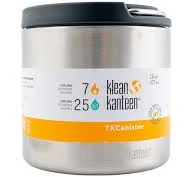
Klean Kanteen
Double Wall Vacuum Insulated Stainless Steel Food Canister Container with Leak Proof Lid
- Stainless steel body, silicone gasket lid seal
- The brand calls it PFAS-free, which we have not verified
- Silicone gasket degradation
3 hazards checked on this product. See all of them.
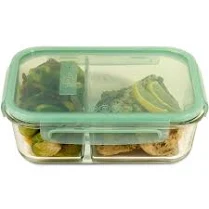
Snapware
Meal Box Glass
- borosilicate glass
- We found no PFAS statement from the brand
- Leaching from glass matrix or lid seals
2 hazards checked on this product. See all of them.
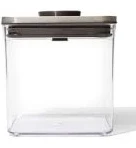
OXO
Steel Pop Big Square Short - 2.8 Qt/2.6 l
- Stainless steel container, no surface treatment
- Lid/gasket polymer leaching
3 hazards checked on this product. See all of them.
More lunch boxes grades
How we score, every product runs through the same public 0-100 rubric based on materials, coatings, brand disclosure, lab findings, and recalls. See the full methodology → Spotted a mistake? Report an error.