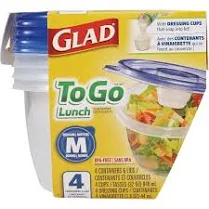
Glad GladWare To Go Lunch Food Storage Containers
Skip due to lack of PFAS transparency from Glad.
Glad does not publicly disclose PFAS use or absence in GladWare containers. Polypropylene is inherently lower concern, but manufacturer transparency on food-contact treatments is absent.
We flunk more products than we pass. This one earned its grade. How we grade
Material
polypropylene (PP) plastic
Brand disclosure
Brand is silent on PFAS
Lab data
No public lab test
What Glad GladWare To Go Lunch Food Storage is made of, ingredients and materials
Glad GladWare To Go containers are polypropylene (PP), a thermoplastic polymer rated as food-contact safe by the FDA when used within its temperature limits. Polypropylene does not naturally contain BPA, phthalates, or persistent intentional additives known to leach at room temperature. However, PP has a relatively low melting point (around 130-150°C / 266-302°F), meaning hot food, dishwasher cycles, or prolonged sun exposure can degrade the material and potentially release oligomers and processing residues. The plastic is inherently microplastic-shedding when scratched or aged.
What’s concerning
Category baseline
The starting point for this type of product, before anything specific to this product is counted.
No PFAS disclosure
No public statement from the brand about PFAS in this product.
Microplastics
PP degrades when exposed to heat, UV, or repeated mechanical stress. Scratches, dishwasher use, or microwave exposure accelerate breakdown; residual oligomers and plastic particles may enter food, particularly liquids or acidic contents.
Source, EPA ↗PFAS
Glad has not disclosed PFAS content or testing. Some food-contact plastics and lids incorporate PFAS for water or grease repellency; without transparency, presence cannot be ruled out. This is graded separately (70/100 PFAS score, skip tier due to lack of brand disclosure).
Source, ATSDR ↗Seal integrity degradation and bacterial growth if container is stored with residual moist
Snap-on lids can warp or lose seal pressure over time, especially if not dried fully between uses. Trapped moisture may promote mold or bacterial growth if containers are not cleaned thoroughly and air-dried before sealing.
What’s reassuring
Base material not linked to PFAS
The main material recorded for this product is not one associated with PFAS.
BPA & bisphenols
Polypropylene does not routinely contain BPA or phthalates. No documented evidence of these chemicals in GladWare containers; they are not part of PP chemistry or typical processing.
Source, FDA ↗PFAS
GladWare containers are not marketed as coated. Standard PP does not require intentional chemical additives for food contact; any minor processing residues are regulated by FDA. No specific chemical leaching incidents are on record for this product.
Source, ATSDR ↗The full breakdown
The brand's record and disclosure
Glad is owned by The Clorox Company and has not published specific certifications (BPA-free statements, third-party testing, or chemical transparency reports) for this product line in publicly available sources. The brand's silence on PFAS composition is notable, as many food-contact polymers and coatings can contain legacy PFAS for water and grease resistance. No major recalls or documented chemical contamination issues tied to GladWare containers have been recorded, but the absence of disclosure does not indicate testing or safety assurance beyond FDA baseline requirements.
How it compares in its category
PP food containers occupy the middle range of the plastic food-storage category. Unlike polycarbonate (which contains BPA), PP avoids that specific hazard; unlike glass, it avoids breakage but risks microplastic shedding with age. Competitors such as Pyrex (glass) and some Rubbermaid lines offer third-party certifications or explicit PFAS/BPA-free claims, providing more transparency. GladWare's pricing advantage comes partly from lower regulatory burden and simpler material sourcing, which correlates with less public disclosure.
If you buy it
Do not use GladWare containers in the microwave, oven, or dishwasher; hand-wash only in cool to warm water. Store cold and room-temperature foods only; hot foods should cool before storage. Replace containers every 1-2 years or sooner if visibly scratched, clouded, or warped, as degradation increases microplastic and oligomer shedding. Do not stack heavy items on top, as pressure can compromise seals and accelerate wear.
What we don’t know
- Basis
- Model estimate, 72% confidence, not a lab result
- Lab test
- None on record for this exact product
- Brand statement
- Glad has made none
Formulations change between production runs, so check the current label. How we grade.
Better-graded alternatives in Lunch Boxes
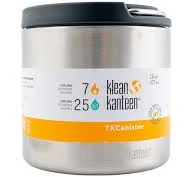
Klean Kanteen
Double Wall Vacuum Insulated Stainless Steel Food Canister Container with Leak Proof Lid
- Stainless steel body, silicone gasket lid seal
- The brand calls it PFAS-free, which we have not verified
- Silicone gasket degradation
3 hazards checked on this product. See all of them.
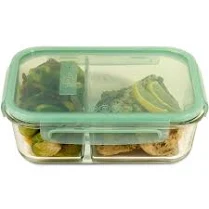
Snapware
Meal Box Glass
- borosilicate glass
- We found no PFAS statement from the brand
- Leaching from glass matrix or lid seals
2 hazards checked on this product. See all of them.
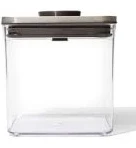
OXO
Steel Pop Big Square Short - 2.8 Qt/2.6 l
- Stainless steel container, no surface treatment
- Lid/gasket polymer leaching
3 hazards checked on this product. See all of them.
More lunch boxes grades
How we score, every product runs through the same public 0-100 rubric based on materials, coatings, brand disclosure, lab findings, and recalls. See the full methodology → Spotted a mistake? Report an error.