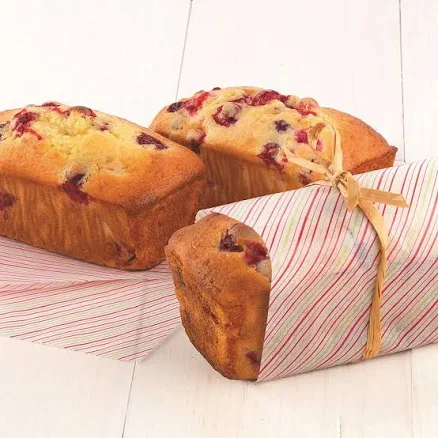
Good Cook · Parchment Paper & Baking Liners
Bradshaw International Good Cook Sweet Creations Paper Sheets
Avoid; grease-resistant food paper likely contains PFAS, brand silent on composition.
Good Cook's Sweet Creations parchment-style paper sheets resist grease and moisture, which typically requires PFAS-based coating in food packaging. Bradshaw International makes no public disclosure of PFAS use or absence.
The better-graded swap
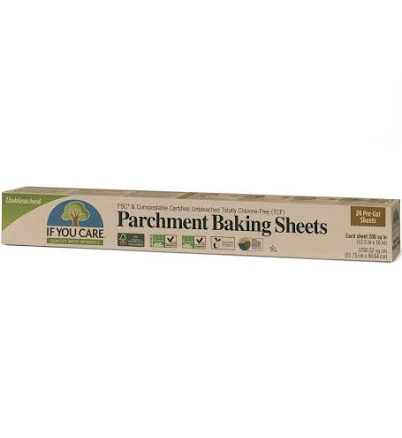
If You Care
If You Care Parchment Baking Sheets
90/100 safety
Same rubric that flunked this product. The swap earned Excellent.
Still want this one anyway? Check the price on Amazon. We’d swap it.
Material
Bleached paper with grease-resistant coating (unspecified)
Brand disclosure
Brand is silent on PFAS
Lab data
No public lab test
You may also be interested in
Top-graded picks in the categories readers replace first, every one scored on the same rubric.

- polypropylene filter housing, carbon/sediment cartridge
- We found no PFAS statement from the brand
- Bacterial growth in spent cartridges
3 hazards checked on this product, all on its full breakdown.

Aquasure
Premier Series 75 GPD Under Sink Reverse Osmosis Water Filtration System
- RO membrane, carbon filters, stainless steel housing
- We found no PFAS statement from the brand
- Bacterial and microbial growth in housing and filters
4 hazards checked on this product, all on its full breakdown.

Avocado
Vegan Mattress
- organic cotton, natural latex, coconut coir, recycled steel coils
- The brand calls it PFAS-free, which we have not verified
- Heavy metals
2 hazards checked on this product, all on its full breakdown.
What Bradshaw International Good Paper Sheets is made of, ingredients and materials
Good Cook Sweet Creations sheets are bleached paper with an unspecified grease-resistant coating. The coating is the critical unknown, grease-resistance in food contact paper is typically achieved via fluorinated compounds (PFAS family), which don't break down in the body or environment. Without ingredient transparency from the brand, you cannot verify whether this product uses legacy PFAS, newer PFAS alternatives (which carry similar persistence concerns), or non-fluorinated coatings.
What’s concerning
Category baseline
The starting point for this type of product, before anything specific to this product is counted.
No PFAS disclosure
No public statement from the brand about PFAS in this product.
Waterproof / stain-resistant treatment
Water-repellent coating treatments have historically used PFAS.
PFAS
Unspecified 'grease-resistant' coating on food contact paper is industry-standard code for fluorinated compounds. No manufacturer statement rules this out; silence under scrutiny suggests deliberate avoidance of disclosure.
Source, ATSDR ↗Coating integrity and microparticle shedding
All coated papers degrade with heat and repeated use. Without coating chemistry disclosed, you cannot assess brittleness, flaking risk, or residue transfer to food. Bleached papers can shed fibers if coating fails.
Thermal degradation by-products
Unknown coating composition means unknown breakdown products above typical baking temperatures. If coating contains PFAS, heat accelerates volatilization and decomposition into potentially more toxic metabolites.
Regulatory evasion and global supply chain opacity
Many parchment papers are imported or coated overseas where fluorinated chemical regulation is weaker. Bradshaw International's silence on sourcing and composition testing is consistent with products intentionally sidestepping disclosure to avoid US/EU PFAS restrictions.
What’s reassuring
Bleaching residues (dioxins, chlorine compounds)
Modern paper bleaching is heavily regulated; no reported contamination in US market parchment. Risk is low for established manufacturers, but opaque supply chains cannot be verified.
How is this PFAS grade calculated?
The brand's record and disclosure
Good Cook (owned by Bradshaw International) has not publicly disclosed coating chemistry, PFAS content, or third-party testing results for this product line. The brand has no published PFAS policy or commitment to PFAS-free formulations. This silence is notable given that competitors (notably Kirkland, If You Care) now market PFAS-free or certified uncoated parchment alternatives, signaling that disclosure-avoidant positioning is increasingly a red flag in this category.
How it compares in its category
Parchment paper sits on a spectrum, uncoated bleached paper (PFAS-free, lower grease resistance), silicone-coated paper (non-PFAS but requires verification), and fluorinated-coated paper (presumed here, standard but now seen as outdated). Good Cook's refusal to specify places it in the lowest transparency tier. Many grocery and specialty brands now offer PFAS-free certified options at similar price points, making this product's opacity a competitive liability.
If you buy it
Do not use above 420°F (coating breakdown risk unknown without specification). Replace sheets after 8-10 uses or if coating visibly peels, as degraded coating may release particles. Store in cool, dry conditions away from oils (coating integrity can degrade). Better option, switch to uncoated parchment or silicone-lined sheets with transparent manufacturer safety data.
What is not known about PFAS in this product?
- Basis
- Model estimate, 45% confidence, not a lab result
- Lab test
- None on record for this exact product
- Brand statement
- Good Cook has made none
Formulations change between production runs, so check the current label. How we grade.
What are the PFAS-free alternatives to Bradshaw International Good Cook Sweet Creations Paper Sheets?
- silicone-coated parchment paper
- The brand calls it PFAS-free, which we have not verified
- Paper degradation and particulate shedding
- unbleached paper with silicone coating
- The brand calls it PFAS-free, which we have not verified
- Silicone coating degradation at high heat
- bleached paper with silicone coating
- The brand calls it PFAS-free, which we have not verified
- Paper degradation and fragmentation
More parchment paper & baking liners grades
How we score, every product runs through the same public 0-100 rubric based on materials, coatings, brand disclosure, lab findings, and recalls. See the full methodology → Spotted a mistake? Report an error.