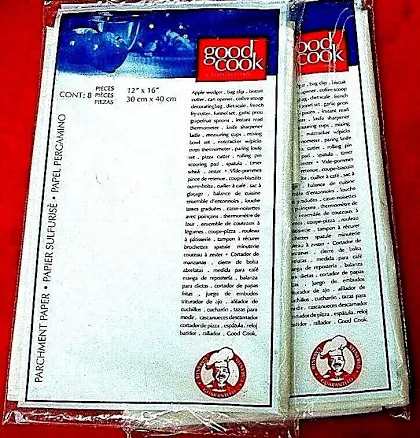
Good Cook · Parchment Paper & Baking Liners
Good Cook Parchment Paper Baking Sheets 12 x 16, Set of 2, 16pc
Silicone-coated parchment typically poses lower PFAS risk, but Good Cook won't disclose specifics.
These baking sheets use silicone-based coatings rather than traditional Teflon-family coating, which means lower inherent PFAS risk than nonstick cookware. Good Cook stays silent on coating details or PFAS status, so confirmation remains unavailable.
The better-graded swap
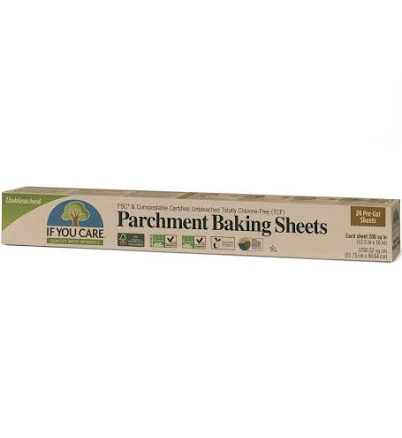
If You Care
If You Care Parchment Baking Sheets
90/100 safety
Same rubric that flunked this product. The swap earned Excellent.
Still want this one anyway? Check the price on Amazon. We’d swap it.
Material
silicone-coated paper
Brand disclosure
Brand is silent on PFAS
Lab data
No public lab test
You may also be interested in
Top-graded picks in the categories readers replace first, every one scored on the same rubric.

- polypropylene filter housing, carbon/sediment cartridge
- We found no PFAS statement from the brand
- Bacterial growth in spent cartridges
3 hazards checked on this product, all on its full breakdown.

Aquasure
Premier Series 75 GPD Under Sink Reverse Osmosis Water Filtration System
- RO membrane, carbon filters, stainless steel housing
- We found no PFAS statement from the brand
- Bacterial and microbial growth in housing and filters
4 hazards checked on this product, all on its full breakdown.

Avocado
Vegan Mattress
- organic cotton, natural latex, coconut coir, recycled steel coils
- The brand calls it PFAS-free, which we have not verified
- Heavy metals
2 hazards checked on this product, all on its full breakdown.
What Good Cook Parchment Paper Baking Sheets 2, is made of, ingredients and materials
Good Cook parchment sheets are paper substrates coated with food-grade silicone. Silicone is a synthetic polymer that does not leach reactive chemicals the way some fluorinated coatings do, making it a lower-risk alternative to Teflon-type coating (Teflon). The sheets are designed for single-use or light reuse in the oven up to standard baking temperatures (typically 420-450°F). Unlike bleached parchment of past decades, modern silicone-coated versions avoid the dioxin concerns of chlorine-based processing.
What’s concerning
Category baseline
The starting point for this type of product, before anything specific to this product is counted.
No PFAS disclosure
No public statement from the brand about PFAS in this product.
Waterproof / stain-resistant treatment
Water-repellent coating treatments have historically used PFAS.
Silicone coating degradation at high heat
If used above manufacturer temperature limits (typically 450°F), silicone can break down and shed into food; no specific incidents reported for Good Cook brand, but risk is inherent to the material class.
Microplastics
Repeated use and thermal stress can cause microscopic silicone flakes to enter food; risk is low at normal baking temperatures but increases with reuse and high heat.
Source, EPA ↗PFAS
Some silicone coatings historically contained trace PFAS; Good Cook's refusal to disclose composition means non-detect cannot be assumed, though silicone-coated parchment is generally lower-risk than Teflon-type coating alternatives.
Source, ATSDR ↗What’s reassuring
Paper fiber contaminants (recycled content)
If sheets contain recycled paper, there is a theoretical risk of ink or adhesive residues; Good Cook does not specify virgin vs. recycled content, so no documented issue to report.
Bleaching agents and processing residues
Modern parchment typically uses less concerning bleaching methods than older chlorine-based processes; no hazard of chlorine residues on record for Good Cook product specifically, but brand provides no process documentation.
How is this PFAS grade calculated?
The brand's record and disclosure
Good Cook, owned by Ekco Products, does not publicly disclose detailed ingredient lists or PFAS testing data for this product line. The brand has no documented recalls related to parchment sheets and no known certifications (e.g., third-party safety testing) specific to this item. The silence on PFAS composition is consistent with many mid-tier cookware manufacturers and reflects a broader industry lack of transparency rather than a known violation.
How it compares in its category
Silicone-coated parchment is the industry standard and presents lower concern than wax-coated alternatives (which may shed wax flakes into food at higher heat) or uncoated paper. Premium brands like If You Care publish PFAS test results showing non-detect; Good Cook does not. This product occupies the middle ground, functional and material-safe but without third-party verification of PFAS absence.
If you buy it
Use sheets at or below 450°F to avoid silicone degradation and potential flaking. Replace sheets if the coating cracks, peels, or appears worn; degraded silicone can release particles into food. Store dry to prevent mold growth in the paper fibers. Do not reuse heavily charred or damaged sheets. A 16-piece set should last many months of regular home baking before replacement is needed.
What is not known about PFAS in this product?
- Basis
- Model estimate, 55% confidence, not a lab result
- Lab test
- None on record for this exact product
- Brand statement
- Good Cook has made none
Formulations change between production runs, so check the current label. How we grade.
What are the PFAS-free alternatives to Good Cook Parchment Paper Baking Sheets 12 x 16, Set of 2, 16pc?
- silicone-coated parchment paper
- The brand calls it PFAS-free, which we have not verified
- Paper degradation and particulate shedding
- unbleached paper with silicone coating
- The brand calls it PFAS-free, which we have not verified
- Silicone coating degradation at high heat
- bleached paper with silicone coating
- The brand calls it PFAS-free, which we have not verified
- Paper degradation and fragmentation
More parchment paper & baking liners grades
How we score, every product runs through the same public 0-100 rubric based on materials, coatings, brand disclosure, lab findings, and recalls. See the full methodology → Spotted a mistake? Report an error.