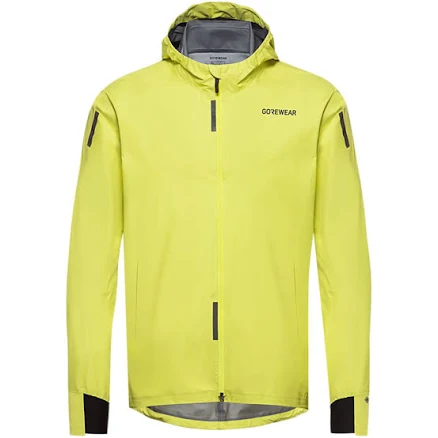
GOREWEAR Concurve GORE-TEX Jacket Men's
GORE-TEX contains Teflon-family coating; Gore discloses no PFAS policy publicly.
GORE-TEX jackets use Teflon-type coating-based waterproof membranes, which are Teflon-family coating inherently linked to PFAS chemistry. Gore does not publicly disclose PFAS phase-out plans or lab testing for this product.
Still want this one anyway? Check the price on Amazon. We’d swap it.
Material
GORE-TEX membrane (polytetrafluoroethylene-based)
Brand disclosure
Brand is silent on PFAS
Lab data
No public lab test
You may also be interested in
Top-graded picks in the categories readers replace first, every one scored on the same rubric.

- polypropylene filter housing, carbon/sediment cartridge
- We found no PFAS statement from the brand
- Bacterial growth in spent cartridges
3 hazards checked on this product, all on its full breakdown.

Aquasure
Premier Series 75 GPD Under Sink Reverse Osmosis Water Filtration System
- RO membrane, carbon filters, stainless steel housing
- We found no PFAS statement from the brand
- Bacterial and microbial growth in housing and filters
4 hazards checked on this product, all on its full breakdown.

Avocado
Vegan Mattress
- organic cotton, natural latex, coconut coir, recycled steel coils
- The brand calls it PFAS-free, which we have not verified
- Heavy metals
2 hazards checked on this product, all on its full breakdown.
What GOREWEAR Concurve GORE-TEX Jacket Men's is made of, ingredients and materials
The Concurve jacket's core is GORE-TEX, a microporous polytetrafluoroethylene (Teflon-type coating) membrane bonded to nylon or polyester shells. This membrane is what makes the fabric waterproof and breathable. Teflon-type coating itself is chemically inert once fully cured, but the Teflon-family coating used in the membrane and its manufacturing process are persistent organic pollutants (PFAS). The membrane does not degrade or shed microplastics under normal wear, unlike some coated fabrics.
What’s concerning
Waterproof / stain-resistant treatment
Water-repellent coating treatments have historically used PFAS.
Category baseline
The starting point for this type of product, before anything specific to this product is counted.
No PFAS disclosure
No public statement from the brand about PFAS in this product.
Formaldehyde / VOCs
Nylon and polyester shell fabrics may contain formaldehyde-based dyes or wrinkle-resist finishes. GORE-TEX products do not routinely disclose these additives; testing would be required to confirm absence.
Source, ATSDR ↗Azo dyes (color fastness)
The jacket's outer shell uses synthetic dyes for color; restricted azo dyes are banned in EU textiles but non-restricted azo compounds may still be used. No OEKO-TEX or bluesign certification limits this risk.
Antimony in polyester
If the outer shell is polyester (likely in this performance line), antimony trioxide is a common polymerization catalyst. Levels in finished garments are typically low, but skin contact over years presents minor cumulative exposure.
What’s reassuring
Microplastics
GORE-TEX membrane itself does not shed; nylon or polyester shells can release fibers with washing and wear, but this is common to all synthetic jackets and not specific to Gore products.
Source, EPA ↗Coating or laminate leaching
GORE-TEX is bonded, not coated with a separate layer, so adhesive leaching is unlikely. The Teflon-type coating membrane is chemically stable and does not leach under normal conditions once fully cured.
How is this PFAS grade calculated?
The brand's record and disclosure
Gore has not published a comprehensive PFAS reduction roadmap or phase-out commitment despite decades of PFAS use in GORE-TEX. The company acknowledges Teflon-type coating is in the product but does not disclose which PFAS are used in manufacturing or present in finished goods. No independent certifications (like bluesign or OEKO-TEX) are claimed for this line. Gore's silence on PFAS policy contrasts with some competitors who have committed to PFAS alternatives by 2025-2030.
How it compares in its category
GORE-TEX remains the performance standard for waterproof-breathable jackets and carries premium pricing. Non-PFAS alternatives (eVent, Polartec NeoShell, some PU coatings) exist but are less widely adopted and often have shorter durability claims. Most high-performance outdoor jackets still rely on PFAS-containing membranes or coatings. This jacket is typical of the premium segment in that PFAS exposure is baked into the category; switching to a budget synthetic jacket may lower PFAS but introduce other microplastic or coating-degradation risks.
If you buy it
Wash infrequently and use cool water with mild detergent to minimize membrane stress and any potential leaching of residual fluorochemicals. Avoid commercial dry-cleaning and high-heat drying, which can degrade Teflon-type coating bonds. The jacket is durable (10+ years of moderate use typical); replace only when waterproofing fails visibly, not on a schedule. Do not machine-wash above 30 degrees Celsius and avoid fabric softeners, which can clog the membrane pores.
What is not known about PFAS in this product?
- Basis
- Model estimate, 35% confidence, not a lab result
- Lab test
- None on record for this exact product
- Brand statement
- Gore has made none
Formulations change between production runs, so check the current label. How we grade.
What are the PFAS-free alternatives to GOREWEAR Concurve GORE-TEX Jacket Men's?
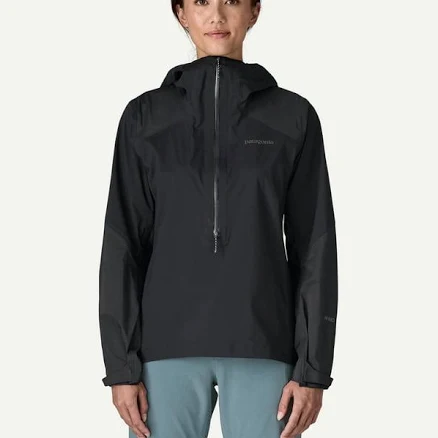
- polyester shell with water-repellent coating finish
- The brand calls it PFAS-free, which we have not verified
- Azo dyes and color fastness
4 hazards checked on this product, all on its full breakdown.
Find an alternative on Amazon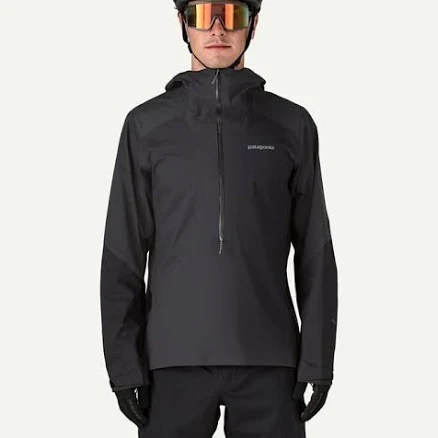
- nylon/polyester with water-repellent coating water treatment
- The brand calls it PFAS-free, which we have not verified
- PFAS
3 hazards checked on this product, all on its full breakdown.
Find an alternative on Amazon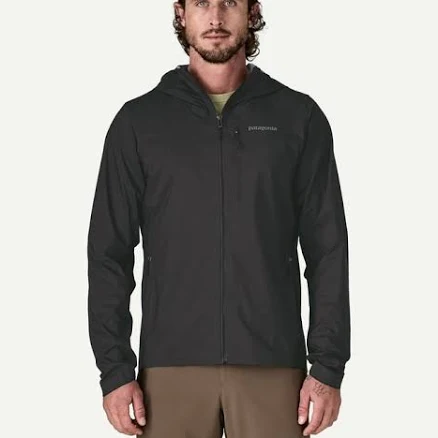
- Nylon with water-repellent coating water-repellent coating finish
- The brand calls it PFAS-free, which we have not verified
- water-repellent coating chemistry opacity (fluorinated vs. non-fluorinated)
3 hazards checked on this product, all on its full breakdown.
Find an alternative on AmazonMore cycling rain jackets grades
How we score, every product runs through the same public 0-100 rubric based on materials, coatings, brand disclosure, lab findings, and recalls. See the full methodology → Spotted a mistake? Report an error.