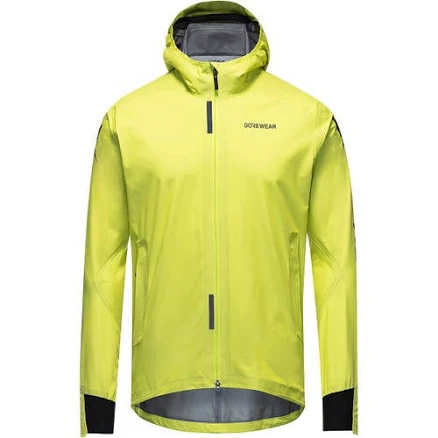
GOREWEAR Concurve Gtx LE4 Jacket Men's
GORE-TEX likely contains PFAS; brand discloses nothing about alternatives.
GORE-TEX jackets traditionally use Teflon-family coating waterproofing, typically PFAS-based. Gore makes no public PFAS disclosures for this product line. Concern level remains unresolved without brand clarification.
Still want this one anyway? Check the price on Amazon. We’d swap it.
Material
GORE-TEX fabric with water-repellent coating treatment
Brand disclosure
Brand is silent on PFAS
Lab data
No public lab test
You may also be interested in
Top-graded picks in the categories readers replace first, every one scored on the same rubric.

- polypropylene filter housing, carbon/sediment cartridge
- We found no PFAS statement from the brand
- Bacterial growth in spent cartridges
3 hazards checked on this product, all on its full breakdown.

Aquasure
Premier Series 75 GPD Under Sink Reverse Osmosis Water Filtration System
- RO membrane, carbon filters, stainless steel housing
- We found no PFAS statement from the brand
- Bacterial and microbial growth in housing and filters
4 hazards checked on this product, all on its full breakdown.

Avocado
Vegan Mattress
- organic cotton, natural latex, coconut coir, recycled steel coils
- The brand calls it PFAS-free, which we have not verified
- Heavy metals
2 hazards checked on this product, all on its full breakdown.
What GOREWEAR Concurve Gtx LE4 Jacket Men's is made of, ingredients and materials
The Concurve GTX LE4 uses GORE-TEX laminate fabric, which bonds a microporous polytetrafluoroethylene (Teflon-type coating) membrane to outer and inner textile shells. The outer layer is treated with a water-repellent coating (water-repellent coating) finish to shed water without soaking the fabric. GORE-TEX's water-blocking properties historically rely on fluorochemical-based water-repellent coating coatings, which introduce PFAS into the finished garment. The laminate construction also means the jacket has minimal breathability loss compared to solid rubber, but the chemical treatments are permanent once applied during manufacturing.
What’s concerning
Waterproof / stain-resistant treatment
Water-repellent coating treatments have historically used PFAS.
Category baseline
The starting point for this type of product, before anything specific to this product is counted.
No PFAS disclosure
No public statement from the brand about PFAS in this product.
water-repellent coating degradation over time
GORE-TEX water-repellent coating coatings degrade with repeated laundering and UV exposure. As the fluorochemical layer wears, water absorption increases and the jacket loses function; this is well-documented in outdoor gear forums and manufacturer care guides. Degradation does not necessarily release PFAS into the wearer's skin, but it may increase environmental release during disposal or washing.
Azo dyes and colorant allergens
The outer shell fabric may be dyed with azo dyes, particularly if the jacket is dark-colored or saturated. Azo dyes can release aromatic amines under perspiration or friction; however, Gore does not disclose dye chemistry. No specific allergen warnings or recalls for this model are on record. Risk is typical for outdoor apparel and depends on individual sensitivity.
Microplastic shedding from synthetic shells
The outer nylon or polyester shell sheds microscopic fibers during normal wear and washing, as documented in general laundry studies. GORE-TEX garments are denser and shed less than loose knits, but shedding still occurs. This is an environmental concern more than a direct wearer hazard, but microplastic ingestion from laundering is a known pathway.
What’s reassuring
Formaldehyde / VOCs
GORE-TEX products do not typically require formaldehyde-based wrinkle-resistant or anti-microbial finishes because the laminate structure itself prevents mildew. No recalls or disclosed formaldehyde content have been reported for GORE-TEX apparel. The risk is considered minimal for this product category.
Source, ATSDR ↗How is this PFAS grade calculated?
The brand's record and disclosure
Gore Fabrics does not publicly disclose PFAS content, alternatives research, or phase-out timelines for its consumer product lines. The company has not published statements about fluorochemical water-repellent coating use or PFAS migration risk. Gore maintains ISO 14001 environmental certification but does not extend this transparency to PFAS in marketed apparel. This silence contrasts with competitors like Patagonia and some outdoor brands that have published PFAS reduction goals or switched to non-fluorinated water-repellent coating systems.
How it compares in its category
Premium waterproof-breathable jackets typically rely on GORE-TEX or competing membranes (eVent, Neoshell), all of which historically use fluorochemical water-repellent coating. Non-fluorinated alternatives (wax-based, silicone-based, or polyurethane water-repellent coating) exist but are less durable and appear more in budget or specialty eco-focused brands. The Concurve LE4 sits at the high end of the category and carries the associated PFAS exposure inherent to GORE-TEX products. If PFAS exposure is a primary concern, membrane-based jackets are generally higher-risk than untreated synthetic shells or wool alternatives.
If you buy it
Launder in cold water with non-detergent soap and air-dry to minimize water-repellent coating degradation and reduce any potential leaching during hot-wash cycles. Avoid dry cleaning, which can accelerate coating breakdown. Replace the jacket once water no longer beads on the outer surface, as water-repellent coating failure indicates the protective layer is exhausted and further wear poses no additional PFAS risk from degradation. Store in a cool, dry place away from direct sunlight to extend water-repellent coating life. Do not tumble-dry, as heat weakens fluorochemical bonds.
What is not known about PFAS in this product?
- Basis
- Model estimate, 45% confidence, not a lab result
- Lab test
- None on record for this exact product
- Brand statement
- Gore has made none
Formulations change between production runs, so check the current label. How we grade.
What are the PFAS-free alternatives to GOREWEAR Concurve Gtx LE4 Jacket Men's?
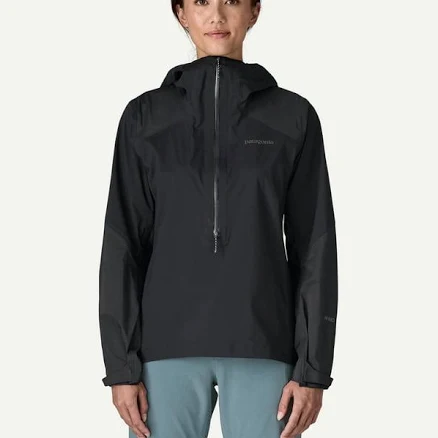
- polyester shell with water-repellent coating finish
- The brand calls it PFAS-free, which we have not verified
- Azo dyes and color fastness
4 hazards checked on this product, all on its full breakdown.
Find an alternative on Amazon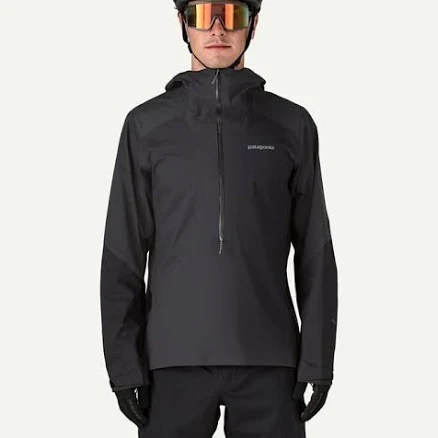
- nylon/polyester with water-repellent coating water treatment
- The brand calls it PFAS-free, which we have not verified
- PFAS
3 hazards checked on this product, all on its full breakdown.
Find an alternative on Amazon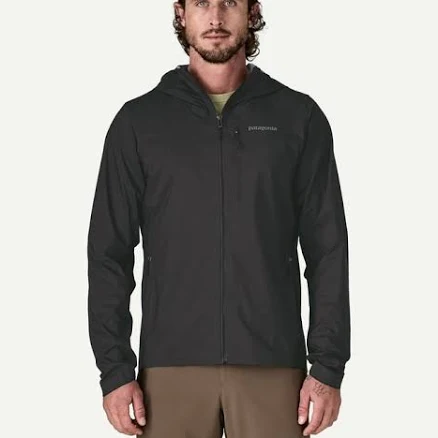
- Nylon with water-repellent coating water-repellent coating finish
- The brand calls it PFAS-free, which we have not verified
- water-repellent coating chemistry opacity (fluorinated vs. non-fluorinated)
3 hazards checked on this product, all on its full breakdown.
Find an alternative on AmazonMore cycling rain jackets grades
How we score, every product runs through the same public 0-100 rubric based on materials, coatings, brand disclosure, lab findings, and recalls. See the full methodology → Spotted a mistake? Report an error.