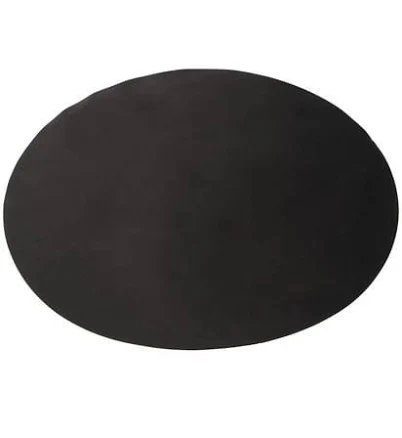
GRILL MASTER · Grill & Oven Mats
Grill Master 40cm Round Nonstick Ptfe BBQ Grill Mat
This grill mat uses Teflon-type coating, a Teflon-family coating in the PFAS family.
Material as recorded is Teflon-type coating nonstick coating. The brand has no PFAS statement on record. No certifications or lab data on file.
Still want this one anyway? Check the price on Amazon. We’d swap it.
Material
Teflon-type coating (polytetrafluoroethylene) nonstick coating
Brand disclosure
Brand is silent on PFAS
Lab data
No public lab test
You may also be interested in
Top-graded picks in the categories readers replace first, every one scored on the same rubric.

- polypropylene filter housing, carbon/sediment cartridge
- We found no PFAS statement from the brand
- Bacterial growth in spent cartridges
3 hazards checked on this product, all on its full breakdown.

Aquasure
Premier Series 75 GPD Under Sink Reverse Osmosis Water Filtration System
- RO membrane, carbon filters, stainless steel housing
- We found no PFAS statement from the brand
- Bacterial and microbial growth in housing and filters
4 hazards checked on this product, all on its full breakdown.

Avocado
Vegan Mattress
- organic cotton, natural latex, coconut coir, recycled steel coils
- The brand calls it PFAS-free, which we have not verified
- Heavy metals
2 hazards checked on this product, all on its full breakdown.
What Grill Master 40cm Round BBQ Grill Mat is made of, ingredients and materials
This mat is a Teflon-type coating (Teflon-type) nonstick coating bonded to a fiberglass or woven substrate. Teflon-type coating itself is stable below 500°F, but degrades at higher temperatures to release toxic fumes (Teflon-type coating fume inhalation illness). BBQ grills routinely exceed 500°F, especially direct heat zones, making this product's safe operating window narrow and difficult to monitor in real use.
What’s concerning
Category baseline
The starting point for this type of product, before anything specific to this product is counted.
No PFAS disclosure
No public statement from the brand about PFAS in this product.
PTFE / Teflon confirmed
Uses Teflon-type coating (Teflon), a Teflon-family coating in the PFAS family.
Teflon-type coating thermal decomposition and fume inhalation risk
Above 500°F, Teflon-type coating releases perfluorooctanoic acid (PFOA) precursors and other fluorinated gases. BBQ environments routinely exceed this threshold, especially in direct flame or high-heat zones, creating inhalation risk (Teflon-type coating fume inhalation illness presents as flu-like symptoms).
Coating degradation and peeling into food
Repeated thermal cycling and abrasion from grill cleaning tools can cause the Teflon-type coating layer to peel or flake. No data on this brand's coating durability, but fiberglass-backed Teflon-type coating mats are known to show wear within 1-2 seasons.
Substrate leachables from fiberglass backing
Fiberglass substrates can release silica fibers or glass fragments if damaged or worn through. Grill Mat quality control and substrate material composition are not disclosed by Grill Master.
Heat-induced material breakdown and off-gassing
Teflon-type coating and typical fiberglass-resin substrates can off-gas volatile organic compounds (VOCs) at sustained high temperatures. Consumer reports of chemical smell from grill mats exist, though causation varies by mat brand and substrate formulation.
Lack of temperature safety labeling and consumer misuse
Grill Master does not prominently warn of maximum safe operating temperature or thermal degradation risk. Users may assume the mat is suitable for all BBQ conditions, increasing likelihood of exceedance and fume exposure.
How is this PFAS grade calculated?
The brand's record and disclosure
Grill Master does not publicly disclose maximum safe temperature specifications, coating degradation timelines, or Teflon-type coating degradation risk on product pages or documentation reviewed. No independent certifications (e.g., FDA, NSF) for temperature safety are evident. The brand's silence on Teflon-family coating risks and lack of hazard warnings reflect a common gap in grill mat labeling standards.
How it compares in its category
Teflon-type coating grill mats are one of the cheaper nonstick options but carry the highest fume risk in high-heat cookware. Silicone mats rated to 600°F+ and fiberglass mats without Teflon-family coating coatings are available at similar or slightly higher cost with no thermal degradation hazard. Ceramic or cast iron alternatives eliminate chemical concerns entirely.
If you buy it
Never use above 500°F; keep grill temperature well below that if using this mat. Inspect monthly for discoloration, peeling, or damage to the coating; discard immediately if damaged. Do not place mat in direct flame or over hotspots; use only for indirect or low-heat zones. Replace every 1-2 seasons as Teflon-type coating can degrade gradually with repeated heating cycles.
What is not known about PFAS in this product?
- Basis
- Model estimate, 78% confidence, not a lab result
- Lab test
- None on record for this exact product
- Brand statement
- GRILL MASTER has made none
Formulations change between production runs, so check the current label. How we grade.
What are the PFAS-free alternatives to Grill Master 40cm Round Nonstick Ptfe BBQ Grill Mat?
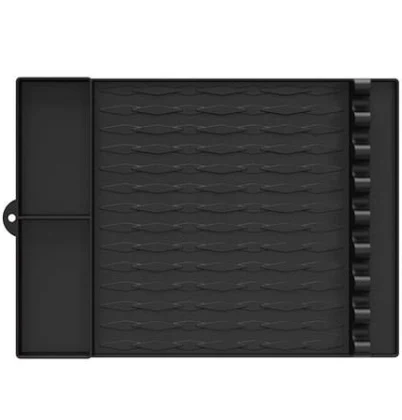
- silicone (no nonstick Teflon-family coating disclosed)
- We found no PFAS statement from the brand
- Silicone additive/filler contamination (unspecified)
4 hazards checked on this product, all on its full breakdown.
Find an alternative on Amazon
- Silicone or rubber floor mat
- We found no PFAS statement from the brand
- Thermal degradation and off-gassing
3 hazards checked on this product, all on its full breakdown.
Find an alternative on Amazon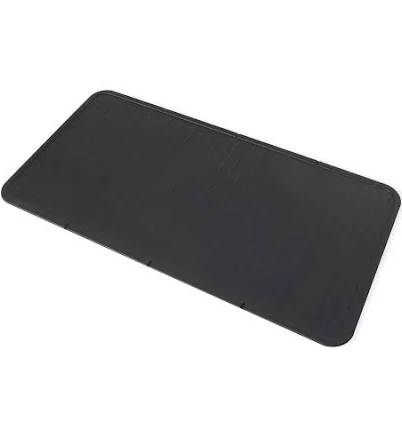
- Silicone mat or grill mat
- We found no PFAS statement from the brand
- Thermal off-gassing and VOC release
3 hazards checked on this product, all on its full breakdown.
Find an alternative on AmazonMore grill & oven mats grades
How we score, every product runs through the same public 0-100 rubric based on materials, coatings, brand disclosure, lab findings, and recalls. See the full methodology → Spotted a mistake? Report an error.