Hammock Gear · Camping Tents & Tarps
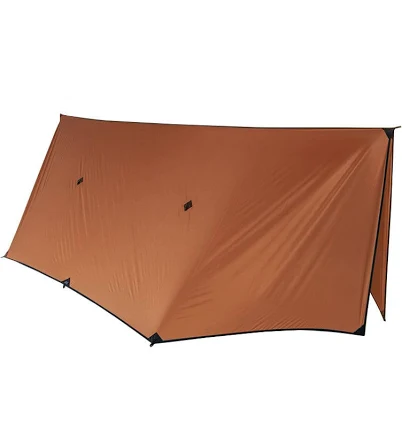
Journey - Hammock Shelter - Lightweight - Camping - Hammock Gear
Avoid until Hammock Gear discloses water-repellent coating treatment chemistry or provides PFAS testing.
Hammock Gear's Journey hammock uses treated ripstop nylon for weather resistance, but the brand does not publicly disclose what water-repellent coating is applied. Lightweight camping gear commonly uses PFAS-based water-repellent coating treatments.
Still want this one anyway? Check the price on Amazon. We’d swap it.
Material
nylon/ripstop fabric with unspecified water-resistant coating
Brand disclosure
Brand is silent on PFAS
Lab data
No public lab test
You may also be interested in
Top-graded picks in the categories readers replace first, every one scored on the same rubric.

- polypropylene filter housing, carbon/sediment cartridge
- We found no PFAS statement from the brand
- Bacterial growth in spent cartridges
3 hazards checked on this product, all on its full breakdown.

Aquasure
Premier Series 75 GPD Under Sink Reverse Osmosis Water Filtration System
- RO membrane, carbon filters, stainless steel housing
- We found no PFAS statement from the brand
- Bacterial and microbial growth in housing and filters
4 hazards checked on this product, all on its full breakdown.

Avocado
Vegan Mattress
- organic cotton, natural latex, coconut coir, recycled steel coils
- The brand calls it PFAS-free, which we have not verified
- Heavy metals
2 hazards checked on this product, all on its full breakdown.
What Journey - Hammock Shelter Hammock Gear is made of, ingredients and materials
Journey uses nylon ripstop fabric, a petroleum-derived polyamide chosen for strength-to-weight ratio and durability in field conditions. The water-resistant coating applied to this nylon is the critical unknown, traditional water-repellent coating (water-repellent coating) treatments historically relied on long-chain PFAS (C8+ compounds), though some manufacturers now use shorter-chain or non-PFAS alternatives. Hammock Gear has not publicly disclosed which chemistry they use, making the true safety profile of this shelter impossible to assess without direct inquiry.
What’s concerning
Category baseline
The starting point for this type of product, before anything specific to this product is counted.
No PFAS disclosure
No public statement from the brand about PFAS in this product.
Waterproof / stain-resistant treatment
Water-repellent coating treatments have historically used PFAS.
PFAS
Nylon ripstop shelters typically receive C6 or C8 PFAS-based water-repellent coating at manufacture. Hammock Gear's refusal to disclose coating chemistry leaves risk unquantified; long-chain PFAS in coating persist through product life and may leach into water or soil during field use or storage.
Source, ATSDR ↗Microplastic shedding from degraded coating or fabric
As nylon ripstop ages and UV-degrades, the water-repellent coating layer and fibers themselves can shed microscopic particles. Risk is low for typical 3-5 year field use, but shelters stored outdoors or in high-UV zones degrade faster and shed more; particles may contaminate soil or collected water near camp.
Mold and bacterial growth if stored damp
Nylon does not inherently harbor pathogens, but if Journey shelter is packed wet or stored in humid conditions, fungal and bacterial colonies can develop on the fabric. This produces odor and possible respiratory irritation if used immediately without airing; not a manufacturing defect but a use/care failure.
Volatilization or skin contact with coating residues during initial use
New water-repellent coating coatings can off-gas slightly during the first few days of exposure to body heat and moisture. Risk is low and transient, but users with sensitive skin or respiratory sensitivity may experience mild irritation; airing the shelter for 24-48 hours before first use reduces this.
What’s reassuring
Lead
No recalls or test results have been published for Hammock Gear products. Nylon ripstop dyes and UV absorbers are unlikely to contain heavy metals in modern commercial batches, but absence of third-party testing or material certifications means this cannot be confirmed.
Source, ATSDR ↗How is this PFAS grade calculated?
The brand's record and disclosure
Hammock Gear maintains a reputation for lightweight performance gear but has not published material transparency statements, chemical certifications (Bluesign, OEKO-TEX, etc.), or water-repellent coating treatment disclosures on their website or product documentation. No public recalls or contamination incidents have been reported for this brand's hammock or shelter products. The silence on water-repellent coating chemistry is consistent with many small outdoor brands that treat supplier specifications as proprietary rather than safety-critical information.
How it compares in its category
Most lightweight camping tarps and hammock shelters face the same water-repellent coating disclosure gap; this is an industry-wide problem rather than a Hammock Gear-specific failure. Premium brands (Big Agnes, REI Co-op) occasionally publish PFAS-free commitments or third-party certifications; budget competitors rarely do. Journey's price point and material spec are typical for the mid-range ultralight segment, so it neither leads nor lags on transparency.
If you buy it
Store the shelter dry and well-ventilated; nylon does not off-gas formaldehyde or other VOCs at room temperature, but musty odor indicates microbial growth (clean with dilute vinegar, air-dry fully). Inspect seams and fabric annually for UV degradation or coating breakdown, which can reduce water resistance and prompt replacement. Avoid machine washing or prolonged sun exposure when not in use. Contact Hammock Gear directly to request water-repellent coating treatment documentation before ordering if PFAS avoidance is a hard requirement.
What is not known about PFAS in this product?
- Basis
- Model estimate, 45% confidence, not a lab result
- Lab test
- None on record for this exact product
- Brand statement
- Hammock Gear has made none
Formulations change between production runs, so check the current label. How we grade.
More camping tents & tarps grades
How we score, every product runs through the same public 0-100 rubric based on materials, coatings, brand disclosure, lab findings, and recalls. See the full methodology → Spotted a mistake? Report an error.