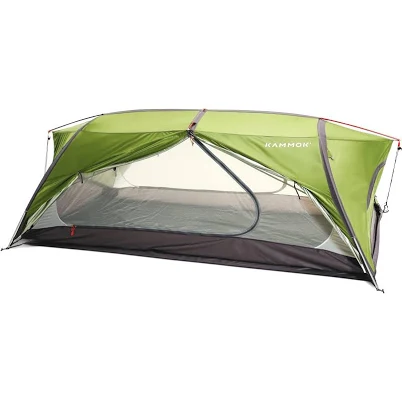
Kammok · Camping Tents & Tarps
Kammok Sunda 2.0 Tent
Avoid or contact brand directly; waterproof tent coating PFAS status remains undisclosed.
The Sunda 2.0 uses polyester with a standard water-repellent finish typical of outdoor gear. Kammok/Hammock Gear has not disclosed whether their water-repellent coating contains PFAS or alternatives.
Still want this one anyway? Check the price on Amazon. We’d swap it.
Material
Polyester fabric with water-repellent coating (water-repellent coating) treatment
Brand disclosure
Brand is silent on PFAS
Lab data
No public lab test
You may also be interested in
Top-graded picks in the categories readers replace first, every one scored on the same rubric.

- polypropylene filter housing, carbon/sediment cartridge
- We found no PFAS statement from the brand
- Bacterial growth in spent cartridges
3 hazards checked on this product, all on its full breakdown.

Aquasure
Premier Series 75 GPD Under Sink Reverse Osmosis Water Filtration System
- RO membrane, carbon filters, stainless steel housing
- We found no PFAS statement from the brand
- Bacterial and microbial growth in housing and filters
4 hazards checked on this product, all on its full breakdown.

Avocado
Vegan Mattress
- organic cotton, natural latex, coconut coir, recycled steel coils
- The brand calls it PFAS-free, which we have not verified
- Heavy metals
2 hazards checked on this product, all on its full breakdown.
What Kammok Sunda 2.0 Tent is made of, ingredients and materials
The Sunda 2.0 uses polyester fabric with a water-repellent coating (water-repellent coating) finish. water-repellent coating treatments historically relied on PFAS-based fluorochemicals to repel water; Kammok has not publicly disclosed whether this tent uses legacy PFAS or newer alternatives. Polyester itself is stable and does not leach monomers under normal camping conditions, but the coating chemistry is the primary exposure vector for this product.
What’s concerning
Category baseline
The starting point for this type of product, before anything specific to this product is counted.
No PFAS disclosure
No public statement from the brand about PFAS in this product.
Waterproof / stain-resistant treatment
Water-repellent coating treatments have historically used PFAS.
water-repellent coating degradation and environmental release
Polyester water-repellent coating coatings wear down through UV exposure, abrasion, and washing. No public data on whether Kammok's coating sheds microparticles or leachables into soil/water; if PFAS-based, deterioration increases bioaccumulation risk over the tent's lifespan.
VOC off-gassing from new tent
Fresh polyester fabrics and coatings may emit volatile organic compounds (adhesives, solvents) for hours to days after purchase. Airing out the tent in sunlight before first use and storing in ventilated conditions reduces exposure.
What’s reassuring
Formaldehyde / VOCs
No recalls or documented incidents for Kammok tents. Polyester production typically avoids formaldehyde resins, and outdoor gear meets loose US and EU dye standards. Risk is low but unverified for this specific batch.
Source, ATSDR ↗Flame retardants
Camping tents are not regulated as consumer sleepwear or upholstered furniture and rarely carry intentional flame retardant treatments. No evidence Kammok uses them, but composition transparency would confirm.
Source, EPA ↗Heavy metals
Polyester textiles can carry trace cadmium or lead in colorants if suppliers are unvetted. Kammok does not disclose supplier audits or dye chemistry; risk is general to the industry, not specific to this brand.
Source, FDA ↗How is this PFAS grade calculated?
The brand's record and disclosure
Kammok (under parent Hammock Gear) does not publish detailed material safety data sheets, ingredient lists, or formal PFAS policy on its consumer-facing site. No established recalls, OEKO-TEX certification, or third-party testing claims are on record for this model. The silence on water-repellent coating chemistry is typical for the outdoor gear industry but represents a disclosure gap that complicates informed comparison.
How it compares in its category
Most mainstream camping tents (REI Co-op, Big Agnes, MSR) similarly use polyester with untransparent water-repellent coating treatments; a few brands (Nemo) have begun disclosing fluorine-free coatings. The Sunda 2.0 is mid-market and offers no competitive transparency advantage. If PFAS avoidance is a priority, brands explicitly marketing Teflon-type coating-free or silicone-based water repellency would present lower concern.
If you buy it
Store in a cool, dry place away from direct sunlight to slow coating degradation. Do not machine wash or use harsh detergents; hand clean with mild soap and water. Avoid exposing the tent to high heat or direct flame. Re-apply water-repellent coating treatment every 1-3 seasons depending on use; when the coating no longer beads water reliably, consider a new tent rather than chemical re-treatment.
What is not known about PFAS in this product?
- Basis
- Model estimate, 35% confidence, not a lab result
- Lab test
- None on record for this exact product
- Brand statement
- Kammok has made none
Formulations change between production runs, so check the current label. How we grade.
More camping tents & tarps grades
How we score, every product runs through the same public 0-100 rubric based on materials, coatings, brand disclosure, lab findings, and recalls. See the full methodology → Spotted a mistake? Report an error.