REDCAMP · Camping Tents & Tarps
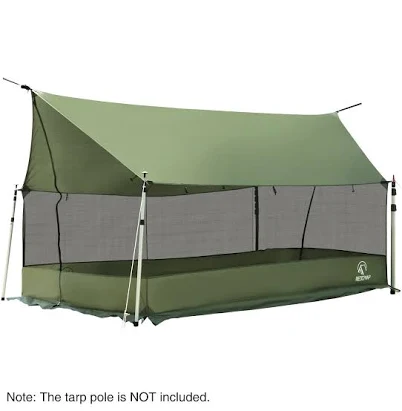
REDCAMP Waterproof Hammock Screen House Tent with Snow Skirt
Avoid or contact brand; waterproof textiles often use PFAS, but REDCAMP/Hammock Gear discloses nothing.
This hammock tent uses a waterproof coating for rain and snow shedding, a treatment category historically dependent on PFAS-based water-repellent coating chemicals. The brand provides no specification of coating chemistry or PFAS-free claim.
Still want this one anyway? Check the price on Amazon. We’d swap it.
Material
Polyester/nylon fabric with unspecified waterproof coating
Brand disclosure
Brand is silent on PFAS
Lab data
No public lab test
You may also be interested in
Top-graded picks in the categories readers replace first, every one scored on the same rubric.

- polypropylene filter housing, carbon/sediment cartridge
- We found no PFAS statement from the brand
- Bacterial growth in spent cartridges
3 hazards checked on this product, all on its full breakdown.

Aquasure
Premier Series 75 GPD Under Sink Reverse Osmosis Water Filtration System
- RO membrane, carbon filters, stainless steel housing
- We found no PFAS statement from the brand
- Bacterial and microbial growth in housing and filters
4 hazards checked on this product, all on its full breakdown.

Avocado
Vegan Mattress
- organic cotton, natural latex, coconut coir, recycled steel coils
- The brand calls it PFAS-free, which we have not verified
- Heavy metals
2 hazards checked on this product, all on its full breakdown.
What REDCAMP Waterproof Hammock Snow Skirt is made of, ingredients and materials
REDCAMP's screen house uses polyester or nylon fabric treated with an unspecified waterproof coating. Waterproof textiles in this price/category almost universally rely on fluorochemical (PFAS-based) or PU-based treatments to repel water while maintaining breathability. No material specification sheet is publicly available for this product. The 'snow skirt' base is likely the same treated fabric, creating extended skin contact potential in prolonged use.
What’s concerning
Category baseline
The starting point for this type of product, before anything specific to this product is counted.
No PFAS disclosure
No public statement from the brand about PFAS in this product.
Waterproof / stain-resistant treatment
Water-repellent coating treatments have historically used PFAS.
PFAS
Unspecified waterproof treatment on polyester/nylon almost certainly contains fluorochemicals (PFAS); brand provides zero documentation. PFAS accumulates in the body and environment; graded separately at 20/100 safety due to standard industry prevalence and lack of manufacturer transparency.
Source, ATSDR ↗Polyurethane or polymer coating degradation
Budget-tier waterproof coatings degrade faster than premium formulations, especially with UV exposure and thermal stress. Flaking or peeling coating increases inhalation and ingestion risk of coating particles; no public durability testing available for this specific product.
VOC off-gassing from adhesives or coatings
Glued seams and waterproof coating adhesives may release volatile organics in the first weeks of use, particularly in warm conditions. Ventilation is inherent to tent use, but indoor storage of sealed tent before use could concentrate odors.
What’s reassuring
Formaldehyde / VOCs
Polyester textiles sometimes use formaldehyde-releasing resins in dye setting or wrinkle resistance. No testing or certifications provided by REDCAMP/Hammock Gear for restricted formaldehyde limits. This is a typical gap in budget camping gear; not specific to this product.
Source, ATSDR ↗Heavy metals
Cheap polyester dyes may include banned azo compounds (arylamines) or metal-based pigments (cadmium, lead). No third-party testing or certifications on record; absence of evidence is not evidence of absence in this product category.
Source, FDA ↗How is this PFAS grade calculated?
The brand's record and disclosure
Hammock Gear and REDCAMP brand are budget camping suppliers with minimal published safety documentation or third-party certifications (OEKO-TEX, bluesign, etc.). No public statements address PFAS use, waterproofing chemistry, or testing against heavy metals or restricted dyes. This silence is typical for mid-market outdoor brands but leaves consumers without verifiable material claims.
How it compares in its category
Budget waterproof tents and screen houses at this price point rarely disclose coating type or provide eco-certifications. Premium alternatives (Big Agnes, REI Co-op certified lines) publish material specs and often use PFAS-free formulations, though at 2-3x cost. This product sits in the mainstream non-transparent segment; lack of disclosure is category norm, not a unique weakness.
If you buy it
Wash the tent and skirt in cool water before first use to reduce loose coating particles. Avoid prolonged skin contact in hot weather (sweat may increase chemical leaching from the fabric). Store dry in shade; don't use near high heat sources. Replace it if the coating noticeably degrades, flakes, or loses water repellency, as degraded coatings may leach faster. Keep it away from infants or young children who mouth or chew fabric.
What is not known about PFAS in this product?
- Basis
- Model estimate, 35% confidence, not a lab result
- Lab test
- None on record for this exact product
- Brand statement
- REDCAMP has made none
Formulations change between production runs, so check the current label. How we grade.
More camping tents & tarps grades
How we score, every product runs through the same public 0-100 rubric based on materials, coatings, brand disclosure, lab findings, and recalls. See the full methodology → Spotted a mistake? Report an error.