Hammock Gear · Camping Tents & Tarps
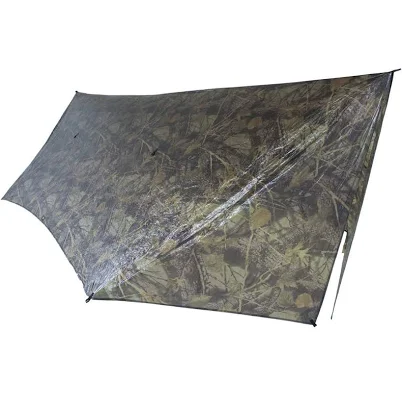
Standard Tarp With Doors - Hammock Shelter - Lightweight - Camping - Hammock Gear
Avoid until brand discloses coating chemistry; waterproof tarps often use PFAS-based water-repellent coating treatments.
Hammock Gear's waterproof tarp uses ripstop nylon or polyester with a water-repellent coating finish of undisclosed type. The brand provides no public disclosure of coating chemistry or PFAS status.
Still want this one anyway? Check the price on Amazon. We’d swap it.
Material
Nylon ripstop or polyester with unspecified water-repellent coating
Brand disclosure
Brand is silent on PFAS
Lab data
No public lab test
You may also be interested in
Top-graded picks in the categories readers replace first, every one scored on the same rubric.

- polypropylene filter housing, carbon/sediment cartridge
- We found no PFAS statement from the brand
- Bacterial growth in spent cartridges
3 hazards checked on this product, all on its full breakdown.

Aquasure
Premier Series 75 GPD Under Sink Reverse Osmosis Water Filtration System
- RO membrane, carbon filters, stainless steel housing
- We found no PFAS statement from the brand
- Bacterial and microbial growth in housing and filters
4 hazards checked on this product, all on its full breakdown.

Avocado
Vegan Mattress
- organic cotton, natural latex, coconut coir, recycled steel coils
- The brand calls it PFAS-free, which we have not verified
- Heavy metals
2 hazards checked on this product, all on its full breakdown.
What Standard Tarp With Doors Hammock Gear is made of, ingredients and materials
This tarp is nylon ripstop or polyester base fabric treated with a water-repellent coating (water-repellent coating) coating to shed rain. water-repellent coating coatings on consumer tarps historically relied on PFAS "forever chemicals" (PFAS) chemistry, though some manufacturers have shifted to fluorine-free alternatives in recent years. Hammock Gear has not publicly disclosed which water-repellent coating chemistry this product uses. Nylon and polyester themselves are stable polymers with low migration risk under typical camping conditions, but the coating is the primary concern.
What’s concerning
Category baseline
The starting point for this type of product, before anything specific to this product is counted.
No PFAS disclosure
No public statement from the brand about PFAS in this product.
Waterproof / stain-resistant treatment
Water-repellent coating treatments have historically used PFAS.
water-repellent coating degradation and particle release
Nylon and polyester tarps lose hydrophobic coating over time with UV exposure and washing. Small coating particles may shed into stored gear or water; composition unknown for this product.
Mold and bacterial growth on wet fabric
Damp tarps stored without full drying create conditions for mildew and mold colonization. This is a use-and-storage issue, not a material defect, but mold spores pose respiratory risk if tarp is deployed over sleeping area without ventilation.
Microplastic shedding if tarp is torn or abraded
Nylon and polyester are microplastics by definition. A damaged tarp will release fibers; this is unavoidable with polymer textiles and poses minimal acute risk for camping but accumulates in soil and water where tarps are repeatedly used.
What’s reassuring
Volatilization from new material (VOC off-gassing)
Nylon and polyester tarps may emit weak solvent or plastic odors when new, especially if stored in warm conditions. No specific complaints or test data for Hammock Gear tarps recorded; odor typically dissipates within days of airing out.
Lead
Hammock Gear tarps are typically neutral gray or tan; no confirmed reports of heavy metal dyes in lightweight nylon tarps from established US manufacturers. Risk is low but unverified for this specific product.
Source, ATSDR ↗How is this PFAS grade calculated?
The brand's record and disclosure
Hammock Gear is a small US-based hammock and shelter manufacturer with no published materials safety disclosures, certifications (such as OEKO-TEX or GOTS), or statements about PFAS avoidance. The brand does not appear to have faced recalls or public controversies on record. However, absence of transparency on coating chemistry is consistent with industry-wide underreporting; most outdoor fabric suppliers only disclose water-repellent coating treatment details upon direct inquiry, if at all.
How it compares in its category
Standard lightweight camping tarps are typically nylon or polyester with water-repellent coating finish; Hammock Gear's product is conventional. Competitors in the ultralight category (e.g., Hyperlite, Zpacks) similarly do not routinely disclose water-repellent coating chemistry publicly, though some outdoor brands (e.g.brands including Patagonia have committed to avoiding PFAS-based water-repellent coating treatments. Budget tarps and premium tarps use identical generic water-repellent coating methods unless branded as fluorine-free, making this product unremarkable in transparency relative to peers.
If you buy it
Avoid storing the tarp in contact with food, drinking water, or cookware. Do not heat-seal, iron, or machine wash the tarp; hand rinse with cold water only if needed, as heat and agitation can degrade the water-repellent coating and increase coating particle shedding. If the water-repellent finish deteriorates noticeably (water no longer beads), do not apply aftermarket water-repellent coating sprays or treatments, as these often contain higher PFAS concentrations than factory coating. Replace the tarp if the base fabric tears, as patching with glues or tapes introduces additional chemical exposures.
What is not known about PFAS in this product?
- Basis
- Model estimate, 45% confidence, not a lab result
- Lab test
- None on record for this exact product
- Brand statement
- Hammock Gear has made none
Formulations change between production runs, so check the current label. How we grade.
More camping tents & tarps grades
How we score, every product runs through the same public 0-100 rubric based on materials, coatings, brand disclosure, lab findings, and recalls. See the full methodology → Spotted a mistake? Report an error.