Tentsile · Camping Tents & Tarps
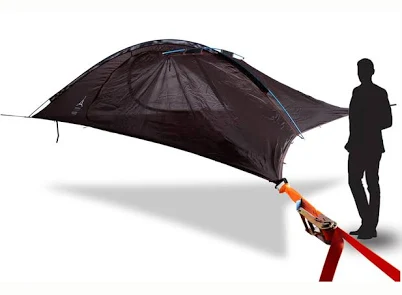
Tentsile Flite 2-Person Hammock Tent
Avoid until brand discloses water-repellent coating chemistry; hammock tent fabric likely treated with PFAS-based water repellent.
Tentsile/Hammock Gear does not publicly disclose the waterproofing treatment on this ripstop nylon hammock tent. Outdoor gear with water-repellent coating finishes typically relies on PFAS-based chemistry unless explicitly stated otherwise.
Still want this one anyway? Check the price on Amazon. We’d swap it.
Material
Ripstop nylon with unspecified waterproof coating
Brand disclosure
Brand is silent on PFAS
Lab data
No public lab test
You may also be interested in
Top-graded picks in the categories readers replace first, every one scored on the same rubric.

- polypropylene filter housing, carbon/sediment cartridge
- We found no PFAS statement from the brand
- Bacterial growth in spent cartridges
3 hazards checked on this product, all on its full breakdown.

Aquasure
Premier Series 75 GPD Under Sink Reverse Osmosis Water Filtration System
- RO membrane, carbon filters, stainless steel housing
- We found no PFAS statement from the brand
- Bacterial and microbial growth in housing and filters
4 hazards checked on this product, all on its full breakdown.

Avocado
Vegan Mattress
- organic cotton, natural latex, coconut coir, recycled steel coils
- The brand calls it PFAS-free, which we have not verified
- Heavy metals
2 hazards checked on this product, all on its full breakdown.
What Tentsile Flite 2-Person Hammock Tent is made of, ingredients and materials
The Tentsile Flite uses ripstop nylon as the base fabric, a lightweight polyamide material valued for tear resistance and packability in camping gear. The waterproof coating composition is not disclosed by Hammock Gear; industry standard for nylon camping tents is polyurethane (PU) or silicone topcoats, but many budget-to-mid-tier manufacturers use PFAS-based water-repellent coating (water-repellent coating) treatments on the outer shell. Ripstop nylon itself is chemically stable and does not shed microplastics under normal use, but the coating durability and breakdown products over time remain unknown for this specific product.
What’s concerning
Category baseline
The starting point for this type of product, before anything specific to this product is counted.
No PFAS disclosure
No public statement from the brand about PFAS in this product.
Waterproof / stain-resistant treatment
Water-repellent coating treatments have historically used PFAS.
Coating degradation and unknown breakdown products
Nylon coatings degrade under UV exposure and flexing over 2-5 years of use. If PFAS-based water-repellent coating is present, breakdown products entering soil or water during disposal are a concern; no data on the Flite's specific coating longevity or leaching profile exists.
Mold and bacterial growth from moisture retention
If the fabric is stored wet or in humid conditions, nylon and its coatings provide minimal antimicrobial activity and can support mold growth, which poses respiratory risk if spores are inhaled during setup. Regular drying and ventilation mitigate this.
What’s reassuring
Off-gassing of waterproof coating
No reported off-gassing issues specific to this product. General nylon tent coatings (PU or PFAS) have minimal volatile organic compound (VOC) release after factory curing; risk is negligible for outdoor use and brief indoor storage.
Heavy metals
No recalls or reports of heavy metal contamination in Tentsile or Hammock Gear products. Standard ripstop nylon dyeing does not commonly involve azo dyes; risk is low but unverified for this specific batch.
Source, FDA ↗Flame retardants
Ripstop nylon used in camping gear is rarely treated with intentional flame retardants; no evidence of such additives in the Flite. The material itself is moderately flammable and should not be used near open flames.
Source, EPA ↗How is this PFAS grade calculated?
The brand's record and disclosure
Hammock Gear has not publicly disclosed the chemical composition of the waterproof coating on the Flite 2-Person, nor has the brand published a materials sourcing or PFAS policy. No third-party certifications (Bluesign, OEKO-TEX, or similar) are advertised for this model. The brand's silence on water-repellent coating chemistry is typical of smaller outdoor gear manufacturers, but represents a transparency gap for consumers concerned about PFAS exposure and environmental persistence.
How it compares in its category
Hammock tents occupy a niche between traditional ground tents and portable shelters; the Flite is priced as a value-conscious option. Competitors in the same price range (e.g., ENO SitePod, Hennessy Hammock) similarly avoid disclosing coating chemistry, while premium brands like Zpacks explicitly state non-PFAS fluorocarbon alternatives. The Flite offers no material advantage in transparency or safety profile versus comparable mid-tier hammock tents.
If you buy it
Store the tent dry and well ventilated; off-gassing of coatings is minimal after initial curing but accelerates if stored damp or in heat. Do not machine wash or soak; rinse with cool water and air dry only. Inspect seams and coating annually for degradation; peeling or flaking coatings should trigger replacement. Use as intended for camping; avoid prolonged contact with skin or storage near food if you wish to minimize potential PFAS migration, though risk from casual use is low.
What is not known about PFAS in this product?
- Basis
- Model estimate, 42% confidence, not a lab result
- Lab test
- None on record for this exact product
- Brand statement
- Tentsile has made none
Formulations change between production runs, so check the current label. How we grade.
More camping tents & tarps grades
How we score, every product runs through the same public 0-100 rubric based on materials, coatings, brand disclosure, lab findings, and recalls. See the full methodology → Spotted a mistake? Report an error.