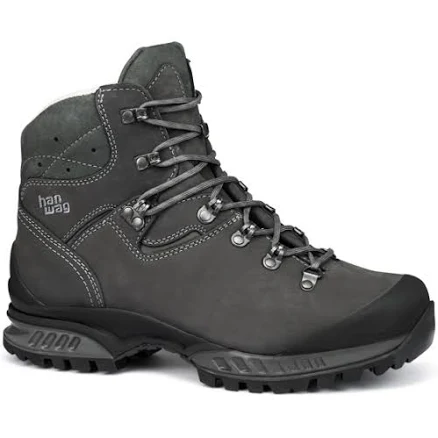
Hanwag Men's Tatra II
High uncertainty; Hanwag does not disclose waterproofing chemistry.
Tatra II is a hiking boot with waterproof treatment, but Hanwag provides no public information on whether PFAS was used. Typical outdoor leather boots may use fluorinated water-repellent coating finishes.
Still want this one anyway? Check the price on Amazon. We’d swap it.
Material
leather, synthetic upper, waterproof treatment unspecified
Brand disclosure
Brand is silent on PFAS
Lab data
No public lab test
You may also be interested in
Top-graded picks in the categories readers replace first, every one scored on the same rubric.

Aqua Pure
3M Aqua-Pure AP802B Whole House Filter Housing
- polypropylene filter housing, carbon/sediment cartridge
- We found no PFAS statement from the brand
- Bacterial growth in spent cartridges
3 hazards checked on this product. See all of them.

Aquasure
Premier Series 75 GPD Under Sink Reverse Osmosis Water Filtration System
- RO membrane, carbon filters, stainless steel housing
- We found no PFAS statement from the brand
- Bacterial and microbial growth in housing and filters
4 hazards checked on this product. See all of them.

Avocado
Vegan Mattress
- organic cotton, natural latex, coconut coir, recycled steel coils
- The brand calls it PFAS-free, which we have not verified
- Heavy metals
2 hazards checked on this product. See all of them.
What Hanwag Men's Tatra II is made of, ingredients and materials
The Tatra II combines leather (likely full-grain or chrome-tanned) with synthetic uppers and an unspecified waterproof treatment. Leather tanning chemistry varies widely; chrome tanning is standard but requires proper waste management by manufacturers. The synthetic upper materials (typically polyester or nylon) can off-gas volatile compounds early in the product's life. The waterproofing agent is the critical unknown, Hanwag does not disclose whether it relies on PFAS-based durable water repellents (DWRs) or alternative chemistries.
What’s concerning
Waterproof / stain-resistant treatment
Water-repellent coating treatments have historically used PFAS.
Category baseline
The starting point for this type of product, before anything specific to this product is counted.
No PFAS disclosure
No public statement from the brand about PFAS in this product.
Formaldehyde / VOCs
Synthetic uppers and leather dyestuffs may contain formaldehyde resins used in color fixation and water resistance finishes. Hanwag does not disclose dye type or finish chemistry; typical hiking boots do not isolate this hazard from industry norms, but contact with skin (especially in damp conditions inside the boot) creates potential for low-level exposure.
Source, ATSDR ↗Azo dyes in leather and synthetics
The brand does not specify whether leather dyestuffs exclude banned azo dyes that cleave to aromatic amines. European tanneries generally meet REACH restrictions, but Hanwag's supply-chain sourcing is not transparent. Risk is low relative to mass-market boots but unconfirmed for this line.
Heavy metals
Chrome-tanned leather is industry standard and does not inherently pose hazard if tanning waste is properly managed. Chromium(III) used in tanning is considered lower risk than Chromium(VI). However, Hanwag does not certify tannery practices or test finished boots for residual chromium; direct skin contact over extended wearing is the primary route of concern for sensitive individuals.
Source, FDA ↗VOC off-gassing from synthetic upper materials
Polyester or nylon uppers and adhesives used in boot construction can release volatile organic compounds, particularly when new or when exposed to heat (e.g., sun-warmed storage). Hanwag does not provide off-gassing data or VOC limits. Ventilation and air-drying the boots for 24-48 hours before first wear can reduce early exposure.
What’s reassuring
Antimony in polyester synthetics
Antimony trioxide is used as a catalyst in polyester fiber production. No specific data on antimony levels in Hanwag boots is available; mainstream footwear suppliers do not typically report this. Risk is considered low for foot contact because antimony is not skin-reactive, but the hazard is not actively tested or ruled out for this product.
The full breakdown
The brand's record and disclosure
Hanwag is an established Austrian hiking and mountaineering boot manufacturer with a heritage in outdoor durability. The brand does not publicly disclose waterproofing chemistry, tanning methods, or chemical safety testing for this model. No major recalls or documented chemical controversies are on record for Hanwag footwear. The lack of transparency on PFAS use or alternatives reflects a broader industry norm among smaller specialist brands that have not adopted full supply-chain disclosure.
How it compares in its category
Premium hiking boots in this segment typically use chrome-tanned or vegetable-tanned leather combined with synthetic uppers and water-repellent coating treatments. Hanwag does not stand apart in disclosure; most competitors in the price and performance tier (e.g., Scarpa, Asolo, Lowa) similarly do not publicly detail waterproofing chemistry. Brands offering explicitly PFAS-free or fully disclosed alternatives (e.g., some Danner or Salewa lines) are less common and often at higher price points. The Tatra II's risk profile is representative of mainstream premium outdoor footwear rather than exceptional.
If you buy it
Condition the boots with mink oil or beeswax-based products rather than solvent-heavy leather conditioners during the first month to minimize VOC off-gassing. Air-dry after wet use; do not apply direct heat or place near radiators, as high temperatures can accelerate synthetic fiber degradation and off-gassing. Inspect the waterproof seams and water-repellent coating annually; if water beads no longer form, re-treatment may be needed, but seek a water-repellent coating product that specifies PFAS-free formulation. Replace insoles every 1-2 years depending on use intensity to prevent bacterial growth in moisture pockets.
What we don’t know
- Basis
- Model estimate, 35% confidence, not a lab result
- Lab test
- None on record for this exact product
- Brand statement
- Hanwag has made none
Formulations change between production runs, so check the current label. How we grade.
Better-graded alternatives in Waterproof Boots
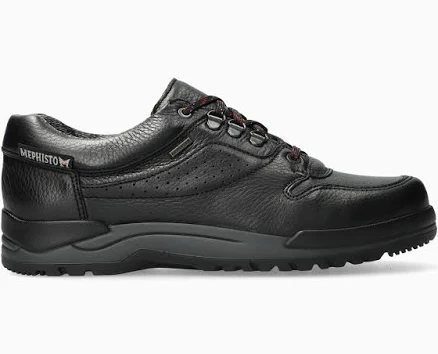
Mephisto
Men Mephisto Curt Mt SNEAKER
- leather, textile, rubber sole
- We found no PFAS statement from the brand
- Volatile organic compounds (VOC) off-gassing from adhesives
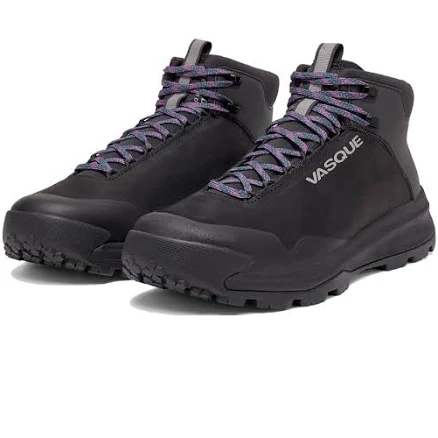
Vasque
Hiking shoes Vasque Women's Horizon Mid
- Leather/nubuck upper, synthetic/rubber sole, no coating disclosed
- We found no PFAS statement from the brand
- Azo dyes (leather/textile coloring)
4 hazards checked on this product. See all of them.
Find an alternative on AmazonMore waterproof boots grades
How we score, every product runs through the same public 0-100 rubric based on materials, coatings, brand disclosure, lab findings, and recalls. See the full methodology → Spotted a mistake? Report an error.