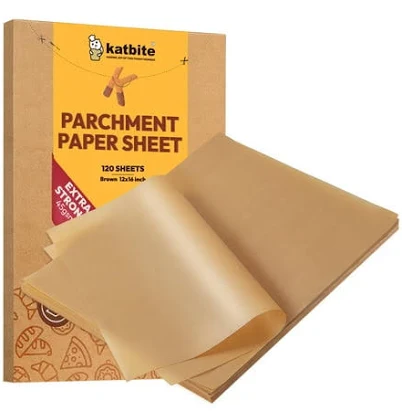
· Parchment Paper & Baking Liners
12x16 inch Heavy Duty Non-Stick Unbleached Parchment Paper
Lower risk silicone-coated parchment, but verify details with the brand.
Unbleached parchment with silicone coating poses lower PFAS risk than Teflon-family coating nonstick. The brand makes no PFAS disclosure; contacting the company directly will get you coating specifics if concerned.
The better-graded swap
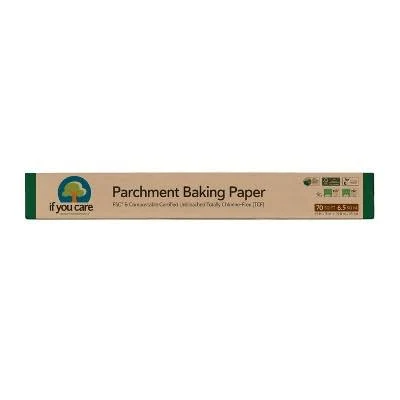
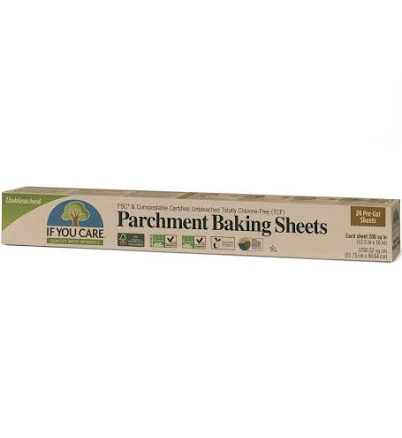
If You Care
If You Care Parchment Baking Paper
90/100 safety
Same rubric that flunked this product. The swap earned Excellent.
Still want this one anyway? Check the price on Amazon. We’d swap it.
Material
Unbleached paper with silicone non-stick coating
Brand disclosure
Brand is silent on PFAS
Lab data
No public lab test
You may also be interested in
Top-graded picks in the categories readers replace first, every one scored on the same rubric.

- polypropylene filter housing, carbon/sediment cartridge
- We found no PFAS statement from the brand
- Bacterial growth in spent cartridges
3 hazards checked on this product, all on its full breakdown.

Aquasure
Premier Series 75 GPD Under Sink Reverse Osmosis Water Filtration System
- RO membrane, carbon filters, stainless steel housing
- We found no PFAS statement from the brand
- Bacterial and microbial growth in housing and filters
4 hazards checked on this product, all on its full breakdown.

Avocado
Vegan Mattress
- organic cotton, natural latex, coconut coir, recycled steel coils
- The brand calls it PFAS-free, which we have not verified
- Heavy metals
2 hazards checked on this product, all on its full breakdown.
What 12x16 inch Heavy Duty Parchment Paper is made of, ingredients and materials
This product is paper substrate coated with silicone-based non-stick layer, unbleached to avoid chlorine processing chemicals. Silicone coatings are generally considered more chemically stable than older fluorinated polymer coatings (Teflon-type coating), meaning they shed fewer concerning compounds into food at typical baking temperatures. The unbleached base reduces exposure to chlorine residues and dioxins sometimes present in bleached parchment, though unbleached does not guarantee absence of processing additives.
What’s concerning
Category baseline
The starting point for this type of product, before anything specific to this product is counted.
No PFAS disclosure
No public statement from the brand about PFAS in this product.
Waterproof / stain-resistant treatment
Water-repellent coating treatments have historically used PFAS.
Silicone coating thermal stability and migration
Silicone coatings are thermally stable at standard baking temperatures but can degrade at very high heat or under broiler use, potentially shedding oligomers into food. No migration data specific to the brand's formulation is publicly available.
Microplastic/coating particle release during use or tear
Repeated creasing, folding, or tearing of coated parchment can release small coating particles. Risk is low during normal baking but may increase if the paper is reused or subjected to mechanical stress.
Lack of third-party testing and ingredient transparency
The brand does not publicly disclose the specific silicone formulation, additives, or independent migration testing results, making it impossible to rule out undisclosed substances of concern beyond PFAS.
What’s reassuring
Unbleached paper residual processing chemicals
Unbleached designation reduces chlorine-related byproducts, but does not guarantee absence of sizing agents, rosin residues, or other paper mill additives. No specific contamination reported for this product.
How is this PFAS grade calculated?
The brand's record and disclosure
The brand does not publicly disclose PFAS content, testing protocols, or migration studies for their parchment products, which is a transparency gap standard in the industry. The brand has no established record of environmental or safety certifications (like FSC, compostable claims, or third-party chemical audits) for this specific item. No recalls or safety complaints specific to this product line are on public record, but the absence of disclosure limits independent verification of safety claims.
How it compares in its category
Silicone-coated unbleached parchment sits in the middle tier of the market, with lower concern than older Teflon-type coating-based non-stick papers but less transparent than premium brands offering guarantees of no detected PFAS or full chemical disclosure. Alternatives like If You Care (compostable, PFAS-free claims), parchment from Greenline, or simple uncoated kraft paper sacrifice some non-stick convenience but offer higher transparency. The brand's product is standard-issue kitchen parchment but does not differentiate on safety messaging or third-party validation.
If you buy it
Use at recommended temperatures (typically up to 420-450°F; check package); do not broil or use under direct high flame, as silicone may degrade at extreme heat. Replace rolls if coating visibly peels, flakes, or discolors, as compromised coatings may shed particles. Store in cool, dry conditions to prevent degradation. Consider limiting use to non-acidic foods if concerned about silicone migration, though direct evidence of harm from typical baking use is limited.
What is not known about PFAS in this product?
- Basis
- Model estimate, 72% confidence, not a lab result
- Lab test
- None on record for this exact product
- Brand statement
- has made none
Formulations change between production runs, so check the current label. How we grade.
What are the PFAS-free alternatives to 12x16 inch Heavy Duty Non-Stick Unbleached Parchment Paper?
- silicone-coated parchment paper
- The brand calls it PFAS-free, which we have not verified
- Paper degradation and particulate shedding
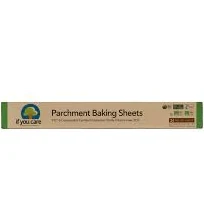
- unbleached paper with silicone coating
- The brand calls it PFAS-free, which we have not verified
- Silicone coating degradation at high heat
- bleached paper with silicone coating
- The brand calls it PFAS-free, which we have not verified
- Paper degradation and fragmentation
More parchment paper & baking liners grades
How we score, every product runs through the same public 0-100 rubric based on materials, coatings, brand disclosure, lab findings, and recalls. See the full methodology → Spotted a mistake? Report an error.