Hefty · Disposable Food Containers
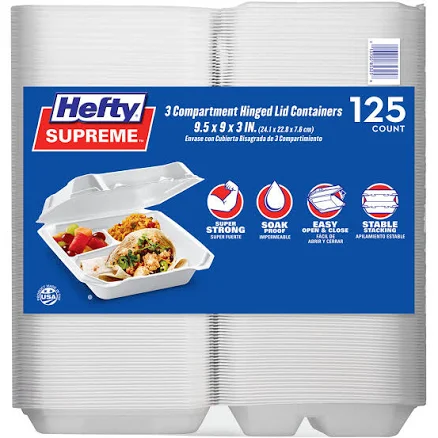
Hefty Supreme Foam Hinged Lid 3-Compartment Containers
Skip, foam food containers typically contain fluorinated grease barriers.
Hefty Supreme foam hinged containers typically include grease-resistant coatings for food oils. Foam packaging is a known PFAS application, but Hefty provides no PFAS statement.
The better-graded swap
Eco-Products
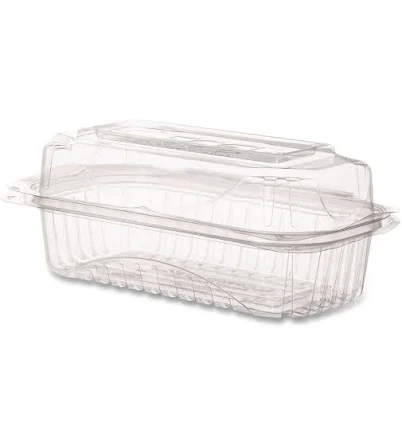
Eco-Products Compostable Clear Clamshell Hinged Food
100/100 safety
Same rubric that flunked this product. The swap earned Excellent.
Still want this one anyway? Check the price on Amazon. We’d swap it.
Material
Expanded polystyrene foam with grease-resistant coating
Brand disclosure
Brand is silent on PFAS
Lab data
No public lab test
You may also be interested in
Top-graded picks in the categories readers replace first, every one scored on the same rubric.

- polypropylene filter housing, carbon/sediment cartridge
- We found no PFAS statement from the brand
- Bacterial growth in spent cartridges
3 hazards checked on this product, all on its full breakdown.

Aquasure
Premier Series 75 GPD Under Sink Reverse Osmosis Water Filtration System
- RO membrane, carbon filters, stainless steel housing
- We found no PFAS statement from the brand
- Bacterial and microbial growth in housing and filters
4 hazards checked on this product, all on its full breakdown.

Avocado
Vegan Mattress
- organic cotton, natural latex, coconut coir, recycled steel coils
- The brand calls it PFAS-free, which we have not verified
- Heavy metals
2 hazards checked on this product, all on its full breakdown.
What Hefty Supreme Foam Hinged Lid Containers is made of, ingredients and materials
Hefty Supreme containers are expanded polystyrene (EPS) foam with a grease-resistant coating applied to the interior surfaces. This coating is almost certainly fluorinated (PFAS-based) to repel oils and liquids, a standard industry practice for foam food packaging since the 1990s. Polystyrene itself is a known endocrine disruptor when heated or in contact with fatty foods, and the added coating's composition is not disclosed by the manufacturer.
What’s concerning
Category baseline
The starting point for this type of product, before anything specific to this product is counted.
No PFAS disclosure
No public statement from the brand about PFAS in this product.
Waterproof / stain-resistant treatment
Water-repellent coating treatments have historically used PFAS.
PFAS
Expanded polystyrene food packaging relies on fluorinated barrier coatings for water and grease resistance. Hefty's formula is proprietary and undisclosed, but migration to fatty or heated foods is a documented mechanism with PFAS chemistry.
Source, ATSDR ↗Styrene monomer leaching
Polystyrene foam degrades with age, heat, and solvent contact, releasing residual styrene monomers. FDA classifies styrene as a possible carcinogen and developmental concern; impact is highest with hot or fatty foods.
Microplastics
EPS foam is fragile and sheds particles during handling, stacking, and use. These micro- and nano-particles can be ingested with food, particularly with moist or crumbly contents.
Source, EPA ↗Coating delamination and unknown additives
The applied grease barrier may degrade, flake, or leach additives (plasticizers, surfactants, hardeners) into food. Without disclosure of coating chemistry, specific additives and their safety profiles cannot be assessed.
Endocrine disruptors
Polystyrene contains oligomers and residual monomers with estrogenic activity documented in animal studies. Risk increases in contact with acidic, fatty, or hot foods.
Source, NIEHS ↗How is this PFAS grade calculated?
The brand's record and disclosure
Hefty (owned by Reynolds Consumer Products) does not publicly disclose the chemical formulation of coatings on its foam food packaging, nor does it publish safety testing data or PFAS content limits. The brand has made no statement acknowledging PFAS use in food containers. Without third-party certification or transparency commitments, there is no basis to verify the safety of these products.
How it compares in its category
Foam hinged clamshells are among the most problematic food packaging formats because they are disposable (no replacement option), impossible to verify for contaminants, and commonly used for high-fat foods (cheese, baked goods, fried items) that accelerate leaching. Rigid plastic (#1 PET or #5 PP) containers without foam and coating offer far better transparency and lower risk of PFAS exposure. Cardboard-lined or uncoated molded fiber alternatives eliminate the chemical coating risk entirely.
If you buy it
Do not use these containers for hot foods, fatty items, or acidic foods; migration increases with temperature and food chemistry. Never microwave or store in warm conditions. Once used, discard immediately; do not reuse. If cost is a constraint, consider uncoated rigid plastic (PET) deli containers or kraft cardboard takeout boxes sold in bulk, which avoid the fluorinated barrier chemistry altogether.
What is not known about PFAS in this product?
- Basis
- Model estimate, 45% confidence, not a lab result
- Lab test
- None on record for this exact product
- Brand statement
- Hefty has made none
Formulations change between production runs, so check the current label. How we grade.
What are the PFAS-free alternatives to Hefty Supreme Foam Hinged Lid 3-Compartment Containers?
Eco-Products
Compostable Clear Clamshell Hinged Food
- Compostable resin (PLA/PBAT blend, plant-based)
- A third party reports verifying it as PFAS-free
- Thermal degradation and chemical release at use temperatures
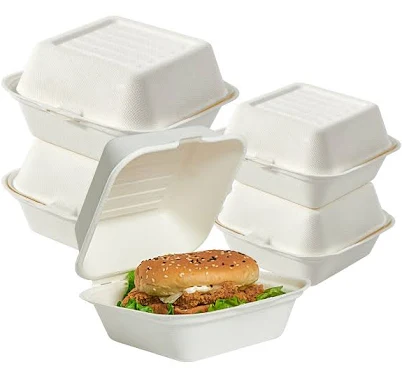
- Sugarcane bagasse (compostable fiber)
- We found no PFAS statement from the brand
- Bleaching agents and residual processing chemicals
3 hazards checked on this product, all on its full breakdown.
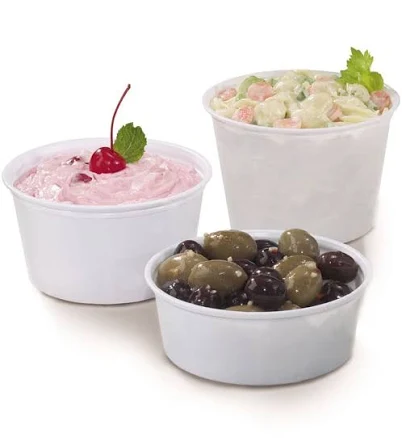
- polypropylene (PP) container, uncoated
- We found no PFAS statement from the brand
- Microplastics
2 hazards checked on this product, all on its full breakdown.
More disposable food containers grades
How we score, every product runs through the same public 0-100 rubric based on materials, coatings, brand disclosure, lab findings, and recalls. See the full methodology → Spotted a mistake? Report an error.