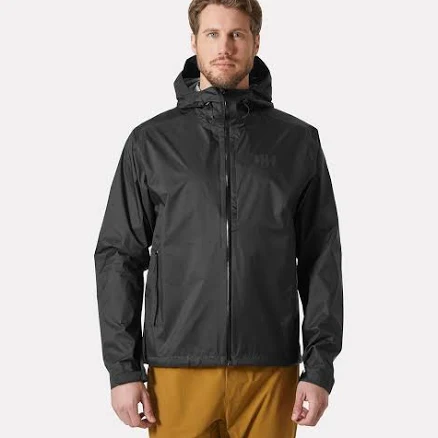
Helly Hansen Men's Loke Terra Jacket
Unknown water-repellent coating chemistry. Contact brand for PFAS status before buying.
Helly Hansen does not disclose water-repellent coating treatment chemistry on this jacket. Outdoor apparel commonly uses PFAS-based water repellents, though some brands now offer PFAS-free alternatives. Request product details from the manufacturer.
Still want this one anyway? Check the price on Amazon. We’d swap it.
Material
Nylon with water-repellent coating (water-repellent coating) finish
Lab data
No public lab test
You may also be interested in
Top-graded picks in the categories readers replace first, every one scored on the same rubric.

- polypropylene filter housing, carbon/sediment cartridge
- We found no PFAS statement from the brand
- Bacterial growth in spent cartridges
3 hazards checked on this product, all on its full breakdown.

Aquasure
Premier Series 75 GPD Under Sink Reverse Osmosis Water Filtration System
- RO membrane, carbon filters, stainless steel housing
- We found no PFAS statement from the brand
- Bacterial and microbial growth in housing and filters
4 hazards checked on this product, all on its full breakdown.

Avocado
Vegan Mattress
- organic cotton, natural latex, coconut coir, recycled steel coils
- The brand calls it PFAS-free, which we have not verified
- Heavy metals
2 hazards checked on this product, all on its full breakdown.
What Helly Hansen Men's Loke Terra Jacket is made of, ingredients and materials
The Loke Terra is constructed from nylon with a water-repellent coating (water-repellent coating) finish. Nylon itself is a stable synthetic polymer with no established leaching risk during normal wear. However, the water-repellent coating is the critical unknown, traditional water-repellent coating finishes used in outdoor apparel are often fluorinated compounds (PFAS), which persist in the environment and body. Without Helly Hansen's explicit disclosure of the water-repellent coating chemistry, the specific fluorochemical cannot be verified.
What’s concerning
Waterproof / stain-resistant treatment
Water-repellent coating treatments have historically used PFAS.
Category baseline
The starting point for this type of product, before anything specific to this product is counted.
No PFAS disclosure
No public statement from the brand about PFAS in this product.
PFAS
Nylon jackets routinely use fluorinated water-repellent coating coatings. Helly Hansen has not disclosed the chemistry, so presence cannot be ruled out. Direct skin contact during wear poses low acute risk but environmental persistence is a concern.
Source, ATSDR ↗Microfiber shedding (nylon degradation)
Nylon jackets release microfibers during washing and wear, particularly after damage or heavy abrasion. This is a material-class issue rather than brand-specific; washing in a microfiber-catch bag reduces release.
What’s reassuring
Formaldehyde / VOCs
No recalls or public reports of excessive formaldehyde in Helly Hansen nylon jackets. Nylon itself does not require formaldehyde-based resins, though dyes and finishing chemicals may contain trace formaldehyde releasers; standard industrial practice minimizes this.
Source, ATSDR ↗Heavy metals
No documented issues with azo dyes or heavy metal pigments in this brand's nylon outerwear. Industrial compliance is presumed but not independently verified for this specific product.
Source, FDA ↗Flame retardants
This jacket is nylon, not polyester, so antimony from polyester catalysts is not a concern. No flame retardant treatment is listed or necessary for apparel of this type.
Source, EPA ↗How is this PFAS grade calculated?
The brand's record and disclosure
Helly Hansen has not published a transparent PFAS policy or commitment to fluorine-free alternatives, despite being a major outdoor brand. The company does not disclose water-repellent coating chemistry on product tags or websites for this model. No voluntary third-party certifications (such as Bluesign or GOTS) are listed for this jacket, which limits independent verification of chemical inputs. This silence on PFAS is notable given competitor transparency from brands like Patagonia.
How it compares in its category
Most mainstream outdoor jackets (North Face, Columbia, Arc'teryx) similarly use undisclosed water-repellent coating finishes, making this product typical rather than exceptional. However, an increasing number of brands now offer fluorine-free or disclosed-chemistry alternatives. Helly Hansen's lack of communication places it in a weaker position than brands with explicit non-PFAS or PFC-free product lines. Price and durability are competitive, but chemical transparency is not a strength.
If you buy it
Wash before first wear to remove any loose chemical residues from manufacturing. Use warm water (not hot) and mild detergent; avoid dryer heat, as it can degrade water repellency without need for re-treatment. The water-repellent coating finish will degrade over 1-2 years of regular use; if re-waterproofing is needed, choose a fluorine-free spray or send to a service using non-fluorinated treatments. Store dry to prevent mildew growth, which may trigger the need for chemical-heavy cleaning.
What is not known about PFAS in this product?
- Basis
- Model estimate, 45% confidence, not a lab result
- Lab test
- None on record for this exact product
- Brand statement
- Helly Hansen has made a specific claim
Formulations change between production runs, so check the current label. How we grade.
More rain jackets grades
How we score, every product runs through the same public 0-100 rubric based on materials, coatings, brand disclosure, lab findings, and recalls. See the full methodology → Spotted a mistake? Report an error.