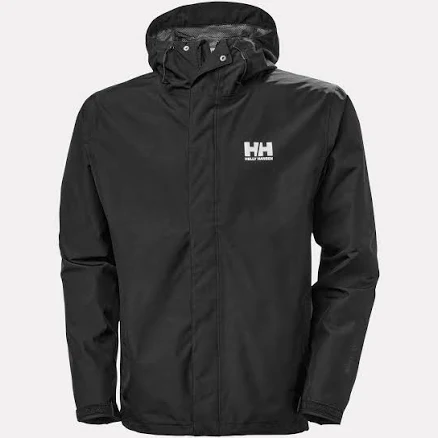
Helly Hansen Men's Seven J Jacket
No PFAS disclosure; water-repellent coating treatment raises concern without specifics.
Helly Hansen makes quality outerwear but provides no public information about PFAS use in this jacket's water-repellent coating. water-repellent coating-treated apparel commonly uses PFAS; brand silence limits confidence in safety.
Still want this one anyway? Check the price on Amazon. We’d swap it.
Material
Polyester blend with water-repellent coating water-repellent finish
Lab data
No public lab test
You may also be interested in
Top-graded picks in the categories readers replace first, every one scored on the same rubric.

- polypropylene filter housing, carbon/sediment cartridge
- We found no PFAS statement from the brand
- Bacterial growth in spent cartridges
3 hazards checked on this product, all on its full breakdown.

Aquasure
Premier Series 75 GPD Under Sink Reverse Osmosis Water Filtration System
- RO membrane, carbon filters, stainless steel housing
- We found no PFAS statement from the brand
- Bacterial and microbial growth in housing and filters
4 hazards checked on this product, all on its full breakdown.

Avocado
Vegan Mattress
- organic cotton, natural latex, coconut coir, recycled steel coils
- The brand calls it PFAS-free, which we have not verified
- Heavy metals
2 hazards checked on this product, all on its full breakdown.
What Helly Hansen Men's Seven J Jacket is made of, ingredients and materials
The Seven J is a polyester blend jacket with a water-repellent coating (water-repellent coating) finish applied to the outer fabric. water-repellent coating coatings are designed to shed water without blocking breathability, but the specific chemistry is unknown here. Polyester itself is stable and not a primary concern, but the water-repellent coating treatment is the critical variable. Without manufacturer disclosure of the finishing agent, you cannot rule out fluorinated compounds (PFAS-based) or other persistent treatments used in rain jacket production.
What’s concerning
Waterproof / stain-resistant treatment
Water-repellent coating treatments have historically used PFAS.
Category baseline
The starting point for this type of product, before anything specific to this product is counted.
No PFAS disclosure
No public statement from the brand about PFAS in this product.
water-repellent coating composition (fluorinated or non-fluorinated unknown)
Helly Hansen does not disclose whether the Seven J uses PFAS-based or alternative water-repellent coating chemistry. Fluorinated treatments are common in this category and persist in fabric and can migrate; non-fluorinated options are available but not confirmed here.
Microfiber shedding from degraded coating
As the water-repellent coating finish ages or is damaged, the jacket may shed microfibers. If the coating is fluorinated, these fibers could carry PFAS residues into wash water and soil. Care and inspection can minimize shedding, but the hazard depends on finish durability and composition.
What’s reassuring
Azo dyes in polyester
No specific reports of restricted azo dyes (which can break down to carcinogenic amines) in Helly Hansen outerwear. Polyester jackets are generally low-risk for azo dye contamination compared to textiles with natural fibers, but independent testing of this model is not on record.
Formaldehyde / VOCs
Polyester blends sometimes receive formaldehyde-based resins for wrinkle resistance or shape-holding; Helly Hansen does not specify the use of such treatments on the Seven J. No public recalls or complaints related to formaldehyde off-gassing from this jacket exist.
Source, ATSDR ↗Heavy metals
Polyester jackets can contain trace metals (antimony, lead, cadmium) in pigments, particularly in dark colors. No independent testing or recalls for the Seven J in particular are documented. Risk is generally low for standard polyester but not systematically disclosed by the manufacturer.
Source, FDA ↗How is this PFAS grade calculated?
The brand's record and disclosure
Helly Hansen does not publicly disclose the composition of its water-repellent coating treatments or provide PFAS-free certifications on typical product lines. The brand has not faced major public recalls or controversies specific to chemical hazards in outerwear, but its silence on water-repellent chemistry is consistent with industry-wide lack of transparency. No independent testing of this model or brand for PFAS or heavy metals in dyes is on public record. Certification bodies (Bluesign, GOTS) are not mentioned in product documentation.
How it compares in its category
Rain jackets in this price and performance tier typically use either fluorinated or fluorine-free water-repellent coating finishes; Helly Hansen's standard practice is unknown without explicit labeling. Brands such as Patagonia and Arc'teryx now offer fluorine-free water-repellent coating options and publish technical details; Helly Hansen has not adopted this transparency standard. The Seven J occupies the middle market, where water-repellent coating disclosure is sparse across competitors. Polyester blend is standard and less problematic than PVC alternatives, but more so than natural fiber jackets.
If you buy it
Wash separately in cold water with minimal detergent to preserve the water-repellent coating finish and avoid chemical concentration. Avoid machine drying on high heat; air dry or use low heat, as polyester blends can degrade and potentially off-gas if overheated. Reapply commercial water-repellent coating treatments only as needed (every 1-2 seasons or when beading stops), and follow product instructions carefully. Do not bleach or use harsh solvents. If the jacket experiences visible coating damage or peeling, discontinue use to prevent microfiber shedding and potential inhalation of finishing agents.
What is not known about PFAS in this product?
- Basis
- Model estimate, 45% confidence, not a lab result
- Lab test
- None on record for this exact product
- Brand statement
- Helly Hansen has made a specific claim
Formulations change between production runs, so check the current label. How we grade.
More rain jackets grades
How we score, every product runs through the same public 0-100 rubric based on materials, coatings, brand disclosure, lab findings, and recalls. See the full methodology → Spotted a mistake? Report an error.