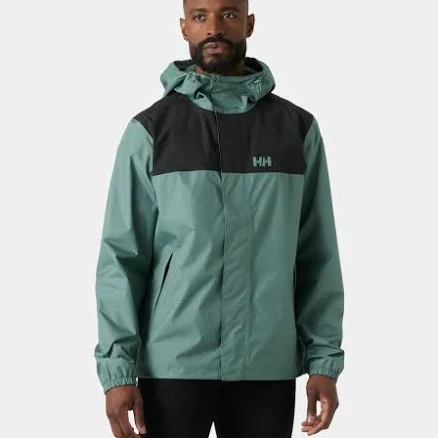
Helly Hansen Vancouver Rain Jacket
water-repellent coating on this rain jacket may contain PFAS, with no brand disclosure available.
The Vancouver jacket has a water-repellent coating whose chemistry is not stated. water-repellent coating treatments have historically used PFAS. Helly Hansen has no PFAS statement on record for this product, and no testing or certification is available.
Still want this one anyway? Check the price on Amazon. We’d swap it.
Material
polyester with water-repellent coating (water-repellent coating) coating
Lab data
No public lab test
You may also be interested in
Top-graded picks in the categories readers replace first, every one scored on the same rubric.

- polypropylene filter housing, carbon/sediment cartridge
- We found no PFAS statement from the brand
- Bacterial growth in spent cartridges
3 hazards checked on this product, all on its full breakdown.

Aquasure
Premier Series 75 GPD Under Sink Reverse Osmosis Water Filtration System
- RO membrane, carbon filters, stainless steel housing
- We found no PFAS statement from the brand
- Bacterial and microbial growth in housing and filters
4 hazards checked on this product, all on its full breakdown.

Avocado
Vegan Mattress
- organic cotton, natural latex, coconut coir, recycled steel coils
- The brand calls it PFAS-free, which we have not verified
- Heavy metals
2 hazards checked on this product, all on its full breakdown.
What Helly Hansen Vancouver Rain Jacket is made of, ingredients and materials
The Vancouver jacket is polyester with a water-repellent coating (water-repellent coating) coating applied to the outer layer. Polyester itself is a stable synthetic polymer with low direct toxicity risk, but the water-repellent coating finish is the concern, most commercial water-repellent coating coatings historically relied on PFAS (PFAS "forever chemicals") for water and stain resistance, though some brands have shifted to PFAS-free alternatives. Helly Hansen has not publicly disclosed which chemistry they use in this specific product, leaving the water-repellent coating composition uncertain.
What’s concerning
Waterproof / stain-resistant treatment
Water-repellent coating treatments have historically used PFAS.
Category baseline
The starting point for this type of product, before anything specific to this product is counted.
No PFAS disclosure
No public statement from the brand about PFAS in this product.
Formaldehyde / VOCs
Polyester textiles sometimes receive formaldehyde-based resins for wrinkle resistance or crease retention during manufacture and shipping. Helly Hansen does not explicitly exclude formaldehyde chemistry. Washing before wear and adequate drying reduce any off-gassing.
Source, ATSDR ↗Antimony catalyst residues in polyester
Polyester production may use antimony trioxide as a catalyst; trace residues can remain. No brand-specific data exists for the Vancouver jacket. Antimony migration into skin contact is rare under normal wear but possible if the jacket is damaged or left in contact with sweat for prolonged periods.
water-repellent coating durability and degradation
Water-repellent coating coatings predictably degrade with washing and wear, releasing micro-scale coating particles and potentially any embedded chemical additives. This is inherent to rain jackets and not unique to Helly Hansen, but consumers should expect 1-3 years of peak water repellency before reapplication or replacement.
What’s reassuring
Azo dyes in polyester
Helly Hansen does not have a documented history of azo-dye violations in their apparel line. However, no specific testing data for this jacket model is publicly available, so residual risk remains low but not zero for imported polyester textiles.
Flame retardants
This is a casual rain jacket, not marketed as flame-resistant, so intentional flame retardant treatment is unlikely. However, no explicit confirmation from the brand rules out residual bromine or phosphorus compounds from fiber recycling or supplier inventory carryover.
Source, EPA ↗How is this PFAS grade calculated?
The brand's record and disclosure
Helly Hansen is a major workwear and sportswear brand but has maintained relative silence on PFAS phase-out commitments compared to outdoor peers like The North Face or Patagonia. The company has not published substantive sustainability reports detailing flame retardant or water-repellent coating chemistry across their line. No major recalls or hazard advisories specific to this model are on public record. This lack of transparency is a yellow flag for consumers seeking chemical accountability.
How it compares in its category
Most mainstream rain jackets in this price range use water-repellent coating coatings of unclear chemistry. Premium outdoor brands (Arc'teryx, Outdoor Research) increasingly disclose PFAS-free water-repellent coating or phase-out timelines; budget brands rarely do. Helly Hansen sits in the middle market without strong differentiation on chemical safety. If PFAS exposure is a priority, seeking brands with explicit PFAS-free certifications (e.g.certifications (Bluesign, Oeko-Tex Step) would indicate lower concern.
If you buy it
Wash before first wear to remove residual chemical residues from manufacturing. Use cool or warm water (not hot) and avoid fabric softeners, which can degrade water repellency. Air dry; tumble dryers can damage the water-repellent coating. Expect water-repellent coating effectiveness to diminish after 50-100 washes; reapplication products exist but are themselves chemical treatments. Store in a dry place to prevent mildew and extend garment life. If you are pregnant, nursing, or highly concerned about PFAS bioaccumulation, contact the brand directly to request water-repellent coating chemistry documentation before purchase.
What is not known about PFAS in this product?
- Basis
- Model estimate, 45% confidence, not a lab result
- Lab test
- None on record for this exact product
- Brand statement
- Helly Hansen has made a specific claim
Formulations change between production runs, so check the current label. How we grade.
More rain jackets grades
How we score, every product runs through the same public 0-100 rubric based on materials, coatings, brand disclosure, lab findings, and recalls. See the full methodology → Spotted a mistake? Report an error.