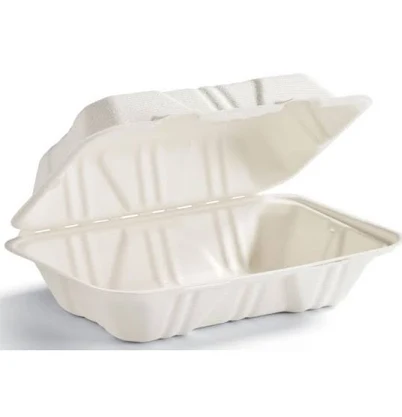
Huhtamaki · Disposable Food Containers
Huhtamaki 68002 Hinged Food Container 6" X 9" X 3
Grease-resistant coating raises concern without brand transparency.
Huhtamaki hinged containers use grease-resistant treatment typical of food packaging. No public PFAS claims or third-party testing exist, and coating chemistry stays unspecified.
The better-graded swap
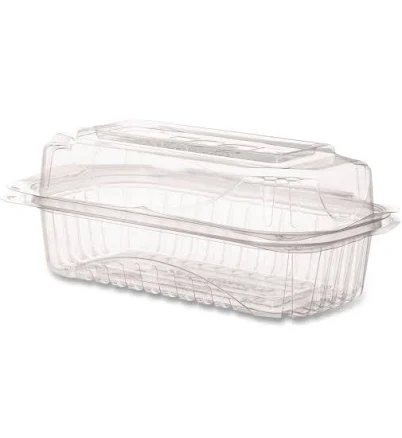
Eco-Products
Eco-Products Compostable Clear Clamshell Hinged Food
100/100 safety
Same rubric that flunked this product. The swap earned Excellent.
Still want this one anyway? Check the price on Amazon. We’d swap it.
Material
Molded fiber with grease-resistant coating
Brand disclosure
Brand is silent on PFAS
Lab data
No public lab test
You may also be interested in
Top-graded picks in the categories readers replace first, every one scored on the same rubric.

- polypropylene filter housing, carbon/sediment cartridge
- We found no PFAS statement from the brand
- Bacterial growth in spent cartridges
3 hazards checked on this product, all on its full breakdown.

Aquasure
Premier Series 75 GPD Under Sink Reverse Osmosis Water Filtration System
- RO membrane, carbon filters, stainless steel housing
- We found no PFAS statement from the brand
- Bacterial and microbial growth in housing and filters
4 hazards checked on this product, all on its full breakdown.

Avocado
Vegan Mattress
- organic cotton, natural latex, coconut coir, recycled steel coils
- The brand calls it PFAS-free, which we have not verified
- Heavy metals
2 hazards checked on this product, all on its full breakdown.
What Huhtamaki 68002 Hinged Food Container is made of, ingredients and materials
This container is molded fiber (pressed paper pulp), a common food-service material chosen for its compostability and structural strength. The grease-resistant coating applied to the interior is the functional but chemically obscure component, these coatings typically resist fats through either fluorinated compounds (PFAS-based) or newer non-fluorinated alternatives, but Huhtamaki has not publicly disclosed which type they use in this product. The lack of transparency is the core concern here.
What’s concerning
Category baseline
The starting point for this type of product, before anything specific to this product is counted.
No PFAS disclosure
No public statement from the brand about PFAS in this product.
Waterproof / stain-resistant treatment
Water-repellent coating treatments have historically used PFAS.
PFAS
The coating type is undisclosed; fluorinated grease-resistant coatings in molded fiber are known to sometimes contain PFAS (especially older formulations). No recall or test result exists for this product, but the lack of brand transparency elevates concern.
Source, ATSDR ↗Coating degradation and migration with heat/fat
Molded fiber coatings can break down when exposed to hot or oily foods, potentially releasing coating particulates or residual monomers into food. Risk increases above 140F (60C) and with prolonged contact with fats or acidic foods.
Microplastics
As the grease-resistant layer degrades over time or with use, small particles may shed into food. If the coating contains synthetic polymers or resins, these particles cannot be easily identified or removed by consumers.
Source, EPA ↗What’s reassuring
Bleach and chemical residues from manufacturing
Molded fiber manufacturing involves pulping and bleaching; no published contamination has been detected in Huhtamaki containers, but certification to food-contact standards (FDA CFR 21) is assumed, not verified by independent testing.
Formaldehyde / VOCs
Molded fiber containers sometimes use formaldehyde-based binders; Huhtamaki has not disclosed whether this product contains formaldehyde-free adhesives. Direct food contact risk is low but off-gassing may occur in warm, enclosed conditions.
Source, ATSDR ↗How is this PFAS grade calculated?
The brand's record and disclosure
Huhtamaki is a major global food-packaging manufacturer with some sustainability messaging, but the company has remained silent on PFAS in their grease-resistant coatings. No public commitment to phasing out fluorinated compounds, no certification (like GreenScreen), and no third-party testing data available for this specific SKU. This silence during industry-wide scrutiny of PFAS in food contact coatings is a red flag for precaution.
How it compares in its category
Molded fiber hinged containers are lower-risk than plastic takeout boxes (which may leach BPA or phthalates when warm) but higher-risk than uncoated paper or containers from brands that openly use PFAS-free coatings. Competitors like Footprint and some regional suppliers now advertise PFAS-free grease barriers; Huhtamaki's silence suggests they may still use legacy fluorinated formulations.
If you buy it
Use for room-temperature or cool foods whenever possible (avoid hot, fatty, or acidic foods in direct contact with the coating). Do not microwave. Replace containers every 2-3 years or sooner if you notice coating degradation, whitening, or peeling. If environmental/health concerns matter to you, prioritize competitors with documented PFAS-free certifications or contact Huhtamaki directly to request coating composition data.
What is not known about PFAS in this product?
- Basis
- Model estimate, 45% confidence, not a lab result
- Lab test
- None on record for this exact product
- Brand statement
- Huhtamaki has made none
Formulations change between production runs, so check the current label. How we grade.
What are the PFAS-free alternatives to Huhtamaki 68002 Hinged Food Container 6" X 9" X 3?
Eco-Products
Compostable Clear Clamshell Hinged Food
- Compostable resin (PLA/PBAT blend, plant-based)
- A third party reports verifying it as PFAS-free
- Thermal degradation and chemical release at use temperatures
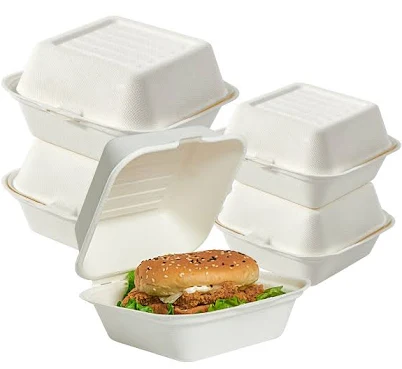
- Sugarcane bagasse (compostable fiber)
- We found no PFAS statement from the brand
- Bleaching agents and residual processing chemicals
3 hazards checked on this product, all on its full breakdown.
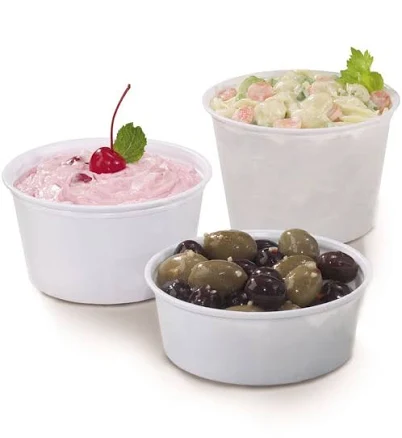
- polypropylene (PP) container, uncoated
- We found no PFAS statement from the brand
- Microplastics
2 hazards checked on this product, all on its full breakdown.
More disposable food containers grades
How we score, every product runs through the same public 0-100 rubric based on materials, coatings, brand disclosure, lab findings, and recalls. See the full methodology → Spotted a mistake? Report an error.