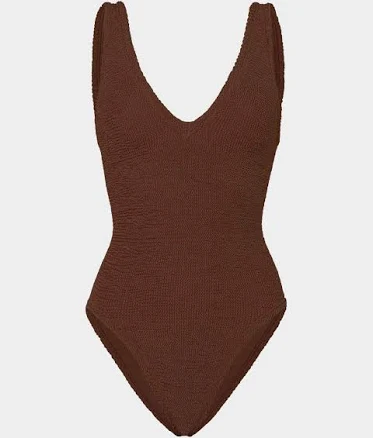
Hunza G Sadie Swimsuit
Avoid until brand discloses water-repellent coating chemistry, likely PFAS but unverified.
Hunza G's premium nylon swimsuit features water-repellent finish typical of high-end brands, though the brand witholds information on water-repellent coating chemistry. Most traditional finishes relied on PFAS.
The better-graded swap
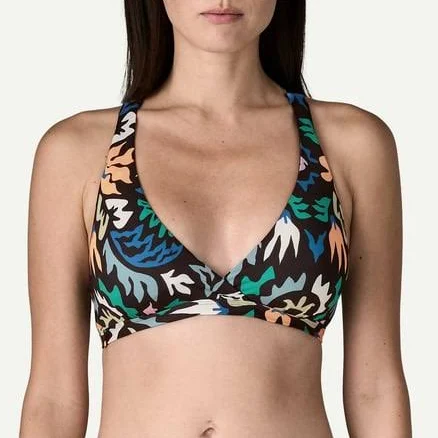
Patagonia
Patagonia Women's Bottom Turn Racerback Bikini Top
90/100 safety
Same rubric that flunked this product. The swap earned Excellent.
Still want this one anyway? Check the price on Amazon. We’d swap it.
Material
Nylon blend with water-repellent coating (water-repellent coating) finish
Brand disclosure
Brand is silent on PFAS
Lab data
No public lab test
What Hunza G Sadie Swimsuit is made of, ingredients and materials
The Sadie is constructed from nylon blended fabric with a water-repellent coating (water-repellent coating) finish applied to the surface. water-repellent coating coatings on swimwear are typically fluorochemical-based, meaning PFAS compounds are likely present to achieve water beading and quick-dry performance. Nylon itself is stable and does not leach monomers at body temperature, but the applied finish is the chemical concern here.
What’s concerning
Category baseline
The starting point for this type of product, before anything specific to this product is counted.
No PFAS disclosure
No public statement from the brand about PFAS in this product.
Waterproof / stain-resistant treatment
Water-repellent coating treatments have historically used PFAS.
PFAS
Nylon swimwear with fluorochemical water repellency is a material linked to PFAS; Hunza G's complete lack of disclosure or third-party verification means the specific compound remains unknown.
Source, ATSDR ↗Microfiber shedding from nylon
Nylon fabrics shed microfibers with wear and washing; this is not exclusive to Hunza G but is inherent to the material class and contributes to aquatic microplastic contamination.
Coating degradation and leaching
As the water-repellent coating finish ages and breaks down from UV exposure, chlorine, salt, and washing, polymer fragments and any residual unbound chemicals may increase in water runoff or skin contact over the product lifetime.
What’s reassuring
Azo dyes in colored variants
No specific evidence of restricted azo dyes or heavy metal contamination in Hunza G colorants has been documented, but the brand does not provide dye chemistry or testing data.
Formaldehyde / VOCs
Nylon does not typically require formaldehyde-based curing resins; no known use of formaldehyde finishes in this product class or brand has been reported.
Source, ATSDR ↗The full breakdown
The brand's record and disclosure
Hunza G does not publicly disclose the specific chemistry of its water-repellent coating treatment or provide transparency on PFAS presence. No third-party certifications (such as OEKO-TEX or GOTS) have been identified for this product line. The brand's silence on a widely documented PFAS concern in water-repellent apparel suggests either lack of testing or unwillingness to communicate results, both of which should raise caution in consumers seeking alternatives with lower concern.
How it compares in its category
Most conventional swimwear uses fluorinated water-repellent coating finishes; Hunza G is typical in this regard and not an outlier for risk. Some premium brands (like Patagonia) offer PFAS-free alternatives using wax or silicone-based water repellency, though these require more frequent reapplication. Budget and fast-fashion swimwear often skip water-repellent coating entirely, eliminating this specific hazard but offering less performance durability.
If you buy it
Wash separately from other clothes to minimize microfiber and residual chemical shedding into your home water system. Air-dry flat or line-dry to avoid heat damage to the nylon and coating; tumble drying may accelerate coating degradation and chemical release. Replace within 2-3 seasons or when the water-repellent performance visibly declines (fabric no longer beads water), as aging finishes may shed particulates. Rinse thoroughly after each saltwater or chlorine use to reduce chemical concentration on the fabric surface.
What we don’t know
- Basis
- Model estimate, 45% confidence, not a lab result
- Lab test
- None on record for this exact product
- Brand statement
- Hunza G has made none
Formulations change between production runs, so check the current label. How we grade.
Better-graded alternatives in Swimwear
Patagonia
Women's Bottom Turn Racerback Bikini Top
- Nylon/polyester blend with elastane (standard swimwear)
- The brand calls it PFAS-free, which we have not verified
- Elastane (spandex) degradation under heat or chlorine
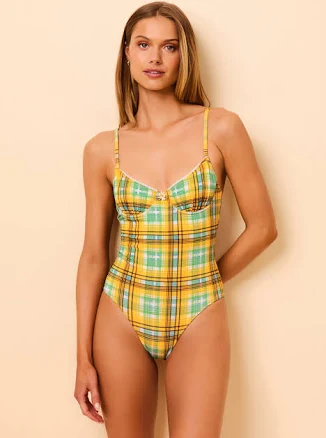
Solid & Striped
Taylor One Piece Seersucker Plaid
- Cotton/cotton-blend seersucker plaid
- We found no PFAS statement from the brand
- Azo dyes and colorfast stability
2 hazards checked on this product. See all of them.
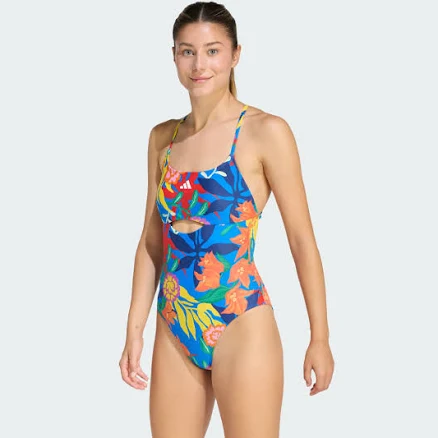
Adidas
Women's Mexicana Florals Tie-Back Swimsuit
- Polyester/nylon swimsuit fabric, likely uncoated or standard finish
- Azo dyes and synthetic colorants
4 hazards checked on this product. See all of them.
More swimwear grades
How we score, every product runs through the same public 0-100 rubric based on materials, coatings, brand disclosure, lab findings, and recalls. See the full methodology → Spotted a mistake? Report an error.