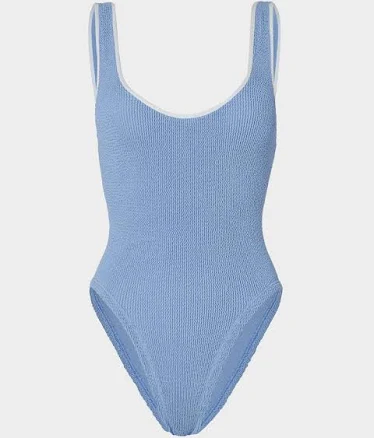
Hunza G Women's Faye One Piece Swimsuit
Elevated PFAS risk from likely fluorinated water-repellent coating finish; brand offers no details.
Hunza G's luxury nylon swimsuit uses water-repellent coating treatment for quick-dry performance, yet provides no transparency on whether PFAS is involved. Historically, water-repellent coating finishes relied on fluorinated chemistry.
The better-graded swap
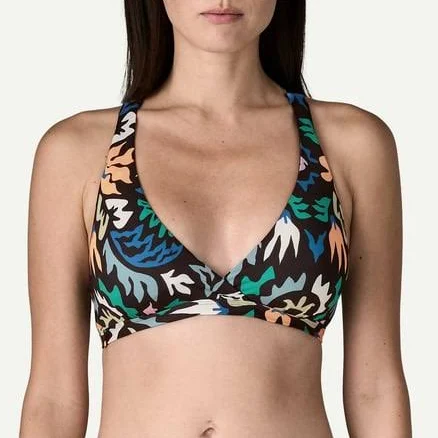
Patagonia
Patagonia Women's Bottom Turn Racerback Bikini Top
90/100 safety
Same rubric that flunked this product. The swap earned Excellent.
Still want this one anyway? Check the price on Amazon. We’d swap it.
Material
Nylon/polyamide blend with water-repellent coating treatment
Brand disclosure
Brand is silent on PFAS
Lab data
No public lab test
What Hunza G Women's Faye One Piece Swimsuit is made of, ingredients and materials
This swimsuit is nylon/polyamide blended with a water-repellent coating (water-repellent coating) finish. The nylon base is a synthetic polymer with low inherent toxicity when kept intact. The water-repellent coating is the risk factor, these finishes are traditionally applied using fluorinated chemicals (PFAS), which can leach into water and persist indefinitely in the environment and human body. Hunza G provides no transparency on whether their water-repellent coating uses fluorinated or fluorine-free chemistry.
What’s concerning
Category baseline
The starting point for this type of product, before anything specific to this product is counted.
No PFAS disclosure
No public statement from the brand about PFAS in this product.
Waterproof / stain-resistant treatment
Water-repellent coating treatments have historically used PFAS.
Degradation of nylon base material over time
Nylon itself does not leach toxic compounds when intact, but chlorine, UV exposure, and heat can degrade the polymer chains and accelerate breakdown of the water-repellent coating. Degradation increases the surface area available for any fluorinated finish to shed into water.
water-repellent coating finish degradation and shedding
If the water-repellent coating finish is fluorinated (fluorocarbon-based), washing and wear will cause gradual loss of the coating, releasing PFAS compounds into rinse water and the home wastewater system. Standard care reduces but does not eliminate this exposure over the swimsuit's lifetime.
What’s reassuring
Azo dyes in synthetic textiles
No public record of azo dye use or restrictions in Hunza G swimwear. Nylon dyeing can employ azo chemistry, but the brand provides no material safety data sheet or certifications to assess this. Consider a non-concern unless the product smells strongly chemical after purchase.
Heavy metals
No recalls or public testing data on cadmium, lead, or other heavy metals in Hunza G colorants. The risk is low for modern nylon swimwear in countries with EU or US color additive oversight, but unverified given brand silence.
Source, FDA ↗Formaldehyde / VOCs
Modern nylon swimwear rarely uses formaldehyde-releasing resins for wrinkle resistance or sizing, as these are more common in cotton and blended apparel. No public data suggests Hunza G employs such finishes.
Source, ATSDR ↗The full breakdown
The brand's record and disclosure
Hunza G is a luxury swimwear brand with no publicly available disclosures on chemical composition, water-repellent coating treatment type, or environmental certifications. The brand has not published responses to PFAS inquiries or sustainability commitments regarding water-repellent finishes. No recalls or safety violations are on record for this product line. The silence on water-repellent coating chemistry is notable given industry awareness of PFAS risks since at least 2018.
How it compares in its category
Most premium swimwear brands (Speedo, Arena, TYR) also use fluorinated water-repellent coating without disclosure; Hunza G is not unique in this opacity. A small number of brands now offer PFAS-free water-repellent alternatives or use mechanical weaving to avoid coatings altogether. Hunza G's price point positions it as luxury fashion rather than performance/eco-conscious swimwear, and disclosure standards in that segment are generally lower.
If you buy it
Rinse the swimsuit in cool fresh water after each ocean or chlorinated pool use to minimize salt/chlorine degradation and potential leaching of finish. Wash separately by hand or delicate machine cycle in mild detergent; avoid hot water, bleach, and fabric softeners, which degrade nylon and coatings. Air dry completely away from direct heat and sunlight. Replace when the material becomes thin, pilling occurs, or water-repellent coating visibly breaks down (water no longer beads). Expect 1-2 years of regular use before replacement is justified.
What we don’t know
- Basis
- Model estimate, 45% confidence, not a lab result
- Lab test
- None on record for this exact product
- Brand statement
- Hunza G has made none
Formulations change between production runs, so check the current label. How we grade.
Better-graded alternatives in Swimwear
Patagonia
Women's Bottom Turn Racerback Bikini Top
- Nylon/polyester blend with elastane (standard swimwear)
- The brand calls it PFAS-free, which we have not verified
- Elastane (spandex) degradation under heat or chlorine
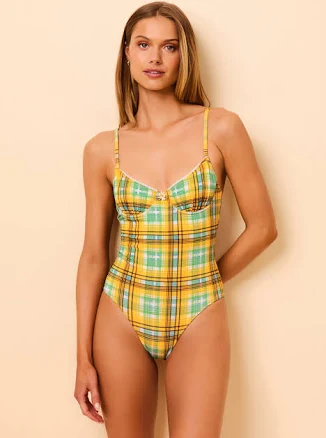
Solid & Striped
Taylor One Piece Seersucker Plaid
- Cotton/cotton-blend seersucker plaid
- We found no PFAS statement from the brand
- Azo dyes and colorfast stability
2 hazards checked on this product. See all of them.
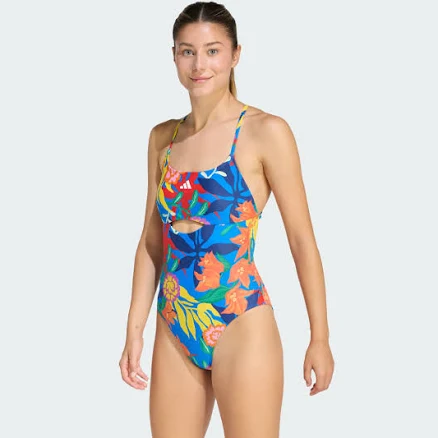
Adidas
Women's Mexicana Florals Tie-Back Swimsuit
- Polyester/nylon swimsuit fabric, likely uncoated or standard finish
- Azo dyes and synthetic colorants
4 hazards checked on this product. See all of them.
More swimwear grades
How we score, every product runs through the same public 0-100 rubric based on materials, coatings, brand disclosure, lab findings, and recalls. See the full methodology → Spotted a mistake? Report an error.