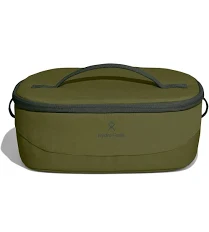
Hydro Flask Carry Out Lunch Box
Lower concern; stainless steel and plastic are not associated with PFAS materials.
Hydro Flask lunch box uses stainless steel and plastic construction with no applied water-repellent coatings reported. Brand discloses nothing about PFAS, but core materials carry lower risk than treated textiles or nonstick coatings.
We flunk more products than we pass. This one earned its grade. How we grade
Material
stainless steel exterior, plastic/polypropylene interior
Lab data
No public lab test
What Hydro Flask Carry Out Lunch Box is made of, ingredients and materials
The Carry Out Lunch Box uses 18/8 stainless steel for the exterior shell and polypropylene (PP, #5 plastic) for the interior food-contact surfaces. Stainless steel does not leach metals under normal food storage conditions and is chemically inert. Polypropylene is a rigid, non-softening thermoplastic that does not contain BPA, BPS, or phthalates by chemical definition, and does not degrade or leach into food when stored at room temperature or moderately warmed food.
What’s concerning
Category baseline
The starting point for this type of product, before anything specific to this product is counted.
No PFAS disclosure
No public statement from the brand about PFAS in this product.
Bacterial or mold growth in seals and gaskets
Insulated lunch boxes with multiple seals and compartments can trap moisture if not fully dried after washing. This is a maintenance issue, not a material flaw, and is mitigated by hand-drying all interior surfaces and seals before storage.
Polypropylene fatigue and microplastic migration with repeated heating
Polypropylene can soften and degrade slightly if used repeatedly for very hot foods near boiling temperature. No established risk at normal lunch-box use (warm, not actively heated foods), but prolonged exposure to high heat may increase microplastic particle shedding over years.
What’s reassuring
Base material not linked to PFAS
The main material recorded for this product is not one associated with PFAS.
Seal material composition and durability
Hydro Flask does not publicly specify the elastomer or silicone type used in gaskets and seals. No contamination or degradation incidents are documented, but long-term seal performance (5+ years) depends on care and storage conditions not disclosed by the brand.
Lead
Food-grade stainless steel (18/8) is not a known source of lead or cadmium leaching. No testing data from Hydro Flask is public, but this material class is not associated with heavy metal migration in typical use.
Source, ATSDR ↗BPA & bisphenols
Polypropylene (#5 plastic) does not contain BPA or phthalates by chemical composition. The Carry Out Lunch Box interior is polypropylene, not polycarbonate or vinyl, eliminating this hazard class.
Source, FDA ↗The full breakdown
The brand's record and disclosure
Hydro Flask has not published detailed material sourcing, coating composition, or third-party safety certifications for this product. The brand maintains a public sustainability and materials page but does not disclose manufacturing testing data or supply-chain audits. No recalls, safety complaints, or documented contamination incidents have been recorded for this lunch box model in public databases. Hydro Flask's parent company Helen of Troy has faced consumer litigation on unrelated products but not on this item.
How it compares in its category
Stainless steel lunch containers are generally lower hazard than plastic-only or ceramic lunch boxes because they do not rely on glazes, enamels, or coatings that may contain lead, cadmium, or Teflon-type coating. Polypropylene interiors are more chemically stable than polycarbonate or unspecified plastics. Most competitors in the insulated lunch box category (Bentgo, Sistema, L.L.Bean) use similar polypropylene or PP-blend liners, making this product materially typical for its category and price tier.
If you buy it
Hand-wash rather than dishwasher to avoid aggressive detergent interaction with seals and plastic surfaces over years of use. Do not store hot foods (above 60 degrees Celsius) for extended periods, as polypropylene softening point is around 100 degrees Celsius but prolonged heat exposure can accelerate plastic fatigue. Replace the lunch box if the interior plastic shows cloudiness, cracks, or permanent deformation. Clean seals and gaskets after each use to prevent bacterial or mold growth in damp conditions.
What we don’t know
- Basis
- Model estimate, 72% confidence, not a lab result
- Lab test
- None on record for this exact product
- Brand statement
- Hydro Flask has made a specific claim
Formulations change between production runs, so check the current label. How we grade.
Better-graded alternatives in Lunch Boxes
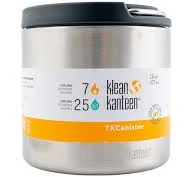
Klean Kanteen
Double Wall Vacuum Insulated Stainless Steel Food Canister Container with Leak Proof Lid
- Stainless steel body, silicone gasket lid seal
- The brand calls it PFAS-free, which we have not verified
- Silicone gasket degradation
3 hazards checked on this product. See all of them.
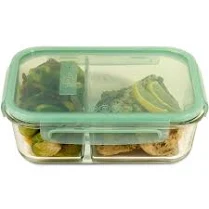
Snapware
Meal Box Glass
- borosilicate glass
- We found no PFAS statement from the brand
- Leaching from glass matrix or lid seals
2 hazards checked on this product. See all of them.
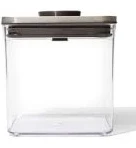
OXO
Steel Pop Big Square Short - 2.8 Qt/2.6 l
- Stainless steel container, no surface treatment
- Lid/gasket polymer leaching
3 hazards checked on this product. See all of them.
More lunch boxes grades
How we score, every product runs through the same public 0-100 rubric based on materials, coatings, brand disclosure, lab findings, and recalls. See the full methodology → Spotted a mistake? Report an error.