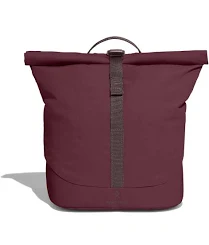
Hydro Flask Carryout Lunch Rolltop
Lower concern food container; no known PFAS-prone materials.
Hydro Flask's Carryout lunch bag uses standard nylon and polyester fabrics without disclosed water-repellent treatment. No PFAS claims or third-party verification available.
We flunk more products than we pass. This one earned its grade. How we grade
Material
Nylon fabric, polyester lining, plastic hardware
Lab data
No public lab test
What Hydro Flask Carryout Lunch Rolltop is made of, ingredients and materials
The Carryout Lunch Rolltop is constructed from nylon fabric exterior with a polyester lining and plastic hardware (zippers, clips, seals). Nylon and polyester are synthetic polymers that do not inherently leach toxic compounds into food when used at room temperature, unlike some ceramics or certain plastics. The plastic hardware and zippers are the primary contact points with food; polyester lining is a known low-migration material in food storage contexts. No chemical coatings, adhesives, or finishes are documented on this model that would introduce lead, cadmium, BPA, or volatile organics.
What’s concerning
Category baseline
The starting point for this type of product, before anything specific to this product is counted.
No PFAS disclosure
No public statement from the brand about PFAS in this product.
Polyester microplastic shedding from lining
Polyester linings can shed fibers when abraded by ice packs, utensils, or repeated flexing. No testing on this specific model is on record; risk is material-class typical for all soft-sided insulated bags and scales with use intensity.
Mold and bacterial growth in fabric/lining
The nylon exterior and polyester lining absorb moisture. If not dried thoroughly after washing or if stored damp, fungal growth can occur in the seams and fabric layers. This is a maintenance issue, not a manufacturing defect, but is common in textile food containers.
What’s reassuring
Base material not linked to PFAS
The main material recorded for this product is not one associated with PFAS.
Heavy metals
No lead, cadmium, or antimony contamination has been reported in Hydro Flask hardware or nylon dyes. This is consistent with modern US plastic and textile manufacturing standards, but third-party testing of this specific batch is not publicly available.
Source, FDA ↗Formaldehyde / VOCs
Nylon used in Hydro Flask products is not documented to use formaldehyde resins or banned azo dyes. Industry practice for food-contact textiles favors low-formaldehyde or free-formaldehyde finishes, but the brand does not disclose supplier certifications.
Source, ATSDR ↗Adhesive or solvent residues in seams
No volatile organic compound (VOC) off-gassing or adhesive outgassing has been reported for this product. Seams appear to be stitched rather than glued, which reduces VOC risk compared to welded or adhesive-sealed liners.
The full breakdown
The brand's record and disclosure
Hydro Flask is owned by Helen of Troy and has built reputation in insulated drinkware and food storage. The brand does not publicly disclose specific chemical testing, material sourcing certifications, or third-party safety audits for lunch containers. No recalls, safety investigations, or documented chemical complaints are on record for this product line. The company maintains silent stance on PFAS use in fabric treatments or water-resistance coatings, which is typical for soft goods manufacturers but limits transparency.
How it compares in its category
Soft-sided insulated lunch containers in this price tier commonly use nylon and polyester without documented hazards. This product sits mid-range, more durable than unlined canvas bags, less comprehensive than stainless-steel rigid lunch boxes with multiple seals. Competitors like Yeti Hopper and L.L.Bean soft coolers use similar material compositions. The main differentiator is insulation quality and closure design, not chemical safety profile.
If you buy it
Hand wash with mild soap and warm water; do not machine wash or submerge zippers for extended periods. Keep away from direct heat sources (ovens, dishwashers, boiling water) as polyester can degrade above 80-100°C. Inspect zippers and seams annually for wear; replace if seals separate or fabric tears, as this compromises food isolation. Store dry in a cool place to prevent mold growth in the lining, especially if used for damp foods or ice packs.
What we don’t know
- Basis
- Model estimate, 72% confidence, not a lab result
- Lab test
- None on record for this exact product
- Brand statement
- Hydro Flask has made a specific claim
Formulations change between production runs, so check the current label. How we grade.
Better-graded alternatives in Lunch Boxes
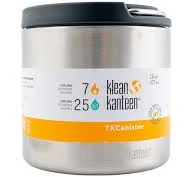
Klean Kanteen
Double Wall Vacuum Insulated Stainless Steel Food Canister Container with Leak Proof Lid
- Stainless steel body, silicone gasket lid seal
- The brand calls it PFAS-free, which we have not verified
- Silicone gasket degradation
3 hazards checked on this product. See all of them.
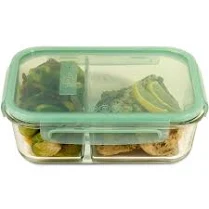
Snapware
Meal Box Glass
- borosilicate glass
- We found no PFAS statement from the brand
- Leaching from glass matrix or lid seals
2 hazards checked on this product. See all of them.
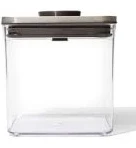
OXO
Steel Pop Big Square Short - 2.8 Qt/2.6 l
- Stainless steel container, no surface treatment
- Lid/gasket polymer leaching
3 hazards checked on this product. See all of them.
More lunch boxes grades
How we score, every product runs through the same public 0-100 rubric based on materials, coatings, brand disclosure, lab findings, and recalls. See the full methodology → Spotted a mistake? Report an error.