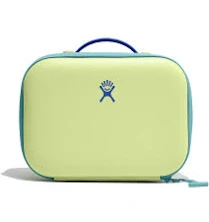
Hydro Flask Kids Insulated Lunch Box
Lower concern; no PFAS-related disclosures found for this model.
Hydro Flask lunch boxes use stainless steel and plastic construction with no known PFAS treatments. Brand provides no PFAS claims or certifications; internal liners warrant verification before purchase.
We flunk more products than we pass. This one earned its grade. How we grade
Material
stainless steel body, plastic lid and lining
Lab data
No public lab test
What Hydro Flask Kids Insulated Lunch Box is made of, ingredients and materials
The Hydro Flask Kids Lunch Box has a stainless steel exterior shell, which does not leach metals or degrade into food under normal use. The lid and interior lining are plastic polymers; their identity (polypropylene, polyethylene, or other) is not always disclosed by the brand. Stainless steel is considered a stable, non-reactive food-contact surface, but the plastic components are where chemical migration risk concentrates, especially if the box is filled with warm foods or left in heat.
What’s concerning
Category baseline
The starting point for this type of product, before anything specific to this product is counted.
No PFAS disclosure
No public statement from the brand about PFAS in this product.
BPA & bisphenols
The plastic components (lid, interior lining) are not identified by published material name or certification on standard product pages. If the plastic is polycarbonate or older polypropylene formulations, BPA or BPS migration is possible under warm-food or humid storage conditions, though risk is lower at room temperature.
Source, FDA ↗Phthalates
Flexible or soft plastic gaskets and seals may contain phthalate plasticizers if not explicitly stated otherwise. Hydro Flask does not publish phthalate-free certifications for this children's model, making this a blind spot for families with concerns.
Source, ATSDR ↗Plastic degradation and microplastic release
Repeated thermal cycling (warm food, then refrigeration) or dishwasher stress can degrade the plastic lining over time, potentially shedding microplastics into food. The stainless steel exterior does not mitigate this; only the internal plastic surface matters for this hazard.
What’s reassuring
Base material not linked to PFAS
The main material recorded for this product is not one associated with PFAS.
Polyurethane foam off-gassing in insulation layer
The foam between the stainless steel walls is sealed and not a direct food-contact surface. No published complaints or recalls link off-gassing to food contamination in Hydro Flask models; low likelihood if the lid seal remains intact.
Stainless steel leaching
Food-grade stainless steel (typically 18/8 or 18/10 alloy) does not leach nickel, chromium, or other metals into food under normal storage. This material class has an established safety record for food contact and is not a concern with this lunch box.
The full breakdown
The brand's record and disclosure
Hydro Flask does not publicly disclose material certifications (e.g., FDA food-contact compliance, BPA-free statements) for this kids lunch box on major product listings, which is notable for a children's product. The parent company Helen of Troy has faced no major recalls or safety controversies linked to this product line. However, the lack of explicit BPA/BPS or phthalate statements is atypical for a premium-positioned kids lunch container and limits third-party verification.
How it compares in its category
Most competitor kids lunch boxes (e.g., Bentgo, Rubbermaid, Sistema) explicitly market BPA-free or state FDA compliance. Stainless steel bodies are common in mid-to-premium products and reduce plastic-leaching risk compared to all-plastic lunch boxes. The Hydro Flask's insulation design (which typically involves polyurethane foam between metal walls) is not a food-contact surface but can off-gas minimal VOCs if the lid seal is poor or damaged. Price point suggests quality control, but the absence of published material specs is a disclosure gap.
If you buy it
Do not fill with hot foods above 60°C (140°F) or hot liquids; use it for cold or room-temperature items to minimize plastic leaching. Inspect the plastic lid and interior lining for cracks, discoloration, or odors before each use. Hand-wash rather than dishwasher to prolong the seal integrity. Replace the lunch box if the plastic interior shows visible wear, cloudiness, or persistent smell, as these signal polymer breakdown. Contact Hydro Flask or review the product tag for explicit BPA/phthalate claims before purchasing if this is a decision factor.
What we don’t know
- Basis
- Model estimate, 62% confidence, not a lab result
- Lab test
- None on record for this exact product
- Brand statement
- Hydro Flask has made a specific claim
Formulations change between production runs, so check the current label. How we grade.
Better-graded alternatives in Lunch Boxes
Klean Kanteen
Double Wall Vacuum Insulated Stainless Steel Food Canister Container with Leak Proof Lid
- Stainless steel body, silicone gasket lid seal
- The brand calls it PFAS-free, which we have not verified
- Silicone gasket degradation
3 hazards checked on this product. See all of them.
Snapware
Meal Box Glass
- borosilicate glass
- We found no PFAS statement from the brand
- Leaching from glass matrix or lid seals
2 hazards checked on this product. See all of them.
OXO
Steel Pop Big Square Short - 2.8 Qt/2.6 l
- Stainless steel container, no surface treatment
- Lid/gasket polymer leaching
3 hazards checked on this product. See all of them.
More lunch boxes grades
How we score, every product runs through the same public 0-100 rubric based on materials, coatings, brand disclosure, lab findings, and recalls. See the full methodology → Spotted a mistake? Report an error.