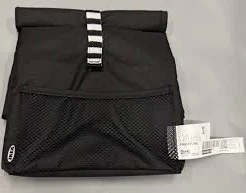
IKEA FRAMTUNG lunch bag
Lower-concern materials; no PFAS evidence but brand disclosure absent.
FRAMTUNG is a basic lunch bag with polyester and foam construction, typical of insulated food carriers. No water-repellent treatment or Teflon-family coating coatings are publicly documented.
We flunk more products than we pass. This one earned its grade. How we grade
Material
polyester exterior, polyethylene foam insulation, uncoated food-contact lining
Brand disclosure
Brand is silent on PFAS
Lab data
No public lab test
What IKEA FRAMTUNG lunch bag is made of, ingredients and materials
The FRAMTUNG exterior is polyester, a thermoplastic polymer with no known leaching hazards into food under normal use. The insulation is polyethylene foam, which does not off-gas volatile compounds at room temperature and is chemically inert. The uncoated food-contact lining, described as an interior plastic surface without added coatings, means there is no enamel, glaze, or ceramic layer to degrade or shed particles. This material combination is typical for soft-sided lunch bags and carries lower concern for chemical migration into food than coated alternatives.
What’s concerning
Category baseline
The starting point for this type of product, before anything specific to this product is counted.
No PFAS disclosure
No public statement from the brand about PFAS in this product.
Microplastics
Polyethylene foam insulation can fragment over extended use, especially if compressed or exposed to sharp objects. Small foam particles may shed into foods stored against the interior lining; impact is minor but cumulative with age.
Source, EPA ↗Bacterial or mold growth in insulation and seams
Polyethylene foam is moisture-absorbent and porous. If the bag is stored wet or food residue is left inside, mold and bacterial colonies can develop in the foam core and around glued seams, posing a food hygiene risk rather than chemical toxicity.
What’s reassuring
Base material not linked to PFAS
The main material recorded for this product is not one associated with PFAS.
BPA & bisphenols
Polyester and polyethylene used in this product do not contain BPA or BPS as inherent components. No contamination or misuse of these monomers has been reported in IKEA lunch bags.
Source, FDA ↗Phthalates
Polyester and standard polyethylene foam do not require phthalates for flexibility. No test results or complaints suggest phthalate presence in the FRAMTUNG materials.
Source, ATSDR ↗Polymer leaching under heat or acidic food contact
Polyester and polyethylene are chemically stable at room temperature and mild acid conditions typical of packed lunches. No established leaching pathway or contamination data exists for this product category under normal use.
The full breakdown
The brand's record and disclosure
IKEA has not published specific PFAS disclosure or testing data for this product, and the brand's general PFAS stance remains largely silent in public communications. No recalls, contamination reports, or chemical controversies are on record for the FRAMTUNG line. IKEA does hold some third-party certifications for certain product lines but transparency on food-contact article testing is limited. For a low-cost consumable lunch bag, IKEA's approach is consistent with industry baseline rather than a leader in chemical transparency.
How it compares in its category
Soft-sided insulated lunch bags made from polyester and foam are a standard, lower-risk category compared to hard plastic containers or lined fabrics treated with water-repellent coatings. Many competitors use similar polyester shells and polyethylene or EVA foam cores without added surface treatments. The FRAMTUNG's uncoated lining eliminates concern about degrading synthetic coatings or laminate peeling, which can occur in bags with PVC or other polymer films. Overall positioning is middle-of-road for the category, functional, chemically unadorned, and without premium durability or certification claims.
If you buy it
Wash the interior regularly after use, especially after storing moist or acidic foods, to prevent bacterial or mold growth in the foam and seams. Do not place this bag in a dishwasher or direct heat; polyethylene foam can soften above 50-60°C. Replace the bag if the foam becomes compressed, the seams separate, or interior surfaces show visible mold or odor that cleaning does not remove. Store it dry and open between uses to reduce moisture retention.
What we don’t know
- Basis
- Model estimate, 72% confidence, not a lab result
- Lab test
- None on record for this exact product
- Brand statement
- IKEA has made none
Formulations change between production runs, so check the current label. How we grade.
Better-graded alternatives in Lunch Boxes
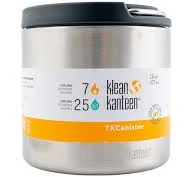
Klean Kanteen
Double Wall Vacuum Insulated Stainless Steel Food Canister Container with Leak Proof Lid
- Stainless steel body, silicone gasket lid seal
- The brand calls it PFAS-free, which we have not verified
- Silicone gasket degradation
3 hazards checked on this product. See all of them.
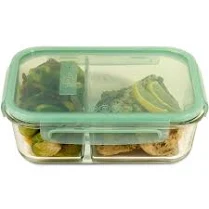
Snapware
Meal Box Glass
- borosilicate glass
- We found no PFAS statement from the brand
- Leaching from glass matrix or lid seals
2 hazards checked on this product. See all of them.
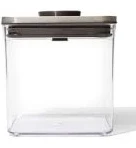
OXO
Steel Pop Big Square Short - 2.8 Qt/2.6 l
- Stainless steel container, no surface treatment
- Lid/gasket polymer leaching
3 hazards checked on this product. See all of them.
More lunch boxes grades
How we score, every product runs through the same public 0-100 rubric based on materials, coatings, brand disclosure, lab findings, and recalls. See the full methodology → Spotted a mistake? Report an error.