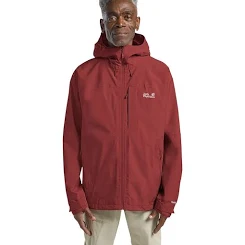
Jack Wolfskin · Cycling Rain Jackets
Men Jack Wolfskin Tempest 2L Jacket
Skip until brand discloses waterproof treatment chemistry.
Jack Wolfskin does not publicly disclose PFAS status or water-repellent coating treatment details for this jacket. Outdoor 2L jackets typically use fluorinated or non-fluorinated water-repellent finishes, but the brand provides no transparency here.
Still want this one anyway? Check the price on Amazon. We’d swap it.
Material
Polyamide with water-repellent coating
Brand disclosure
Brand is silent on PFAS
Lab data
No public lab test
What Men Jack Wolfskin Tempest 2L Jacket is made of, ingredients and materials
The Tempest 2L uses polyamide (nylon) as its base fabric, a synthetic polymer known for durability and moisture resistance. Jack Wolfskin applies a water-repellent coating (water-repellent coating) coating to achieve water-shedding performance, which is industry-standard for outdoor jackets. The specific chemistry of this water-repellent coating is not disclosed by the brand; this opacity is the core safety issue, as water-repellent coating treatments historically relied on PFAS compounds and some continue to do so. Polyamide itself is stable during normal wear, but the coating's composition determines whether persistent chemicals migrate onto skin or into the environment.
What’s concerning
Waterproof / stain-resistant treatment
Water-repellent coating treatments have historically used PFAS.
Category baseline
The starting point for this type of product, before anything specific to this product is counted.
No PFAS disclosure
No public statement from the brand about PFAS in this product.
PFAS
Jack Wolfskin does not disclose whether the water-repellent coating is PFAS-based or PFAS-free. Industry history and silence from the brand suggest PFAS is possible; this is the primary hazard driving the skip verdict. Contact with skin and potential leaching during washing and wear are vectors of concern.
Source, ATSDR ↗What’s reassuring
Formaldehyde / VOCs
No public record of formaldehyde-releasing dyes or resins specific to this model. Polyamide fabrics can carry formaldehyde if treated with cross-linking resins, but Jack Wolfskin's dye house practices are not disclosed.
Source, ATSDR ↗Azo dyes and banned colorants
No recalls or warnings related to azo dyes in Jack Wolfskin apparel are on record. The brand does not publish dye-chemistry certifications, so compliance with EU/US banned azo dye lists cannot be independently verified.
Antimony in polyester or polyamide
This jacket is polyamide (nylon), not polyester, so antimony trioxide catalyst contamination is not a concern for this specific material.
Flame retardants
No flame retardant treatment is implied or documented for this casual outdoor jacket. Polyamide inherently has moderate flame behavior; no additive concern on record for this model.
Source, EPA ↗The full breakdown
The brand's record and disclosure
Jack Wolfskin has not publicly disclosed the chemical identity or PFAS status of its water-repellent coating treatments across product lines. The brand holds no widely recognized certifications for waterproof-coating safety (such as OEKO-TEX 100 or bluesign). This silence is notable, competitors including Patagonia, Arc'teryx, and others have moved toward disclosed PFAS-free or low-PFAS waterproofing or have committed to phaseout timelines. Jack Wolfskin's lack of transparency on this issue is a material governance gap for a consumer brand selling outdoor apparel.
How it compares in its category
Mid-layer and shell jackets in the outdoor-clothing market increasingly compete on waterproofing disclosure. Many brands now specify PFAS-free membranes (polyurethane, polyester films) or publish their water-repellent coating chemistry. Jack Wolfskin's refusal to disclose places this jacket in a lower-transparency segment compared to premium brands with public commitments to PFAS reduction. Budget and mid-range competitors vary widely; some also lack disclosure, but the Tempest 2L's price point and position suggest it competes with brands that typically do publish this information.
If you buy it
Wash infrequently in cool water and avoid high heat, as polyamide can soften above 80-90°C and coating stability is unknown. Do not dry clean or use fabric softeners, which can degrade water repellency. The water-repellent coating will wear over time; re-treatment products exist but often contain PFAS themselves, creating an ongoing chemical exposure cycle. Most importantly, if PFAS concern is part of your decision, this product's undisclosed treatment makes it unsuitable; seek brands with published PFAS-free or low-PFAS claims backed by third-party testing.
What we don’t know
- Basis
- Model estimate, 42% confidence, not a lab result
- Lab test
- None on record for this exact product
- Brand statement
- Jack Wolfskin has made none
Formulations change between production runs, so check the current label. How we grade.
Better-graded alternatives in Cycling Rain Jackets
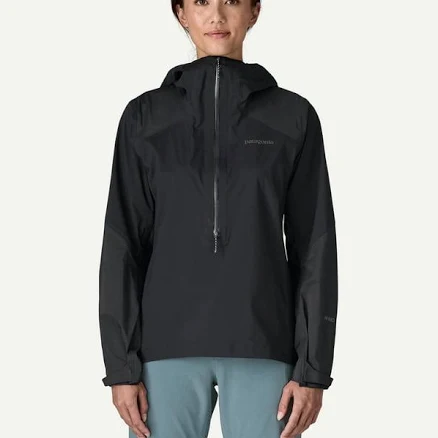
Patagonia
Women's Dirt Roamer Storm Jacket
- polyester shell with water-repellent coating finish
- The brand calls it PFAS-free, which we have not verified
- Azo dyes and color fastness
4 hazards checked on this product. See all of them.
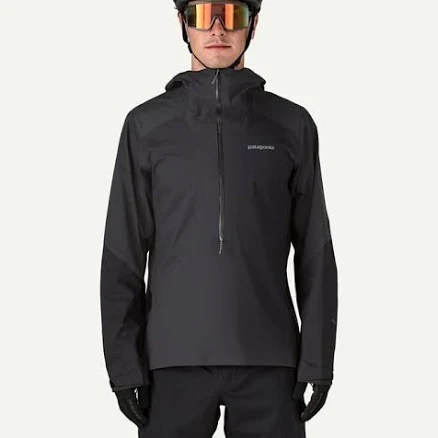
Patagonia
Men's Dirt Roamer Storm Jacket
- nylon/polyester with water-repellent coating water treatment
- The brand calls it PFAS-free, which we have not verified
- PFAS
3 hazards checked on this product. See all of them.
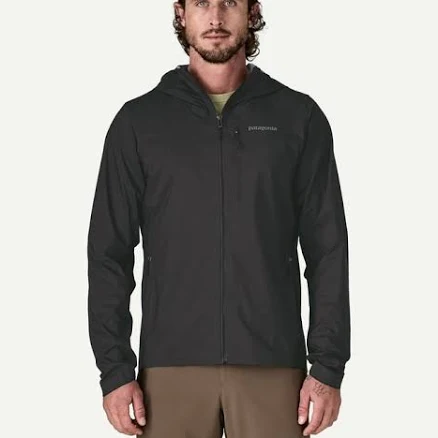
Patagonia
Men's Trail Craft Jacket
- Nylon with water-repellent coating water-repellent coating finish
- The brand calls it PFAS-free, which we have not verified
- water-repellent coating chemistry opacity (fluorinated vs. non-fluorinated)
3 hazards checked on this product. See all of them.
More cycling rain jackets grades
How we score, every product runs through the same public 0-100 rubric based on materials, coatings, brand disclosure, lab findings, and recalls. See the full methodology → Spotted a mistake? Report an error.