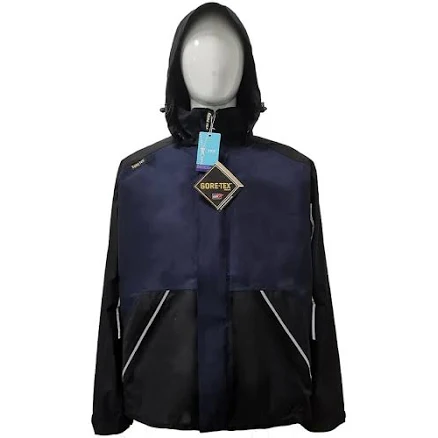
GORE-TEX Breathable Rainwear CEB Jacket
GORE-TEX historically used PFAS; no current disclosure from Keen available
GORE-TEX breathable membranes traditionally relied on PFAS-based water-repellent coating treatments. Keen makes no public PFAS disclosure for this model. Contact brand directly for current coating chemistry.
Still want this one anyway? Check the price on Amazon. We’d swap it.
Material
GORE-TEX membrane with water-repellent coating finish
Brand disclosure
Brand is silent on PFAS
Lab data
No public lab test
You may also be interested in
Top-graded picks in the categories readers replace first, every one scored on the same rubric.

- polypropylene filter housing, carbon/sediment cartridge
- We found no PFAS statement from the brand
- Bacterial growth in spent cartridges
3 hazards checked on this product, all on its full breakdown.

Aquasure
Premier Series 75 GPD Under Sink Reverse Osmosis Water Filtration System
- RO membrane, carbon filters, stainless steel housing
- We found no PFAS statement from the brand
- Bacterial and microbial growth in housing and filters
4 hazards checked on this product, all on its full breakdown.

Avocado
Vegan Mattress
- organic cotton, natural latex, coconut coir, recycled steel coils
- The brand calls it PFAS-free, which we have not verified
- Heavy metals
2 hazards checked on this product, all on its full breakdown.
What GORE-TEX Breathable Rainwear CEB Jacket is made of, ingredients and materials
GORE-TEX is a microporous polytetrafluoroethylene (Teflon-type coating) membrane bonded to fabric layers, designed to repel water while allowing vapor transmission. The water-repellent coating (water-repellent coating) finish on the outer fabric is a separate chemical coating, historically PFAS-based in most commercial rainwear. GORE-TEX's own membrane has historically contained PFAS perfluorochemicals as processing aids, though the company has stated they remove most during manufacturing. No public breakdown of residual PFAS content in finished Keen jackets exists.
What’s concerning
Waterproof / stain-resistant treatment
Water-repellent coating treatments have historically used PFAS.
Category baseline
The starting point for this type of product, before anything specific to this product is counted.
No PFAS disclosure
No public statement from the brand about PFAS in this product.
Heavy metals
The specific dye chemistry for the CEB Jacket's color is not disclosed. GORE-TEX outer fabrics often use commercial acid or disperse dyes; some formulations may contain restricted azo compounds or trace metals. Keen does not publish dye test reports. Pre-wash reduces loose dye transfer.
Source, FDA ↗Antimony in polyester layers
GORE-TEX laminates typically use polyester; antimony is used as a catalyst in polyester production. Residual antimony content in finished textiles is typically below regulatory limits but not always tested. No Keen-specific antimony data is available. Risk is minor if jacket is not ingested or worn against broken skin.
Volatile organic compound (VOC) off-gassing
New GORE-TEX products commonly show mild chemical odor due to adhesives and residual solvents in the membrane lamination. Multiple consumer reports note this in the first weeks of ownership. Off-gassing diminishes significantly after 3-5 washes and 1-2 weeks of air exposure; it is not linked to serious health effects in normal outdoor use.
Membrane degradation and microfiber shedding
Teflon-type coating membranes can degrade under prolonged UV exposure or mechanical stress, potentially shedding microscopic polymer particles. Keen does not disclose the membrane's UV durability rating or expected lifespan. Storing the jacket indoors and avoiding abrasive surfaces reduces shed risk. Replacement is typically recommended after 5-10 years of regular use.
What’s reassuring
Formaldehyde / VOCs
No recalls or public testing data for Keen GORE-TEX jackets identify formaldehyde in finish treatments. GORE-TEX itself does not typically use formaldehyde, but the outer fabric or thread may. Pre-wash laundering and off-gassing before wear mitigate any residual exposure.
Source, ATSDR ↗How is this PFAS grade calculated?
The brand's record and disclosure
Keen (a subsidiary of Wolverine World Wide) has not published a PFAS reduction roadmap or third-party test data for this specific product line. Wolverine announced a 2025 goal to eliminate PFAS from water-repellent coating finishes across brands, but no current certification or product-level disclosure is visible for the CEB Jacket. The company does not market this item as PFAS-free or PFAS-reduced. Keen's general apparel certifications focus on labor and materials sourcing, not chemical content transparency.
How it compares in its category
Most breathable waterproof rainwear (Arc'teryx, Patagonia, The North Face) similarly rely on Teflon-type coating membranes or polyurethane lamination, and the majority still use PFAS-based water-repellent coating finishes as standard. Patagonia and a few smaller brands have piloted PFAS-free water-repellent coating alternatives, but they remain premium-priced and less widely available. GORE-TEX jackets occupy the mainstream mid-to-premium tier where PFAS-legacy materials dominate. Non-membrane alternatives (waxed cotton, polyurethane coatings) are not materials linked to PFAS but may sacrifice breathability and durability.
If you buy it
Wash the jacket on gentle cycle with cool water before wearing to reduce loose surface chemicals and finishes. Avoid machine drying and direct heat (dryers, irons), which can degrade the membrane and release volatile compounds. Reapply water-repellent coating after 50-100 washes with a PFAS-free brand if available (e.g., Grangers Performance Repel or similar). Store indoors in a cool, dry space; do not air-dry near heat vents or in direct sunlight for extended periods.
What is not known about PFAS in this product?
- Basis
- Model estimate, 35% confidence, not a lab result
- Lab test
- None on record for this exact product
- Brand statement
- Gore has made none
Formulations change between production runs, so check the current label. How we grade.
More rain jackets grades
How we score, every product runs through the same public 0-100 rubric based on materials, coatings, brand disclosure, lab findings, and recalls. See the full methodology → Spotted a mistake? Report an error.