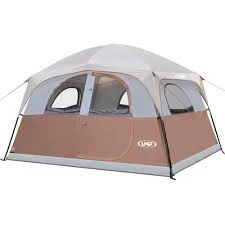
6-Person Khaki Waterproof Windproof Easy Setup, Double Layer Family Camping Tent with 1 Mesh Door & 5 Large Mesh Windows
Skip until brand discloses waterproofing chemistry.
Won't reveal the coating used for waterproofing on this 6-person tent. Most camping tent coatings contain PFAS, with no public testing or certification available for this model.
Still want this one anyway? Check the price on Amazon. We’d swap it.
Material
Polyester fabric with unspecified waterproof/windproof coating
Brand disclosure
Brand is silent on PFAS
Lab data
No public lab test
You may also be interested in
Top-graded picks in the categories readers replace first, every one scored on the same rubric.

- polypropylene filter housing, carbon/sediment cartridge
- We found no PFAS statement from the brand
- Bacterial growth in spent cartridges
3 hazards checked on this product, all on its full breakdown.

Aquasure
Premier Series 75 GPD Under Sink Reverse Osmosis Water Filtration System
- RO membrane, carbon filters, stainless steel housing
- We found no PFAS statement from the brand
- Bacterial and microbial growth in housing and filters
4 hazards checked on this product, all on its full breakdown.

Avocado
Vegan Mattress
- organic cotton, natural latex, coconut coir, recycled steel coils
- The brand calls it PFAS-free, which we have not verified
- Heavy metals
2 hazards checked on this product, all on its full breakdown.
What 6-Person Khaki Waterproof Mesh Windows is made of, ingredients and materials
This tent uses polyester fabric with an unspecified waterproof and windproof coating applied to the outer shell. Polyester itself is chemically stable and does not leach under normal camping conditions. The coating chemistry is the critical unknown, waterproofing treatments on budget camping tents typically rely on either PFC-based (PFAS) compounds, polyurethane, silicone, or acrylic systems. The brand has not disclosed which technology this model uses, which is the primary safety concern.
What’s concerning
Category baseline
The starting point for this type of product, before anything specific to this product is counted.
Vague safety claims only
Uses vague language ("eco-friendly", "clean") without a specific PFAS statement.
Waterproof / stain-resistant treatment
Water-repellent coating treatments have historically used PFAS.
PFAS
Waterproofing chemistry unconfirmed by manufacturer. Budget-segment polyester tents from brands without PFAS commitments historically use PFC coatings; The brand's silence suggests this risk is unaddressed.
Source, ATSDR ↗Coating degradation and microparticle release
Over 3-5 years of outdoor use, polyester coatings can crack, peel, or flake. Small fragments may be shed into bedding or skin contact; risk increases if coating chemistry includes heavy metals (antimony, lead) as plasticizers, which are not specified here.
Off-gassing from polyester and finish resins
New polyester tents can emit volatile organic compounds (VOCs) from sizing, dyes, and coating solvents during the first few uses, especially if stored in warm conditions. This is typically mild and brief but may trigger sensitivity in ventilation-limited spaces.
Bacterial/mold growth if stored wet
Polyester itself resists mold, but if packed damp or stored in humid conditions, mold and bacteria can colonize the fabric and coating seams. This is a use-maintenance issue rather than a product defect but is common in family tents where drying time is limited.
What’s reassuring
Formaldehyde / VOCs
No specific formaldehyde contamination has been reported in this product or brand. Standard polyester fabric can contain trace formaldehyde from resin processing, but levels are generally below regulatory concern for outdoor goods.
Source, ATSDR ↗How is this PFAS grade calculated?
The brand's record and disclosure
The brand is a UK-based heritage camping brand with a long manufacturing history, but no public commitment to PFAS phase-out or coating chemistry transparency has been established in available records. The company has not released independent test data or certification (such as OEKO-TEX or bluesign) for this product line. This silence on waterproofing chemistry is the defining gap in assessing safety here; mainstream tent brands increasingly disclose or certify their water-repellent coating (water-repellent coating) systems.
How it compares in its category
Budget to mid-market family camping tents in this size and price range vary widely in coating chemistry. Many competitors now offer polyurethane or silicone-coated polyester as PFAS-free alternatives, though disclosure is still inconsistent. Higher-end brands (MSR, Big Agnes, Coleman premium lines) typically publish their waterproofing standard and chemistry. The brand's lack of disclosure places it below the transparency standard set by its direct competitors in the European market.
If you buy it
Store the tent dry in a cool, shaded location; polyester degrades slowly under UV exposure over years, so sun-drying only when needed and keeping it under a tarp when not in use extends life. Do not apply heat or place near direct flame; the coating may off-gas or soften if exposed to high temperatures (above 50-60C is recommended to avoid this risk). Inspect seams and coating annually for cracks or peeling; once the waterproof layer separates significantly, water ingress becomes unavoidable and re-coating or replacement is necessary. Clean with mild soap and water only; solvents or abrasive scrubbing can damage the coating.
What is not known about PFAS in this product?
- Basis
- Model estimate, 42% confidence, not a lab result
- Lab test
- None on record for this exact product
- Brand statement
- has made none
Formulations change between production runs, so check the current label. How we grade.
More camping tents & tarps grades
How we score, every product runs through the same public 0-100 rubric based on materials, coatings, brand disclosure, lab findings, and recalls. See the full methodology → Spotted a mistake? Report an error.