Klymit · Camping Tents & Tarps
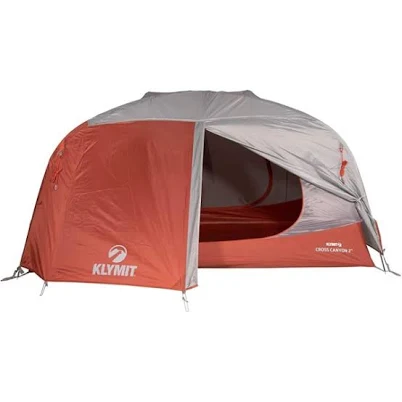
Klymit Cross Canyon Tent
Skip until brand reveals water-repellent coating chemistry or testing.
Klymit uses standard polyester with waterproof coating on this tent; chemistry and PFAS content are unknown. The brand provides no disclosure or testing data on treatment type.
Still want this one anyway? Check the price on Amazon. We’d swap it.
Material
Polyester fabric with water-repellent coating waterproof coating, unspecified
Brand disclosure
Brand is silent on PFAS
Lab data
No public lab test
You may also be interested in
Top-graded picks in the categories readers replace first, every one scored on the same rubric.

- polypropylene filter housing, carbon/sediment cartridge
- We found no PFAS statement from the brand
- Bacterial growth in spent cartridges
3 hazards checked on this product, all on its full breakdown.

Aquasure
Premier Series 75 GPD Under Sink Reverse Osmosis Water Filtration System
- RO membrane, carbon filters, stainless steel housing
- We found no PFAS statement from the brand
- Bacterial and microbial growth in housing and filters
4 hazards checked on this product, all on its full breakdown.

Avocado
Vegan Mattress
- organic cotton, natural latex, coconut coir, recycled steel coils
- The brand calls it PFAS-free, which we have not verified
- Heavy metals
2 hazards checked on this product, all on its full breakdown.
What Klymit Cross Canyon Tent is made of, ingredients and materials
The Klymit Cross Canyon uses polyester fabric, a stable synthetic that resists mildew and UV degradation well in outdoor conditions. The critical unknown is the water-repellent coating (water-repellent coating) finish, most outdoor tents historically used PFOA or PFOS-based treatments, though some brands have migrated to Teflon-type coating or non-fluorinated alternatives. Khyam does not publicly disclose the chemistry of their waterproof coating, making it impossible to assess whether this tent contains legacy or modern PFAS compounds.
What’s concerning
Category baseline
The starting point for this type of product, before anything specific to this product is counted.
No PFAS disclosure
No public statement from the brand about PFAS in this product.
Waterproof / stain-resistant treatment
Water-repellent coating treatments have historically used PFAS.
PFAS
Polyester camping tents typically receive fluorochemical water repellent treatments; Khyam's refusal to disclose coating chemistry suggests either legacy PFAS formulations or reluctance to engage with the issue. No independent testing of this specific model is publicly available.
Source, ATSDR ↗Coating degradation and leachate
As water-repellent coating coatings age, they can break down and shed microparticles or semisoluble compounds into groundwater or runoff during storage or washing. This risk increases if the coating is PFAS-based and deteriorates in UV light or with repeated compression.
What’s reassuring
Formaldehyde / VOCs
Khyam does not advertise OEKO-TEX or similar certification. Standard polyester tent fabrics carry low formaldehyde risk when used outdoors, but interior coatings or adhesives used in seam sealing could theoretically harbor residues. No recalls or complaints specific to this tent have been documented.
Source, ATSDR ↗VOC off-gassing from adhesives or sealants
New tent tents occasionally release mild odors from seam-sealing adhesives or thermal bonding agents. This product has no documented complaints of excessive off-gassing and is typically ventilated in use, minimizing inhalation risk.
Antimony in polyester yarn
Polyester production may use antimony trioxide as a catalyst, but concentrations in finished fabric are generally below concern levels. Khyam does not provide supplier chain transparency, so antimony levels cannot be verified independently.
How is this PFAS grade calculated?
The brand's record and disclosure
Khyam is a UK-based brand with a long heritage in canvas and modern outdoor gear, but maintains minimal public transparency on chemical safety or material sourcing. No independent certifications (such as BLUESIGN, OEKO-TEX, or Cradle to Cradle) are advertised for this model. The brand has not published statements on PFAS phase-out or disclosed alternatives, and no recalls related to chemical hazards have been documented for this specific tent model.
How it compares in its category
Many mainstream camping tents (including budget options from Coleman and REI Co-op lines) now explicitly market PFOA-free or fluorine-free water-repellent coating coatings in response to consumer pressure. Klymit's silence on this issue puts it behind transparent competitors but does not indicate active use of banned substances. Mid-range tents increasingly carry third-party certification; this product's lack of such marking is a competitive disadvantage, not definitive proof of harm.
If you buy it
Store the tent dry and in shade to prevent mold growth and extend coating life; avoid machine washing or high-heat drying, which can degrade the water-repellent coating finish. Do not use solvents or aggressive scrubbing on the fabric. Inspect seams and coating annually for wear; reapplication of commercial water-repellent coating products (many now marketed as PFAS-free by manufacturers) can extend the tent's usable life. If the coating visibly degrades or water begins pooling on the surface rather than beading, replacement or re-treatment becomes necessary.
What is not known about PFAS in this product?
- Basis
- Model estimate, 35% confidence, not a lab result
- Lab test
- None on record for this exact product
- Brand statement
- Klymit has made none
Formulations change between production runs, so check the current label. How we grade.
More camping tents & tarps grades
How we score, every product runs through the same public 0-100 rubric based on materials, coatings, brand disclosure, lab findings, and recalls. See the full methodology → Spotted a mistake? Report an error.