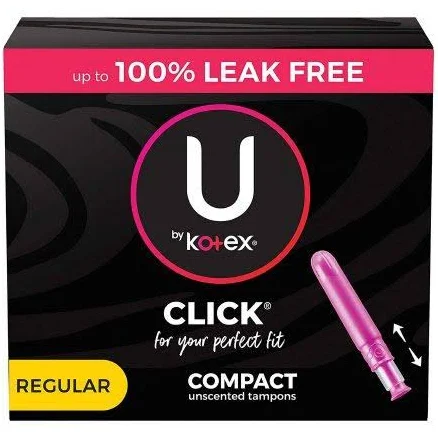
Kimberly-Clark Kotex · Tampons
Kimberly Clark U By Kotex Click Compact Tampons, Regular Absorbency, Plastic Applicator, Unscented, Compact, 53445
Lower concern. Core materials not linked to PFAS, plastic applicator chemistry not stated.
The rayon core and cotton/viscose exterior are materials not linked to PFAS. The plastic applicator's chemistry is not stated. Kimberly-Clark Kotex has no PFAS statement on record for this product.
We flunk more products than we pass. This one earned its grade. How we grade
Material
Rayon core, plastic applicator, cotton/viscose exterior
Brand disclosure
Brand is silent on PFAS
Lab data
No public lab test
You may also be interested in
Top-graded picks in the categories readers replace first, every one scored on the same rubric.

Aqua Pure
3M Aqua-Pure AP802B Whole House Filter Housing
- polypropylene filter housing, carbon/sediment cartridge
- We found no PFAS statement from the brand
- Bacterial growth in spent cartridges
3 hazards checked on this product. See all of them.

Aquasure
Premier Series 75 GPD Under Sink Reverse Osmosis Water Filtration System
- RO membrane, carbon filters, stainless steel housing
- We found no PFAS statement from the brand
- Bacterial and microbial growth in housing and filters
4 hazards checked on this product. See all of them.

Avocado
Vegan Mattress
- organic cotton, natural latex, coconut coir, recycled steel coils
- The brand calls it PFAS-free, which we have not verified
- Heavy metals
2 hazards checked on this product. See all of them.
What Kimberly Clark U By Kotex Click Compact is made of, ingredients and materials
U by Kotex Click uses a rayon (viscose) absorbent core, which is bleached cellulose derived from wood pulp. The exterior is a cotton/viscose blend, and the applicator is plastic (material type not specified by manufacturer). Rayon is inherently free of synthetic toxins but is chemically processed during manufacture; cotton/viscose blends carry lower chemical burden than 100% synthetic fibers. The main concern is the unspecified plastic applicator formulation, which could theoretically leach minor compounds but has no documented safety alerts for this product line.
What’s concerning
Category baseline
Period care is a category where PFAS exposure is more common.
No PFAS disclosure
No public statement about PFAS in this product.
Toxic Shock Syndrome (TSS) from prolonged use
TSS risk is inherent to all tampons and tied to prolonged placement and user behavior, not material composition. Regular absorbency carries lower TSS risk than super-plus; rayon core does not elevate or reduce this risk relative to competing tampons.
Plastic applicator leaching (unspecified polymer)
Manufacturer does not disclose the plastic resin used in the applicator (likely polypropylene or polyethylene). At body temperature and pH, modern food-grade plastics leach negligibly; however, no specific migration testing for this product is publicly available.
What’s reassuring
Base material not linked to PFAS
Made from a material with no inherent PFAS use (ceramic, mineral, or natural fiber).
Bleaching byproducts (dioxins) in rayon core
Rayon is bleached during manufacture; historically, chlorine bleaching produced dioxin residues. Modern FDA-regulated tampon production uses approved low-impact bleaching. No published testing of U by Kotex specifically reports detectable dioxin; this is not a documented concern for major US brands.
Fragrance allergens
This product is unscented, eliminating risk of fragrance-related contact dermatitis or sensitization. Scented variants carry higher risk of vulvovaginal irritation in sensitive users.
Microfiber or particle shedding from applicator
Plastic applicators are mechanically rigid and do not shed fibers into the vaginal canal during normal use. No reports of applicator degradation or fragmentation for this product exist in safety databases.
The full breakdown
The brand's record and disclosure
Kimberly-Clark does not publicly disclose detailed chemical or PFAS testing data for Kotex tampons, which is typical for the menstrual care industry but limits transparency. The brand has no significant recalls or safety controversies tied to U by Kotex tampons in the past decade. Kimberly-Clark holds ISO 14001 environmental certification but has not pursued third-party safety certifications (e.g. No NGO testing or investigative reports have flagged this product for undisclosed hazards.
How it compares in its category
Rayon-core tampons are the industry standard and carry lower chemical risk than fully synthetic alternatives. U by Kotex sits in the mid-market segment; competitors like Tampax Pearl (plastic applicator, rayon core) and Kotex Natural (organic cotton, cardboard applicator) occupy similar or overlapping niches. The plastic applicator is more common than cardboard in mainstream brands but offers no safety advantage or disadvantage. Unscented formulations reduce fragrance allergen exposure compared to scented variants.
If you buy it
Change tampons every 4-8 hours to minimize bacterial growth and toxic shock syndrome (TSS) risk, independent of material chemistry. Store in a cool, dry place; plastic applicators are chemically inert at room temperature and do not degrade or leach under normal storage. Do not use heat or microwave products as a cleaning method. Discontinue and seek medical attention if unusual symptoms (fever, rash, dizziness) occur during use.
What we don’t know
- Basis
- Model estimate, 72% confidence, not a lab result
- Lab test
- None on record for this exact product
- Brand statement
- Kimberly-Clark Kotex has made none
Formulations change between production runs, so check the current label. How we grade.
Better-graded alternatives in Tampons
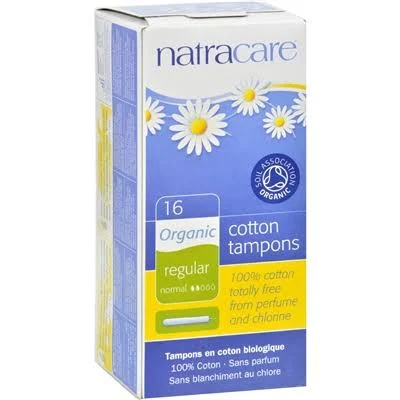
Natracare
100% Organic Cotton Tampons
- 100% organic cotton
- A third party reports verifying it as PFAS-free
- Heavy metals
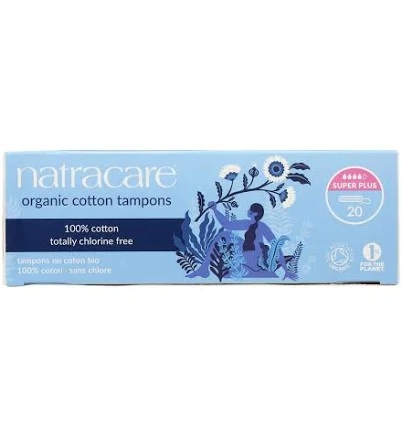
Natracare
Organic Super Plus Tampons, 3 x 20 ct
- organic cotton, cardboard applicator
- The brand calls it PFAS-free, which we have not verified
- Dioxins from bleaching
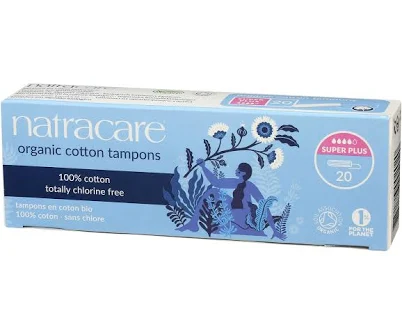
Natracare
Organic Cotton Super Plus Tampons
- organic cotton, no added fluorochemicals
- The brand calls it PFAS-free, which we have not verified
- Verified PFAS-free by a third party
More tampons grades
How we score, every product runs through the same public 0-100 rubric based on materials, coatings, brand disclosure, lab findings, and recalls. See the full methodology → Spotted a mistake? Report an error.