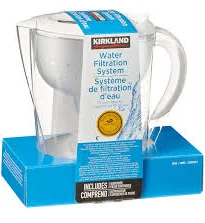
Kirkland Signature Filtered Water Pitcher with 2 Filters
Lower concern for PFAS. No known risk signals in standard pitcher design.
Kirkland filtered pitchers use common plastic and activated carbon filters without known PFAS coatings or treatments. No public PFAS disclosures or third-party testing available.
We flunk more products than we pass. This one earned its grade. How we grade
Material
Plastic pitcher body, carbon and ion exchange filter media
Brand disclosure
Brand is silent on PFAS
Lab data
No public lab test
You may also be interested in
Top-graded picks in the categories readers replace first, every one scored on the same rubric.

- polypropylene filter housing, carbon/sediment cartridge
- We found no PFAS statement from the brand
- Bacterial growth in spent cartridges
3 hazards checked on this product, all on its full breakdown.

Aquasure
Premier Series 75 GPD Under Sink Reverse Osmosis Water Filtration System
- RO membrane, carbon filters, stainless steel housing
- We found no PFAS statement from the brand
- Bacterial and microbial growth in housing and filters
4 hazards checked on this product, all on its full breakdown.

Avocado
Vegan Mattress
- organic cotton, natural latex, coconut coir, recycled steel coils
- The brand calls it PFAS-free, which we have not verified
- Heavy metals
2 hazards checked on this product, all on its full breakdown.
What Kirkland Signature Filtered Water Filters is made of, ingredients and materials
The Kirkland pitcher body is typically polypropylene (PP) or polycarbonate plastic with a carbon and ion-exchange resin filter cartridge. Polypropylene is generally stable at room temperature and does not leach BPA or phthalates under normal use. The filter media (activated carbon and ion-exchange resin) are designed to trap contaminants but can degrade over time and with heavy use, reducing effectiveness if not replaced on schedule.
What’s concerning
No PFAS disclosure
No public statement from the brand about PFAS in this product.
Bacterial growth or biofilm in pitcher housing
If filters are not replaced on schedule or the pitcher is not rinsed regularly, the plastic interior and filter housing can harbor bacterial colonies. This is a maintenance issue, not a material defect, but common enough in gravity pitchers to warrant discipline.
Filter media leaching or particulate escape
Activated carbon can shed fine particles if filters are installed improperly or if the cartridge is damaged. Ion-exchange resin beads, though rare, can escape if the filter membrane tears. No specific incidents on record for Kirkland brand, but inherent to the filter design.
Filter effectiveness decline and false security
Independent testing of gravity filters (including Kirkland and competitors) shows that carbon filters lose adsorptive capacity after 2-3 months of typical household use. Users often defer replacement thinking filters still work, leading to inadequate contaminant removal without visible indication.
Mold or mildew growth on plastic surfaces
Damp plastic stored in humid environments or left standing without regular drying can support mold colonies on lid seals and interior crevices. This is not unique to Kirkland but common across all plastic pitcher designs and preventable with basic hygiene.
What’s reassuring
Base material not linked to PFAS
The main material recorded for this product is not one associated with PFAS.
Plastic leaching at elevated temperature
Polypropylene is chemically stable at room temperature and does not leach BPA or phthalates under normal filtered water storage. Boiling water or sustained heat above 70-80 degrees Celsius can accelerate polymer degradation and is not recommended by any pitcher manufacturer.
How is this PFAS grade calculated?
The brand's record and disclosure
Kirkland (Costco's house brand) does not publish detailed material safety or third-party certification data for this specific pitcher on public channels. The brand has no known recalls or safety controversies tied to filtered water pitchers. Kirkland generally complies with FDA food-contact plastics regulations but does not voluntarily disclose BPA-free or other material certifications in marketing literature for this product category.
How it compares in its category
Kirkland's pitcher is a mid-range gravity filter comparable to Brita and PUR in design and material safety profile. Unlike some premium competitors, Kirkland does not highlight NSF certification or independent testing on packaging. Performance and safety are broadly equivalent to other mass-market plastic pitchers, though transparency about filter lifespan and replacement frequency is less detailed than some brands.
If you buy it
Replace filters every 2 to 3 months or per manufacturer guidance, whichever is sooner; do not assume the included filters are good beyond initial use. Do not use boiling water in the pitcher as polypropylene softens above 70-80 degrees Celsius. Rinse the pitcher body weekly and allow it to air dry to prevent mold or bacterial biofilm buildup on internal surfaces. Store in a cool, dry place away from direct sunlight, which can degrade plastic over years of exposure.
What is not known about PFAS in this product?
- Basis
- Model estimate, 72% confidence, not a lab result
- Lab test
- None on record for this exact product
- Brand statement
- Kirkland has made none
Formulations change between production runs, so check the current label. How we grade.
What are the PFAS-free alternatives to Kirkland Signature Filtered Water Pitcher with 2 Filters?
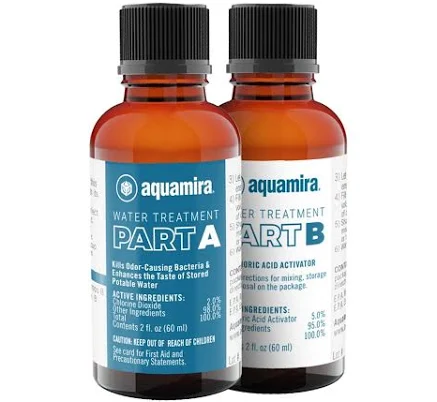
- glass bottles, sodium dichloroisocyanurate treatment chemical
- We found no PFAS statement from the brand
- Chemical overdose or misuse
5 hazards checked on this product, all on its full breakdown.
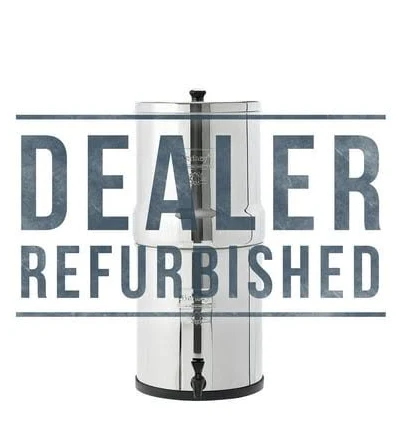
- Stainless steel housing and spigot
- We found no PFAS statement from the brand
- Bacterial growth and biofilm if filters not replaced
5 hazards checked on this product, all on its full breakdown.
- Borosilicate glass pitcher, replaceable activated-carbon filter cartridge
- Bacterial growth in filter cartridge if unmaintained
5 hazards checked on this product, all on its full breakdown.
More water filters grades
How we score, every product runs through the same public 0-100 rubric based on materials, coatings, brand disclosure, lab findings, and recalls. See the full methodology → Spotted a mistake? Report an error.