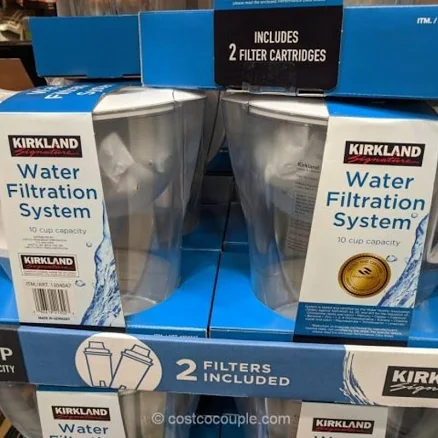
QVC Kirkland Signature Water Pitcher
Lower concern; standard pitcher design poses minimal PFAS risk.
Kirkland water pitchers typically use common plastics and activated carbon filters without special coatings that introduce PFAS. No brand disclosure on PFAS, but the category itself carries lower risk than coated cookware or treated textiles.
We flunk more products than we pass. This one earned its grade. How we grade
Material
Plastic pitcher body, likely polypropylene or BPA-free plastic; carbon or ion exchange filter media
Brand disclosure
Brand is silent on PFAS
Lab data
No public lab test
You may also be interested in
Top-graded picks in the categories readers replace first, every one scored on the same rubric.

- polypropylene filter housing, carbon/sediment cartridge
- We found no PFAS statement from the brand
- Bacterial growth in spent cartridges
3 hazards checked on this product, all on its full breakdown.

Aquasure
Premier Series 75 GPD Under Sink Reverse Osmosis Water Filtration System
- RO membrane, carbon filters, stainless steel housing
- We found no PFAS statement from the brand
- Bacterial and microbial growth in housing and filters
4 hazards checked on this product, all on its full breakdown.

Avocado
Vegan Mattress
- organic cotton, natural latex, coconut coir, recycled steel coils
- The brand calls it PFAS-free, which we have not verified
- Heavy metals
2 hazards checked on this product, all on its full breakdown.
What QVC Kirkland Signature Water Pitcher is made of, ingredients and materials
The Kirkland Signature pitcher body is composed of polypropylene or similar food-grade plastic rated for cold water contact. The filter media typically contains granular activated carbon and ion-exchange resin, neither of which poses established toxicity risk when used as designed. Polypropylene does not contain BPA and resists degradation at room temperature, making it stable for room-temperature water storage. The interior coating and seals (likely silicone or rubber) are generally inert under typical pitcher operating conditions.
What’s concerning
No PFAS disclosure
No public statement from the brand about PFAS in this product.
Bacterial growth in filter media and reservoir
Gravity-fed pitchers with spent or poorly maintained filters create low-flow stagnation zones favorable to microbial colonization. This is a maintenance issue rather than a material defect; regular filter replacement and cleaning eliminate the risk.
Filter media saturation and bypass
Once activated carbon and ion-exchange resin become saturated, they cease removing contaminants and water may bypass active filtration. This is not a chemical hazard but an efficacy failure; adherence to manufacturer replacement schedules prevents this.
Mold and mildew growth in damp surfaces
If the pitcher is stored wet or in high-humidity conditions, mold can colonize interior crevices and the underside of the filter cartridge. This is preventable through thorough drying and weekly cleaning; no material toxicity is implied.
What’s reassuring
Base material not linked to PFAS
The main material recorded for this product is not one associated with PFAS.
Plastic leaching from polypropylene body
Polypropylene contact with cold water at room temperature poses no established leaching hazard under normal use. Damage to the interior (cracks, scratches) or exposure to heat above 50C may accelerate minor oligomer migration, but no contamination incidents are documented for this product.
Silicone or rubber seal degradation
Gaskets and valve seals (typically food-grade silicone) are chemically stable under cold-water, ambient-temperature storage. No established leaching of seal additives into water is documented for standard pitcher designs.
How is this PFAS grade calculated?
The brand's record and disclosure
Kirkland Signature (Costco's house brand) provides minimal public disclosure of material sourcing, manufacturing certifications, or third-party testing protocols for this pitcher line. The brand does not advertise NSF certification or independent validation of filter efficacy or leaching compliance, though compliance with FDA food-contact plastic regulations is standard. No significant recalls or contamination incidents specific to Kirkland water pitchers have been publicly documented. Transparency around filter composition and replacement intervals is limited compared to name-brand competitors like Brita or PUR.
How it compares in its category
This pitcher occupies the mid-to-budget segment of gravity-fed water filters, competing primarily on price rather than certification depth or material disclosure. Most name-brand competitors (Brita, PUR, ZeroWater) offer NSF certification of filtration performance and publish material safety data more visibly. Kirkland pitchers carry similar intrinsic hazard profiles (bacterial regrowth if poorly maintained, minor plastic leaching if damaged) but lack equivalent third-party validation of safety claims. For consumers prioritizing affordability over certification pedigree, the functional risk is comparable to other budget options.
If you buy it
Replace the filter cartridge every 2 months or 40 gallons (whichever comes first) to prevent bacterial biofilm accumulation on spent media. Wash the pitcher body and reservoir weekly with hot soapy water and allow to air-dry completely to inhibit mold and bacterial growth. Do not fill with hot water or expose to direct sunlight, as heat may accelerate minor leaching and UV exposure degrades polypropylene over years of use. Keep the pitcher in a cool, dark cupboard and discard any water that has sat in the pitcher longer than 48 hours.
What is not known about PFAS in this product?
- Basis
- Model estimate, 68% confidence, not a lab result
- Lab test
- None on record for this exact product
- Brand statement
- Kirkland has made none
Formulations change between production runs, so check the current label. How we grade.
What are the PFAS-free alternatives to QVC Kirkland Signature Water Pitcher?
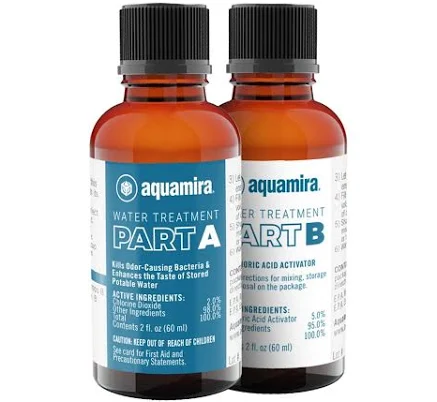
- glass bottles, sodium dichloroisocyanurate treatment chemical
- We found no PFAS statement from the brand
- Chemical overdose or misuse
5 hazards checked on this product, all on its full breakdown.
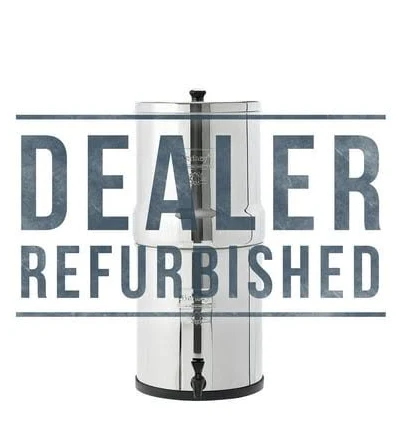
- Stainless steel housing and spigot
- We found no PFAS statement from the brand
- Bacterial growth and biofilm if filters not replaced
5 hazards checked on this product, all on its full breakdown.
- Borosilicate glass pitcher, replaceable activated-carbon filter cartridge
- Bacterial growth in filter cartridge if unmaintained
5 hazards checked on this product, all on its full breakdown.
More water filters grades
How we score, every product runs through the same public 0-100 rubric based on materials, coatings, brand disclosure, lab findings, and recalls. See the full methodology → Spotted a mistake? Report an error.