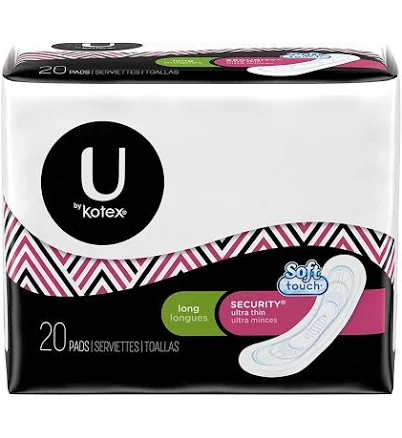
U by Kotex Security Ultra Thin Pads
Lower-concern materials; no known PFAS risk, but brand offers no disclosure.
Period pads use standard absorptive fibers and adhesives with no established PFAS association. Kotex provides no PFAS transparency, limiting full confidence.
We flunk more products than we pass. This one earned its grade. How we grade
Material
rayon/viscose, polypropylene, cotton, adhesives
Brand disclosure
Brand is silent on PFAS
Lab data
No public lab test
What U by Kotex Security Ultra Thin Pads is made of, ingredients and materials
U by Kotex Security Ultra Thin uses rayon/viscose as the absorbent core, polypropylene as the backing layer, cotton in the top sheet, and adhesives to secure the pad to underwear. Rayon and polypropylene are widely used in menstrual products and do not leach known endocrine disruptors under normal use conditions. The adhesive formulation is not publicly detailed, so component-level scrutiny is limited to what Kotex discloses.
What’s concerning
Category baseline
The starting point for this type of product, before anything specific to this product is counted.
No PFAS disclosure
No public statement from the brand about PFAS in this product.
Adhesive allergens or irritants
Kotex does not disclose the adhesive formulation. Some menstrual pad adhesives can cause skin irritation or allergic contact dermatitis in sensitive individuals, though mass-market products rarely report widespread incidents.
Bacterial overgrowth if not changed regularly
Any absorbent menstrual product can support bacterial growth if left in place for extended periods; this is not specific to Kotex but a universal hygiene consideration for the category. Changing pads every 4-8 hours minimizes this risk.
What’s reassuring
Base material not linked to PFAS
The main material recorded for this product is not one associated with PFAS.
Rayon/viscose degradation or fragmentation
Rayon is a regenerated cellulose fiber and does not fragment into microplastics under normal use. No evidence of fiber shedding or skin contamination from rayon pads in this product class is on record.
Heavy metals
Menstrual pads are not typically dyed for visual appearance in the absorbent layers, and Kotex does not market this product with decorative coatings. No heavy metal contamination in pads from this manufacturer is documented.
Source, FDA ↗Formaldehyde / VOCs
Rayon production does not inherently require formaldehyde-releasing binders in the finished pad. No evidence of formaldehyde exposure from standard rayon-polypropylene menstrual pads is on record.
Source, ATSDR ↗The full breakdown
The brand's record and disclosure
Kotex (owned by Kimberly-Clark) does not publicly detail the full ingredient list, allergen profile, or chemical testing results for this product on its website or packaging. No major safety recalls specific to this pad line are on record. The brand has not released a transparency report on PFAS use or a commitment to phase out fluorochemicals, leaving consumers reliant on material class assessment rather than company assurance.
How it compares in its category
Ultra-thin pads in the mass-market segment typically use rayon/viscose and polypropylene, making this product materially typical. Some premium or organic alternatives use certified organic cotton and plant-based adhesives, though these carry higher cost. Kotex Security's positioning is standard absorbency and discreteness without material differentiation or third-party certification, so it sits in the middle of the safety and transparency spectrum for the category.
If you buy it
Store in a cool, dry location away from direct heat or moisture to prevent adhesive degradation. Change pads every 4-8 hours depending on flow to reduce bacterial overgrowth risk and skin irritation. If you experience persistent itching, rash, or allergic reaction, discontinue use and consult a healthcare provider, as individual sensitivity to adhesive or rayon can occur. No special laundering or maintenance applies once discarded; dispose as regular waste per local guidelines.
What we don’t know
- Basis
- Model estimate, 62% confidence, not a lab result
- Lab test
- None on record for this exact product
- Brand statement
- Kotex Security has made none
Formulations change between production runs, so check the current label. How we grade.
Better-graded alternatives in Period Pads
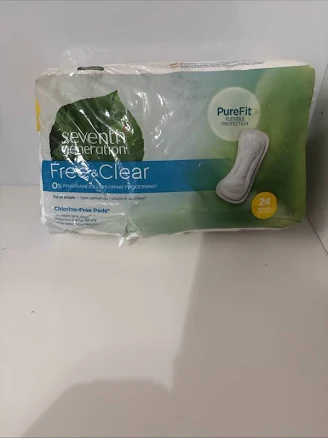
Seventh Generation
Chlorine Free Maxi Pads
- organic cotton, wood pulp
- The brand calls it PFAS-free, which we have not verified
- Fragrance allergen content
More period pads grades
How we score, every product runs through the same public 0-100 rubric based on materials, coatings, brand disclosure, lab findings, and recalls. See the full methodology → Spotted a mistake? Report an error.