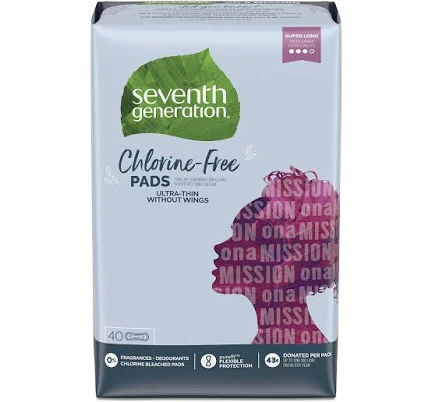
Seventh Generation · Period Pads
Seventh Generation Ultra Thin Pads without Wings Super Long 40 count
Lower concern; natural materials, no PFAS-typical use, but no brand disclosure.
Seventh Generation pads use cellulose and cotton without disclosed water-resistant treatments. No evidence of PFAS use, though brand offers no explicit PFAS assurance.
We flunk more products than we pass. This one earned its grade. How we grade
Material
cellulose, cotton, fluff pulp
Lab data
No public lab test
What Seventh Generation Ultra Thin Pads is made of, ingredients and materials
This product is constructed from cellulose (wood pulp), cotton, and fluff pulp, materials chosen for absorbency and softness rather than synthetic polymers. None of these base materials are known sources of restricted chemicals like phthalates, BPA, or flame retardants in the period-care context. The composition aligns with absorbent hygiene product standards, where the primary functional concern is liquid retention and comfort, not coating durability or leaching risk.
What’s concerning
Category baseline
The starting point for this type of product, before anything specific to this product is counted.
No PFAS disclosure
No public statement from the brand about PFAS in this product.
Bleach residues and processing chemicals
Cellulose pulp is typically bleached during manufacturing. Seventh Generation does not publicly disclose bleach type or residual chlorine/dioxin levels for this product; residues are not known to pose acute risk in absorbent pad contact, but transparency is absent.
Bacterial growth or pathogenic contamination during storage
Cellulose absorbs moisture; if pads are exposed to high humidity or damp conditions before use, microbial growth is theoretically possible. Store in sealed, dry packaging as provided and use within shelf life to minimize this risk.
What’s reassuring
Base material not linked to PFAS
The main material recorded for this product is not one associated with PFAS.
Formaldehyde / VOCs
No evidence of formaldehyde-based resin use in cellulose pad construction; formaldehyde risk is specific to textile finishing and cosmetics, not typical for this material class in pads.
Source, ATSDR ↗Azo dyes
Period-care pads are not dyed for color; cellulose and cotton materials remain naturally off-white or unbleached. Azo dye hazard does not apply.
Fragrance or irritant additives
Product label does not indicate added fragrance, dyes, or lotions. If fragrance-free claim is accurate, this hazard is not present; no recall or complaint record establishes irritant additives in this line.
The full breakdown
The brand's record and disclosure
Seventh Generation markets itself as an eco-conscious brand and has published environmental and ingredient transparency for many product lines. However, no comprehensive third-party certification (e.g., OEKO-TEX, cradle-to-cradle) is documented for this specific pad line on public record. The brand's silence on PFAS is notable given that some period-care products have faced scrutiny for trace PFAS in tree-sourced pulp; Seventh Generation has not publicly addressed this gap, but the natural material profile suggests lower exposure risk than synthetic alternatives.
How it compares in its category
Cellulose-based pads without wings represent a mainstream, lower-chemical-intensity category. Alternatives using super-absorbent polymers (SAP) or synthetic covers introduce additional material complexity and potential for additive leaching; cotton-cellulose blends avoid those. Unbleached or organically certified variants exist but command premium pricing; this product does not claim those certifications, so bleach residues (if used) are possible but not established as a safety concern in pad products.
If you buy it
Store pads in a cool, dry place away from direct sunlight to preserve integrity; no special temperature limits apply to cellulose-based pads. Use within shelf life (typically 3-5 years) to avoid material degradation or dust accumulation. Replace pads during use according to flow and comfort; no reuse or rewashing is intended for these single-use products. If any irritation occurs, discontinue use and consult a healthcare provider; individual sensitivity to materials is possible regardless of ingredient safety profile.
What we don’t know
- Basis
- Model estimate, 72% confidence, not a lab result
- Lab test
- None on record for this exact product
- Brand statement
- Seventh Generation has made a specific claim
Formulations change between production runs, so check the current label. How we grade.
Better-graded alternatives in Period Pads
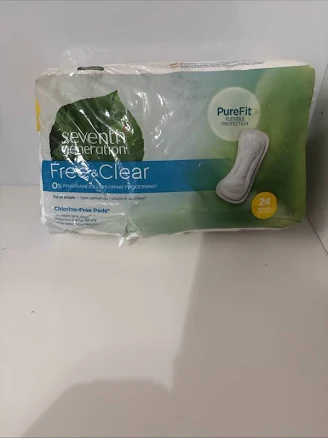
Seventh Generation
Chlorine Free Maxi Pads
- organic cotton, wood pulp
- The brand calls it PFAS-free, which we have not verified
- Fragrance allergen content
More period pads grades
How we score, every product runs through the same public 0-100 rubric based on materials, coatings, brand disclosure, lab findings, and recalls. See the full methodology → Spotted a mistake? Report an error.