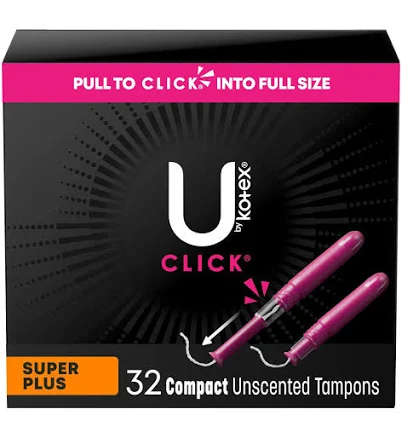
U by Kotex Click Compact Tampons
Lower concern, but brand provides no PFAS transparency.
Tampons are primarily rayon and cardboard, inherently lower PFAS risk materials. Kotex makes no public PFAS claims or third-party certifications for this product.
We flunk more products than we pass. This one earned its grade. How we grade
Material
rayon/viscose and cardboard applicator
Lab data
No public lab test
You may also be interested in
Top-graded picks in the categories readers replace first, every one scored on the same rubric.

- polypropylene filter housing, carbon/sediment cartridge
- We found no PFAS statement from the brand
- Bacterial growth in spent cartridges
3 hazards checked on this product, all on its full breakdown.

Aquasure
Premier Series 75 GPD Under Sink Reverse Osmosis Water Filtration System
- RO membrane, carbon filters, stainless steel housing
- We found no PFAS statement from the brand
- Bacterial and microbial growth in housing and filters
4 hazards checked on this product, all on its full breakdown.

Avocado
Vegan Mattress
- organic cotton, natural latex, coconut coir, recycled steel coils
- The brand calls it PFAS-free, which we have not verified
- Heavy metals
2 hazards checked on this product, all on its full breakdown.
What U by Kotex Click Compact Tampons is made of, ingredients and materials
U by Kotex Click tampons use rayon (viscose) as the primary absorbent material, derived from cellulose and produced via wet-spun processes. The cardboard applicator is a natural material with no reported chemical coating or treatment in public records for this product line. Rayon does not contain synthetic polymers, plasticizers, or known endocrine disruptors; its main manufacturing concern is the viscose production process itself, which has established environmental controls but is not directly a consumer health hazard in the finished product.
What’s concerning
Category baseline
The starting point for this type of product, before anything specific to this product is counted.
No PFAS disclosure
No public statement from the brand about PFAS in this product.
PFAS
PFAS-containing water repellents can be applied to cardboard during manufacturing, though not confirmed for U by Kotex Click. Brand silence on testing means presence cannot be ruled out, but the 70/100 PFAS safety score suggests lower likelihood compared to synthetic-heavy or heavily coated applicators.
Source, ATSDR ↗What’s reassuring
Base material not linked to PFAS
The main material recorded for this product is not one associated with PFAS.
Viscose/rayon manufacturing by-products (sodium hydroxide, sulfuric acid residues)
Regulated industrial controls in viscose production mean residual chemicals in finished rayon fibers are below detection in consumer testing. No reports of irritation or chemical exposure from U by Kotex rayon tampons in public safety databases.
Bleaching agents and dioxins in rayon
Chlorine bleaching of rayon can theoretically produce trace dioxins; however, modern US and EU manufacturing standards limit this, and no dioxin contamination has been reported in mainstream tampon products including Kotex lines.
Formaldehyde / VOCs
Cardboard applicators in this product are not described as treated or coated. Standard cardboard does not contain formaldehyde resins; no release mechanism or hazard is on record for Kotex cardboard applicators.
Source, ATSDR ↗Pesticide residue
Rayon is derived from wood pulp; pesticide residues in source material are not a documented concern in finished consumer tampons and are not reported for Kotex products.
Source, EPA ↗How is this PFAS grade calculated?
The brand's record and disclosure
Kotex (Kimberly-Clark subsidiary) does not publish detailed ingredient lists or third-party certifications for tampons on its website. The brand has not made public statements on PFAS avoidance or testing, placing it in the silent-disclosure category shared by most mainstream tampon manufacturers. No recalls or safety violations specific to U by Kotex Click tampons have been reported in FDA or Consumer Product Safety Commission records. Absence of transparency does not indicate a hazard, but limits independent verification of manufacturing controls.
How it compares in its category
Rayon-based tampons dominate the market and carry a lower chemical-hazard profile than synthetic-fiber blends or applicators with plastic or coatings. Cardboard applicators avoid the leaching concerns of plastic applicators (BPA, phthalates) and avoid the grip-surface treatments sometimes found on plastic versions. U by Kotex Click sits in the standard mainstream segment; organic-certified or independently tested brands (e.g., Cora, Seventh Generation) offer greater transparency but at higher cost. The PFAS score of 70/100 aligns with industry average for conventional rayon tampons.
If you buy it
Store tampons in a cool, dry place away from direct sunlight to prevent any minor moisture absorption by cardboard. Applicators are single-use; do not reuse or expose to heat. Dispose of tampons and applicators according to local guidelines (do not flush cardboard). No special handling is required beyond standard menstrual product hygiene; the product carries no heat-sensitive components or maintenance steps.
What is not known about PFAS in this product?
- Basis
- Model estimate, 72% confidence, not a lab result
- Lab test
- None on record for this exact product
- Brand statement
- U by Kotex has made a specific claim
Formulations change between production runs, so check the current label. How we grade.
What are the PFAS-free alternatives to U by Kotex Click Compact Tampons?
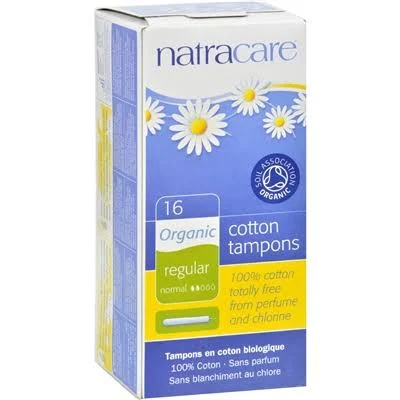
- 100% organic cotton
- A third party reports verifying it as PFAS-free
- Heavy metals
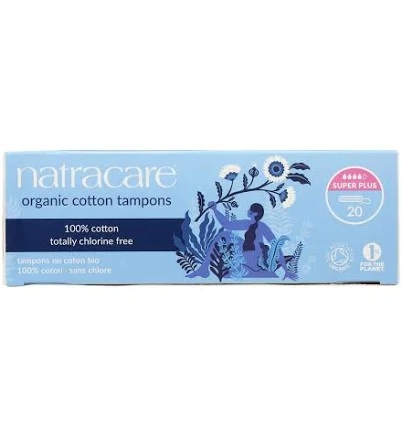
Natracare
Organic Super Plus Tampons, 3 x 20 ct
- organic cotton, cardboard applicator
- The brand calls it PFAS-free, which we have not verified
- Dioxins from bleaching
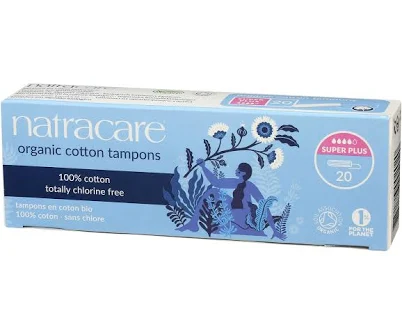
Natracare
Organic Cotton Super Plus Tampons
- organic cotton, no added fluorochemicals
- The brand calls it PFAS-free, which we have not verified
- Verified PFAS-free by a third party
More tampons grades
How we score, every product runs through the same public 0-100 rubric based on materials, coatings, brand disclosure, lab findings, and recalls. See the full methodology → Spotted a mistake? Report an error.