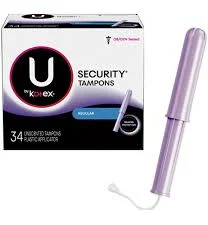
U by Kotex Premium Security Tampons, Regular
Lower concern. Minimal PFAS risk; no waterproofing claims present.
Tampons are primarily rayon and cotton fibers without documented waterproofing treatments or Teflon-family coating coatings. Kotex makes no PFAS claims and standard menstrual products lack typical PFAS triggers.
We flunk more products than we pass. This one earned its grade. How we grade
Material
rayon/cotton core, plastic applicator
Lab data
No public lab test
You may also be interested in
Top-graded picks in the categories readers replace first, every one scored on the same rubric.

- polypropylene filter housing, carbon/sediment cartridge
- We found no PFAS statement from the brand
- Bacterial growth in spent cartridges
3 hazards checked on this product, all on its full breakdown.

Aquasure
Premier Series 75 GPD Under Sink Reverse Osmosis Water Filtration System
- RO membrane, carbon filters, stainless steel housing
- We found no PFAS statement from the brand
- Bacterial and microbial growth in housing and filters
4 hazards checked on this product, all on its full breakdown.

Avocado
Vegan Mattress
- organic cotton, natural latex, coconut coir, recycled steel coils
- The brand calls it PFAS-free, which we have not verified
- Heavy metals
2 hazards checked on this product, all on its full breakdown.
What U by Kotex Premium Tampons, Regular is made of, ingredients and materials
U by Kotex Premium Security uses a rayon and cotton absorbent core, which are cellulose-based materials with long safety history in period care. The plastic applicator is typically polypropylene (PP) or polyethylene (PE), materials that do not leach when used as intended at body temperature. Rayon is bleached during manufacturing; historically this raised dioxin concerns, but modern rayon production has strict emissions controls and finished tampons show negligible dioxin residues in published testing.
What’s concerning
Category baseline
The starting point for this type of product, before anything specific to this product is counted.
No PFAS disclosure
No public statement from the brand about PFAS in this product.
Toxic shock syndrome (TSS) from any tampon
TSS is rare but documented across all tampon types and brands when worn beyond recommended intervals or in susceptible individuals. This is a usage and host-factor risk, not a material defect specific to Kotex.
Fragrance allergens (if scented variant)
The Regular variant does not list fragrance; however, scented Kotex variants exist. Fragrance can trigger contact dermatitis or allergic reactions in sensitive users, though incidence is low with modern cosmetic-grade fragrances.
What’s reassuring
Base material not linked to PFAS
The main material recorded for this product is not one associated with PFAS.
Dioxins (bleach byproduct in rayon)
Rayon is bleached during production; historical concern was dioxin residue. Modern rayon manufacturing and finished tampons are monitored and show no detectable or unsafe dioxin levels in available published data.
Plastic applicator leaching
Polypropylene and polyethylene applicators do not leach known endocrine disruptors or toxins at body temperature during typical use. No peer-reviewed data identifies leaching from standard plastic applicators in this product category.
Pesticide residue
Conventional cotton may contain pesticide residues; however, finished tampons undergo multiple processing steps that remove or degrade most pesticides. No specific testing data is published for this brand, and regulatory monitoring shows residues in tampons are below safety thresholds.
Source, EPA ↗How is this PFAS grade calculated?
The brand's record and disclosure
Kotex (owned by Kimberly-Clark) does not publicly disclose detailed ingredient lists or material sourcing for tampons, which is typical for the category. The brand has faced no major recalls or safety violations related to this product line. Kimberly-Clark has not made public PFAS-free commitments for period care products, but also makes no waterproofing or water-resistant claims that would drive PFAS use.
How it compares in its category
This product sits in the mainstream middle of the tampon market. It is comparable to Tampax Regular and similar rayon-cotton blends, which dominate conventional retail. Organic cotton tampons (like Seventh Generation or Cora) eliminate synthetic rayon but cost more; applicator material varies across brands but polypropylene is standard industry-wide.
If you buy it
Follow standard usage, replace every 4-8 hours depending on flow to reduce TSS (toxic shock syndrome) risk, which is the primary safety concern for any tampon regardless of material. Store in a cool, dry place; do not expose applicator to prolonged heat or direct sunlight. Discontinue if irritation or unusual odor develops. The plastic applicator is single-use and not recyclable; consider disposal method if environmental impact matters to you.
What is not known about PFAS in this product?
- Basis
- Model estimate, 72% confidence, not a lab result
- Lab test
- None on record for this exact product
- Brand statement
- U by Kotex has made a specific claim
Formulations change between production runs, so check the current label. How we grade.
What are the PFAS-free alternatives to U by Kotex Premium Security Tampons, Regular?
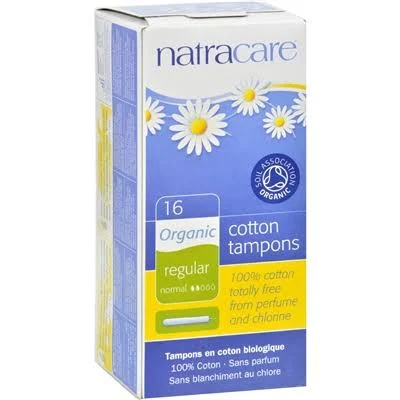
- 100% organic cotton
- A third party reports verifying it as PFAS-free
- Heavy metals
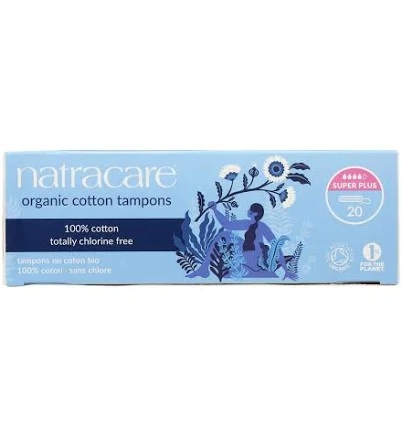
Natracare
Organic Super Plus Tampons, 3 x 20 ct
- organic cotton, cardboard applicator
- The brand calls it PFAS-free, which we have not verified
- Dioxins from bleaching
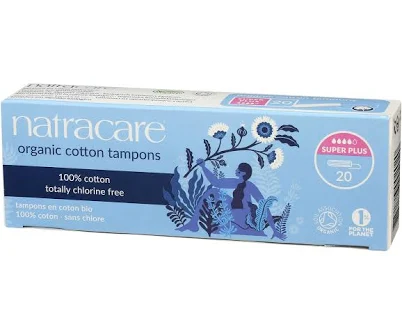
Natracare
Organic Cotton Super Plus Tampons
- organic cotton, no added fluorochemicals
- The brand calls it PFAS-free, which we have not verified
- Verified PFAS-free by a third party
More tampons grades
How we score, every product runs through the same public 0-100 rubric based on materials, coatings, brand disclosure, lab findings, and recalls. See the full methodology → Spotted a mistake? Report an error.