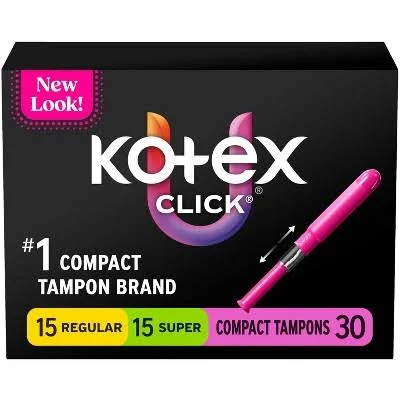
U by Kotex Click Compact Unscented Tampons
Lower concern, though brand discloses nothing.
U by Kotex tampons use standard rayon and cotton materials with no documented PFAS risk. The brand makes no public PFAS claims or independent lab verification available.
We flunk more products than we pass. This one earned its grade. How we grade
Material
Rayon/viscose core, cotton cover, plastic applicator
Lab data
No public lab test
You may also be interested in
Top-graded picks in the categories readers replace first, every one scored on the same rubric.

- polypropylene filter housing, carbon/sediment cartridge
- We found no PFAS statement from the brand
- Bacterial growth in spent cartridges
3 hazards checked on this product, all on its full breakdown.

Aquasure
Premier Series 75 GPD Under Sink Reverse Osmosis Water Filtration System
- RO membrane, carbon filters, stainless steel housing
- We found no PFAS statement from the brand
- Bacterial and microbial growth in housing and filters
4 hazards checked on this product, all on its full breakdown.

Avocado
Vegan Mattress
- organic cotton, natural latex, coconut coir, recycled steel coils
- The brand calls it PFAS-free, which we have not verified
- Heavy metals
2 hazards checked on this product, all on its full breakdown.
What U by Kotex Click Compact Unscented Tampons is made of, ingredients and materials
U by Kotex Click tampons use a rayon/viscose core (common in most commercial tampons for absorbency), a cotton cover, and a plastic applicator. Rayon and cotton do not leach toxic metals or endocrine disruptors under normal use conditions. The plastic applicator is typically polypropylene or similar thermoplastic, which does not degrade or leach during brief insertion and contact with body fluids at normal temperature.
What’s concerning
Category baseline
The starting point for this type of product, before anything specific to this product is counted.
No PFAS disclosure
No public statement from the brand about PFAS in this product.
Chlorine residues (dioxins) from bleaching
Rayon and cotton tampons may be bleached with chlorine compounds; conventional manufacturers (including Kotex) do not disclose bleaching methods. Dioxin residues, if present, occur in trace amounts not associated with acute toxicity in published literature, but organic/chlorine-free brands offer elimination of this uncertainty.
Pesticide residue
Cotton cover is not certified organic; residues of synthetic pesticides used in conventional cotton farming may persist. Exposure during vaginal insertion is minimal and diluted by mucous membranes, but individuals with chemical sensitivities or those seeking precaution may prefer organic-certified alternatives.
Source, EPA ↗Toxic shock syndrome (TSS) risk
TSS is a rare but serious bacterial infection associated with all tampon use, not specific to Kotex or material type. Risk is minimized by changing tampons every 4-8 hours and alternating with pads. This is a product-category hazard, not a manufacturing defect.
What’s reassuring
Base material not linked to PFAS
The main material recorded for this product is not one associated with PFAS.
Formaldehyde / VOCs
Unscented U by Kotex Click is not marketed with antimicrobial or preservative additives typical of scented products. No evidence of formaldehyde releasers in this specific product formulation exists in public records.
Source, ATSDR ↗Plastic applicator off-gassing or leaching
Polypropylene applicators do not release BPA, phthalates, or volatile organic compounds under normal vaginal conditions (brief contact, body temperature). Applicator materials are inert and non-absorbent.
How is this PFAS grade calculated?
The brand's record and disclosure
Kotex (Kimberly-Clark) has not published ingredient transparency reports or third-party certifications (e.g., organic, chlorine-free, or heavy-metal testing) for this product line. The brand does not publicly disclose PFAS testing or avoidance. No product recalls or regulatory violations specific to U by Kotex tampons are on record. Absence of disclosure is typical for conventional tampon manufacturers but limits independent verification.
How it compares in its category
U by Kotex Click sits in the mainstream, non-premium segment. It lacks certifications held by organic (GOTS) or chlorine-free brands, which some consumers prioritize. Material composition (rayon core, plastic applicator) is identical to most mass-market brands. Unscented formulation avoids fragrance additives that can trigger irritation in sensitive users, a practical advantage over scented variants.
If you buy it
Store in a cool, dry place away from moisture and direct heat; plastic applicators do not require special handling. Replace the product every 4-8 hours depending on flow to reduce toxic shock syndrome risk, regardless of brand. If you experience irritation, itching, or allergic reaction, switch to a hypoallergenic or organic brand to rule out cotton pesticides or processing residues. No maintenance or reuse applies to disposable tampons.
What is not known about PFAS in this product?
- Basis
- Model estimate, 72% confidence, not a lab result
- Lab test
- None on record for this exact product
- Brand statement
- Kotex has made a specific claim
Formulations change between production runs, so check the current label. How we grade.
What are the PFAS-free alternatives to U by Kotex Click Compact Unscented Tampons?
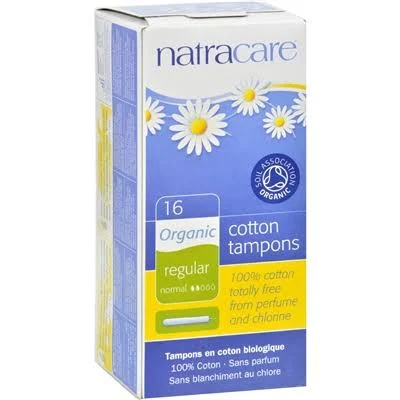
- 100% organic cotton
- A third party reports verifying it as PFAS-free
- Heavy metals
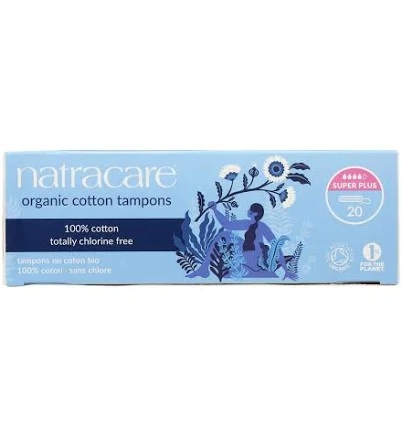
Natracare
Organic Super Plus Tampons, 3 x 20 ct
- organic cotton, cardboard applicator
- The brand calls it PFAS-free, which we have not verified
- Dioxins from bleaching
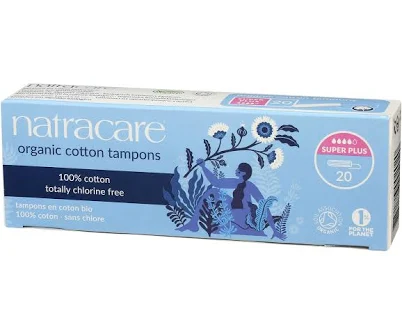
Natracare
Organic Cotton Super Plus Tampons
- organic cotton, no added fluorochemicals
- The brand calls it PFAS-free, which we have not verified
- Verified PFAS-free by a third party
More tampons grades
How we score, every product runs through the same public 0-100 rubric based on materials, coatings, brand disclosure, lab findings, and recalls. See the full methodology → Spotted a mistake? Report an error.