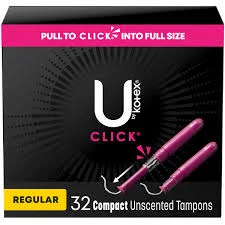
U by Kotex Click Compact Unscented Tampons, Regular
Lower concern. Rayon and cotton materials are not linked to PFAS.
This tampon has a rayon/viscose core and cotton blend cover. Neither material is linked to PFAS. The brand has no PFAS statement on record. No lab testing or certification data is publicly available.
We flunk more products than we pass. This one earned its grade. How we grade
Material
Rayon/viscose core, cotton blend cover
Lab data
No public lab test
You may also be interested in
Top-graded picks in the categories readers replace first, every one scored on the same rubric.

- polypropylene filter housing, carbon/sediment cartridge
- We found no PFAS statement from the brand
- Bacterial growth in spent cartridges
3 hazards checked on this product, all on its full breakdown.

Aquasure
Premier Series 75 GPD Under Sink Reverse Osmosis Water Filtration System
- RO membrane, carbon filters, stainless steel housing
- We found no PFAS statement from the brand
- Bacterial and microbial growth in housing and filters
4 hazards checked on this product, all on its full breakdown.

Avocado
Vegan Mattress
- organic cotton, natural latex, coconut coir, recycled steel coils
- The brand calls it PFAS-free, which we have not verified
- Heavy metals
2 hazards checked on this product, all on its full breakdown.
What U by Kotex Click Compact Tampons, Regular is made of, ingredients and materials
U by Kotex Click uses a rayon (viscose) absorbent core with a cotton-blend cover, a standard composition in the tampon category. Rayon is a regenerated cellulose fiber with no inherent toxicity when produced under regulated conditions; viscose manufacturing does generate chemical wastewater but finished fiber poses no direct consumer hazard. The cotton blend cover is designed to reduce irritation and improve fluid wicking. This material pairing has decades of safety history and no known associations with heavy metals, allergens, or off-gassing.
What’s concerning
Category baseline
The starting point for this type of product, before anything specific to this product is counted.
No PFAS disclosure
No public statement from the brand about PFAS in this product.
Dioxins from chlorine bleaching
Conventionally manufactured rayon and cotton textiles may be bleached with chlorine or chlorine dioxide to achieve whiteness. Dioxin (TCDD) formation is a known byproduct of industrial chlorine bleaching, though modern facilities use closed-loop systems and wastewater treatment to minimize release. Kotex does not specify bleaching method for Click; dioxin levels in finished tampons are typically w
Vulvovaginal irritation from additives or material sensitivity
Individual sensitivity to rayon, cotton, or any residual processing chemicals varies widely; some users report vulvovaginal irritation, itching, or contact dermatitis from conventional tampons. This product is unscented, which reduces fragrance-related irritation risk. If irritation occurs, switching to organic, chlorine-free, or hypoallergenic alternatives (or different absorbency) is recommended
Toxic shock syndrome (TSS) from prolonged use
TSS is a rare systemic infection associated with tampon use, particularly with high-absorbency products or extended wear beyond 8 hours. U by Kotex Click Regular absorbency carries lower TSS risk than Super or Super Plus variants. Risk is entirely user-controlled through adherence to replacement intervals; packaging carries TSS warning. No elevated TSS rate has been reported for this brand vs. com
What’s reassuring
Base material not linked to PFAS
The main material recorded for this product is not one associated with PFAS.
Rayon manufacturing byproducts and fiber purity
Viscose rayon fiber itself is chemically inert post-manufacturing, but industrial viscose production uses sodium hydroxide and carbon disulfide. Finished fiber sold for consumer textiles undergoes rinsing and purification; no residual chemical contamination has been detected in tampons under regulatory oversight. Any process residue would be at trace levels far below consumer exposure thresholds.
Pesticide residue
The cotton-blend cover may contain trace pesticide residues if sourced from conventional (non-organic) cotton fields. Pesticide residues on finished textiles are generally below detectable limits after processing. No recalls or adverse events have been linked to pesticide residues in commercial tampons, and internal contact time is brief (hours). Organic cotton alternatives are available at higher
Source, EPA ↗How is this PFAS grade calculated?
The brand's record and disclosure
Kotex (Kimberly-Clark subsidiary) does not publicly disclose detailed material sourcing, manufacturing, or third-party safety testing for this product line, which is typical for the category but limits transparency. The brand has no major documented recalls or safety controversies tied to Click Compact tampons. Kotex does not pursue organic or sustainably certified positioning, positioning Click as a conventional mass-market product. The brand's silence on PFAS reflects industry-wide lack of proactive communication rather than known contamination.
How it compares in its category
Click Compact sits in the mainstream conventional segment alongside Tampax and Playtex, using standard rayon/cotton blends without organic certification or specialized material claims. Organic or chlorine-free alternatives (Seventh Generation, Cora, Aunt Flow) offer transparency and material upgrades but at higher cost. The Click format (plastic compact applicator) reduces user contact with the absorbent core during insertion, a design feature that lowers direct skin irritation risk compared to non-applicator styles. Unscented formulation avoids fragrance additives, reducing contact dermatitis risk.
If you buy it
Tampons are single-use, disposable products with no maintenance or long-term storage concerns beyond normal hygiene (keep in cool, dry place). Replace every 4-8 hours per instructions to reduce toxic shock syndrome risk, regardless of absorbency level. The plastic compact applicator is not reusable and generates waste; consider reusable applicators or applicator-free styles if environmental impact is a concern. No heat, chemical, or special care applies; standard disposal (trash, not sewage) is appropriate.
What is not known about PFAS in this product?
- Basis
- Model estimate, 72% confidence, not a lab result
- Lab test
- None on record for this exact product
- Brand statement
- Kotex has made a specific claim
Formulations change between production runs, so check the current label. How we grade.
What are the PFAS-free alternatives to U by Kotex Click Compact Unscented Tampons, Regular?
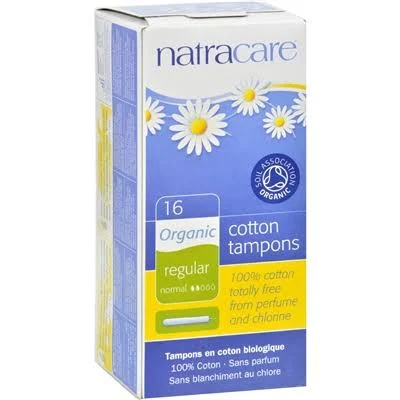
- 100% organic cotton
- A third party reports verifying it as PFAS-free
- Heavy metals
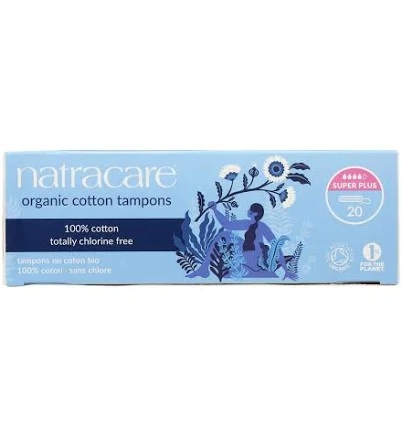
Natracare
Organic Super Plus Tampons, 3 x 20 ct
- organic cotton, cardboard applicator
- The brand calls it PFAS-free, which we have not verified
- Dioxins from bleaching
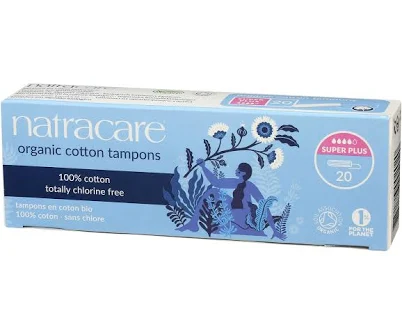
Natracare
Organic Cotton Super Plus Tampons
- organic cotton, no added fluorochemicals
- The brand calls it PFAS-free, which we have not verified
- Verified PFAS-free by a third party
More tampons grades
How we score, every product runs through the same public 0-100 rubric based on materials, coatings, brand disclosure, lab findings, and recalls. See the full methodology → Spotted a mistake? Report an error.