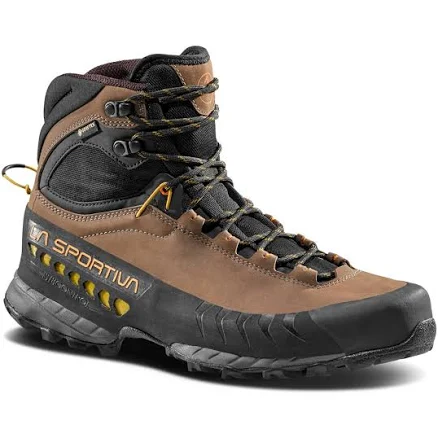
La Sportiva · Waterproof Boots
La Sportiva TX5 GTX Men's
TX5 GTX likely uses PFOA-free Gore-Tex, but brand confirms nothing.
Gore-Tex membranes have shifted away from legacy PFOA, but La Sportiva does not publicly disclose PFAS chemistry or certifications for this model. Waterproof outdoor footwear typically contains fluorinated water-repellent coating treatments with unknown formulation.
Still want this one anyway? Check the price on Amazon. We’d swap it.
Material
synthetic textile with Gore-Tex membrane waterproof layer
Brand disclosure
Brand is silent on PFAS
Lab data
No public lab test
You may also be interested in
Top-graded picks in the categories readers replace first, every one scored on the same rubric.

Aqua Pure
3M Aqua-Pure AP802B Whole House Filter Housing
- polypropylene filter housing, carbon/sediment cartridge
- We found no PFAS statement from the brand
- Bacterial growth in spent cartridges
3 hazards checked on this product. See all of them.

Aquasure
Premier Series 75 GPD Under Sink Reverse Osmosis Water Filtration System
- RO membrane, carbon filters, stainless steel housing
- We found no PFAS statement from the brand
- Bacterial and microbial growth in housing and filters
4 hazards checked on this product. See all of them.

Avocado
Vegan Mattress
- organic cotton, natural latex, coconut coir, recycled steel coils
- The brand calls it PFAS-free, which we have not verified
- Heavy metals
2 hazards checked on this product. See all of them.
What La Sportiva TX5 GTX Men's is made of, ingredients and materials
The TX5 GTX combines synthetic uppers (likely polyester or nylon blend) with a Gore-Tex waterproof-breathable membrane laminated to the interior. Gore-Tex itself is expanded Teflon-type coating (polytetrafluoroethylene) and does not off-gas Teflon-type coating fumes under normal wear temperatures; the synthetic textile shell is the primary chemical contact surface. Polyester and nylon uppers carry minimal risk of leaching hazards when unworn or worn at body temperature, though dyes and finishing resins applied during manufacturing are the main concern.
What’s concerning
Waterproof / stain-resistant treatment
Water-repellent coating treatments have historically used PFAS.
Category baseline
The starting point for this type of product, before anything specific to this product is counted.
No PFAS disclosure
No public statement from the brand about PFAS in this product.
Azo dyes
Synthetic textile uppers are typically dyed with reactive or disperse dyes, some of which may include azo linkages. La Sportiva discloses no testing or restrictions; azo dyes themselves are regulated in EU textiles (GOTS standard limits certain anilines), but La Sportiva does not certify to Bluesign or equivalent, so no assurance of compliance is available.
Formaldehyde / VOCs
Synthetic textiles often receive formaldehyde-based cross-linking resins during dye-setting and water-repellent finishing (separate from PFAS waterproofing). No test results or restricted-substance list from La Sportiva is public; off-gassing risk is low during normal wear but possible during first few uses.
Source, ATSDR ↗Antimony in polyester
If uppers include polyester, antimony trioxide is commonly used as a catalyst in polymerization and residual traces may remain in the finished fiber. EU food-contact plastics limit antimony; textiles have no equivalent limit. Skin contact risk from residual antimony is considered negligible by toxicology literature, but formal testing of this specific boot is not public.
What’s reassuring
Heavy metals
Cadmium and lead in textile colorants are restricted under REACH and CPSIA in most of La Sportiva's markets; no recalls or reports of metal contamination in La Sportiva apparel are on record. Risk is minimal for this product category.
Source, FDA ↗Gore-Tex membrane off-gassing or degradation
Gore-Tex Teflon-type coating membranes do not emit Teflon-type coating fumes at body-temperature wear; no established chemical leaching into sweat or food contact occurs. Membrane can degrade mechanically over years of use, but this is wear rather than toxicological hazard.
The full breakdown
The brand's record and disclosure
La Sportiva is a private Italian outdoor-equipment maker with no public chemical disclosure policy or third-party certifications (Bluesign, GOTS) on record for apparel lines. The brand has not published statements on formaldehyde, azo dyes, heavy metals in colorants, or PFAS use in waterproofing. This silence reflects a gap in transparency rather than confirmed absence of concern; outdoor brands typically do not disclose textile chemical inventories unless pressured by regulation or market demand.
How it compares in its category
Technical hiking boots are a high-durability segment where synthetic uppers and Gore-Tex or equivalent membranes are standard across most brands (Salomon, Merrell, Scarpa). La Sportiva sits midrange in price and market share; competitors like Scarpa and Salomon similarly lack public textile chemical disclosures. The TX5 GTX is not a budget synthetic or mass-market fashion boot, so it avoids the lowest-cost manufacturing environments where chemical shortcuts are most common, but also carries no certified compliance premium over mid-tier rivals.
If you buy it
Rinse the boots with cool water after muddy or salty use to remove residual soil and prevent salt accumulation that can degrade the synthetic upper over time. Dry at room temperature away from direct heat (not radiators, dryers, or sunlight for prolonged periods), as excessive heat can damage both the Gore-Tex bond and synthetic fibers. Replace boots when the sole shows significant wear or the Gore-Tex membrane begins to fail (water seeping through despite waterproofing treatment); typical lifespan is 2-4 years of regular backcountry use. Machine wash is not recommended; spot-clean with mild soap and water instead.
What we don’t know
- Basis
- Model estimate, 45% confidence, not a lab result
- Lab test
- None on record for this exact product
- Brand statement
- La Sportiva has made none
Formulations change between production runs, so check the current label. How we grade.
Better-graded alternatives in Waterproof Boots
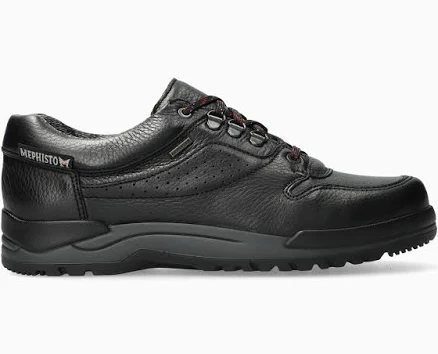
Mephisto
Men Mephisto Curt Mt SNEAKER
- leather, textile, rubber sole
- We found no PFAS statement from the brand
- Volatile organic compounds (VOC) off-gassing from adhesives
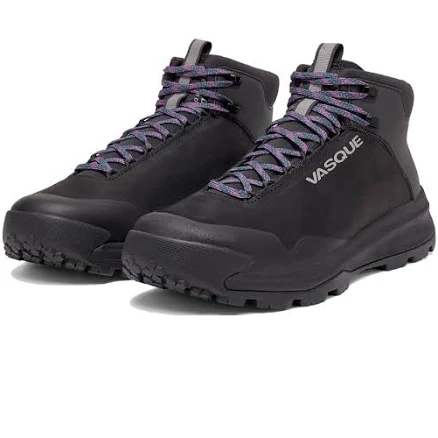
Vasque
Hiking shoes Vasque Women's Horizon Mid
- Leather/nubuck upper, synthetic/rubber sole, no coating disclosed
- We found no PFAS statement from the brand
- Azo dyes (leather/textile coloring)
4 hazards checked on this product. See all of them.
Find an alternative on AmazonMore waterproof boots grades
How we score, every product runs through the same public 0-100 rubric based on materials, coatings, brand disclosure, lab findings, and recalls. See the full methodology → Spotted a mistake? Report an error.