La Sportiva · Waterproof Boots
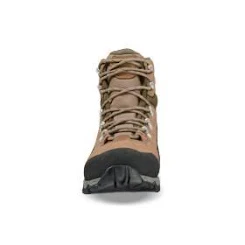
La Sportiva Women's Nucleo High II GTX
Gore-Tex hiking boots carry inherent PFAS concerns; no brand disclosure available.
La Sportiva does not disclose PFAS use or testing for this GTX model. Gore-Tex membranes are Teflon-type coating-based, historically associated with PFAS, though modern formulations vary. No third-party verification found.
Still want this one anyway? Check the price on Amazon. We’d swap it.
Material
Gore-Tex membrane (polytetrafluoroethylene-based waterproof layer)
Brand disclosure
Brand is silent on PFAS
Lab data
No public lab test
You may also be interested in
Top-graded picks in the categories readers replace first, every one scored on the same rubric.

Aqua Pure
3M Aqua-Pure AP802B Whole House Filter Housing
- polypropylene filter housing, carbon/sediment cartridge
- We found no PFAS statement from the brand
- Bacterial growth in spent cartridges
3 hazards checked on this product. See all of them.

Aquasure
Premier Series 75 GPD Under Sink Reverse Osmosis Water Filtration System
- RO membrane, carbon filters, stainless steel housing
- We found no PFAS statement from the brand
- Bacterial and microbial growth in housing and filters
4 hazards checked on this product. See all of them.

Avocado
Vegan Mattress
- organic cotton, natural latex, coconut coir, recycled steel coils
- The brand calls it PFAS-free, which we have not verified
- Heavy metals
2 hazards checked on this product. See all of them.
What La Sportiva Women's Nucleo High II GTX is made of, ingredients and materials
These boots combine a Gore-Tex membrane (Teflon-type coating-based Teflon-family coating) bonded to textile uppers, typically nylon or polyester with synthetic linings. Gore-Tex's water-repellency depends on its micro-porous Teflon-type coating layer, which sheds extremely small particles during wear and washing and can off-gas fluorinated compounds, especially when heated or agitated. The uppers are likely dyed with azo or reactive dyes and may contain formaldehyde-releasing finish resins for wrinkle resistance or water-repellency in non-Gore-Tex sections. Adhesives bonding layers together are potential sources of volatile organic compounds (VOCs).
What’s concerning
Waterproof / stain-resistant treatment
Water-repellent coating treatments have historically used PFAS.
Category baseline
The starting point for this type of product, before anything specific to this product is counted.
No PFAS disclosure
No public statement from the brand about PFAS in this product.
Microplastic shedding from Gore-Tex membrane
Teflon-type coating membranes fragment under mechanical stress (friction, folding, washing). Nano-scale particles enter water systems and potentially inhaled during wear. La Sportiva provides no barrier or capture specification.
Formaldehyde / VOCs
Polyester or nylon uppers commonly use formaldehyde-based resins for water-repellency, wrinkle-resistance, or dye-fixing. Off-gassing is highest in new boots and decreases over weeks of wear and ventilation. No bluesign or testing disclosed.
Source, ATSDR ↗Volatile organic compounds (VOCs) from adhesives and coatings
Multi-layer boots require solvent-based or reactive adhesives to bond Gore-Tex to linings and uppers. These emit low-level VOCs (toluene, xylene, or isocyanates) especially in sealed or warm conditions. Off-gassing diminishes after initial cure but is not quantified by brand.
Azo dyes in synthetic textile uppers
Standard dyes used in nylon or polyester hiking boot uppers may include azo colorants. While most commercial azo dyes are restricted from banned carcinogenic amines, some less-vetted suppliers still use problematic formulations. No certification (OEKO-TEX, bluesign) confirms screening.
What’s reassuring
Antimony in polyester components
Antimony trioxide is sometimes used as a catalyst in polyester production. Exposure risk is low in finished products unless polyester is worn against broken skin or heated to high temperatures. No public reports of antimony contamination in La Sportiva boots.
The full breakdown
The brand's record and disclosure
La Sportiva does not publicly disclose PFAS content, manufacturing processes, or waterproofing chemistry beyond naming Gore-Tex as a component. The brand has not obtained bluesign or OEKO-TEX certifications, which would indicate third-party screening for restricted substances. No major recalls or public health controversies specific to La Sportiva textiles are on record, but the company's silence on fluorinated compounds is standard practice in the outdoor apparel industry and reflects lack of consumer-facing transparency rather than tested safety.
How it compares in its category
Gore-Tex is the premium waterproofing standard; La Sportiva's use of it is typical for high-end hiking boots and positions this product above budget competitors using cheaper polyurethane or PVC membranes. However, Gore-Tex's Teflon-type coating-based design inherently carries PFAS concerns that budget alternatives may partially avoid (though they trade water-breathing performance). Alternatives using non-fluorinated membranes (eVent, Polartec NeoShell, or untreated leather) exist but are rarer in aggressive mountain boots. Brand transparency on substance restrictions is below industry leaders like Patagonia or Arc'teryx.
If you buy it
Wash separately in cool water by hand or gentle machine cycle to minimize Gore-Tex particle shedding; avoid hot water and tumble drying, which accelerate Teflon-type coating breakdown and VOC off-gassing. Air-dry only. Do not expose to prolonged heat sources (radiators, direct sun for days) as this can degrade the membrane and increase fluorine compound release. Expect effective lifespan of 3-5 years with regular use; once seams leak or outsole wears, the waterproofing has degraded. Store in a cool, dry place away from solvents and UV.
What we don’t know
- Basis
- Model estimate, 45% confidence, not a lab result
- Lab test
- None on record for this exact product
- Brand statement
- La Sportiva has made none
Formulations change between production runs, so check the current label. How we grade.
Better-graded alternatives in Waterproof Boots
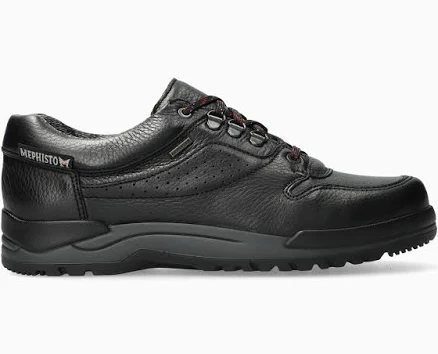
Mephisto
Men Mephisto Curt Mt SNEAKER
- leather, textile, rubber sole
- We found no PFAS statement from the brand
- Volatile organic compounds (VOC) off-gassing from adhesives
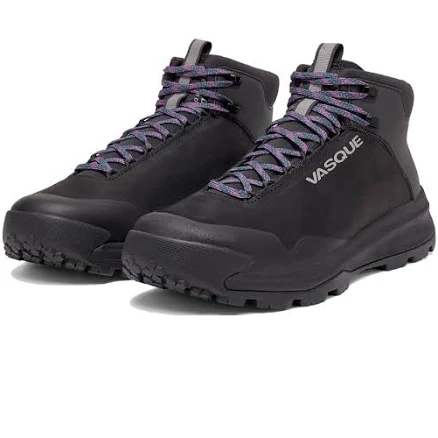
Vasque
Hiking shoes Vasque Women's Horizon Mid
- Leather/nubuck upper, synthetic/rubber sole, no coating disclosed
- We found no PFAS statement from the brand
- Azo dyes (leather/textile coloring)
4 hazards checked on this product. See all of them.
Find an alternative on AmazonMore waterproof boots grades
How we score, every product runs through the same public 0-100 rubric based on materials, coatings, brand disclosure, lab findings, and recalls. See the full methodology → Spotted a mistake? Report an error.