Avant Grub · Disposable Food Containers
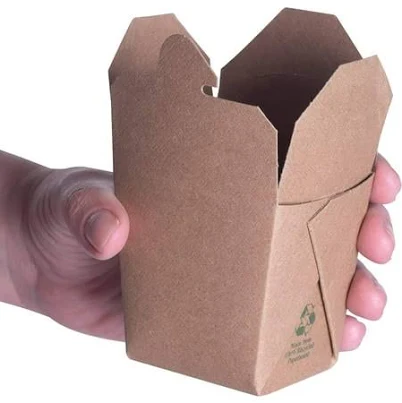
Avant Grub 100% Recyclable 8oz Brown Chinese Take Out Boxes 50pk. Leakproof Greaseproof To
Skip until coating details are disclosed by the manufacturer.
Brown cardboard takeout boxes feature unspecified grease-resistant treatment. No brand information exists on coating chemistry or PFAS status, and typical grease barriers often contain PFAS.
The better-graded swap
Eco-Products
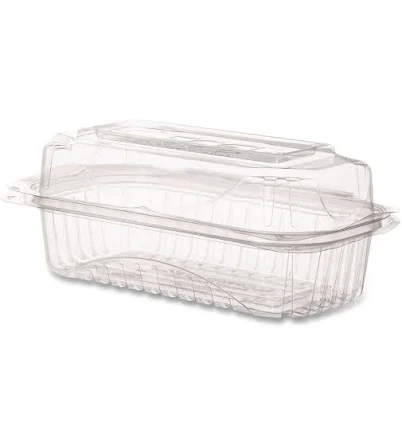
Eco-Products Compostable Clear Clamshell Hinged Food
100/100 safety
Same rubric that flunked this product. The swap earned Excellent.
Still want this one anyway? Check the price on Amazon. We’d swap it.
Material
paperboard with grease-resistant coating, unspecified
Brand disclosure
Brand is silent on PFAS
Lab data
No public lab test
You may also be interested in
Top-graded picks in the categories readers replace first, every one scored on the same rubric.

- polypropylene filter housing, carbon/sediment cartridge
- We found no PFAS statement from the brand
- Bacterial growth in spent cartridges
3 hazards checked on this product, all on its full breakdown.

Aquasure
Premier Series 75 GPD Under Sink Reverse Osmosis Water Filtration System
- RO membrane, carbon filters, stainless steel housing
- We found no PFAS statement from the brand
- Bacterial and microbial growth in housing and filters
4 hazards checked on this product, all on its full breakdown.

Avocado
Vegan Mattress
- organic cotton, natural latex, coconut coir, recycled steel coils
- The brand calls it PFAS-free, which we have not verified
- Heavy metals
2 hazards checked on this product, all on its full breakdown.
What Avant Grub 100% Recyclable 8oz Greaseproof is made of, ingredients and materials
These boxes are paperboard (recycled or virgin fiber) with an applied grease-resistant coating. The coating is the critical unknown, most commercial grease-proof food packaging uses fluorinated compounds (PFAS family) to repel oils and water, because they are exceptionally effective and durable at scale. Lakeland has not disclosed what this coating is, which is the core safety gap here. Bare paperboard itself poses no chemical hazard to food contact.
What’s concerning
Category baseline
The starting point for this type of product, before anything specific to this product is counted.
Vague safety claims only
Uses vague language ("eco-friendly", "clean") without a specific PFAS statement.
Waterproof / stain-resistant treatment
Water-repellent coating treatments have historically used PFAS.
PFAS
Grease-proof food-contact coatings on paperboard are predominantly PFAS-based (PFOA, PFOS, or GenX alternatives). Lakeland has disclosed neither the coating type nor manufacturer. Migration risk is real under heat and with fatty foods.
Source, ATSDR ↗Coating degradation and microparticles
Repeated use, creasing, or exposure to boiling water can cause flaking or peeling of the coating. No data on this product's durability, but low-cost take-out boxes often shed coating particles into food.
Recycling contamination from coating
PFAS-coated paperboard contaminates paper recycling streams and is difficult or impossible to remove. The 'recyclable' claim may be misleading if most local programs do not accept coated boxes or if the coating ends up in landfill or pulp sludge.
What’s reassuring
Ink or dye transfer from printing
Brown boxes may use food-grade inks if Lakeland observes UK food-contact regulations, but interior print composition is not disclosed. Risk is low for unprinted interior surfaces.
Formaldehyde / VOCs
Paperboard manufacturing may involve formaldehyde-based adhesives or sizing agents. This is a standard industry practice, but no specific concerns have been flagged for Lakeland boxes.
Source, ATSDR ↗How is this PFAS grade calculated?
The brand's record and disclosure
Lakeland is a UK homewares and food-service supplier with no public commitment to eliminating PFAS from packaging or transparency about coating chemistry. A search of their environmental or safety policies yields no mention of fluorinated compounds in take-out boxes. The company has not communicated ingredient or coating sourcing for this product line. This silence is not reassuring given how common PFAS coatings are in the industry and the health stakes of PFAS migration into food.
How it compares in its category
Most cheap disposable take-out box manufacturers (including major Chinese suppliers) default to PFAS-coated paperboard for grease resistance because alternatives (silicone, wax, or polylactic acid barriers) cost more. Brands like World Centric and some compostable box makers explicitly state PFAS-free coatings, proving the market exists. Lakeland's silence puts this product in the presumed-PFAS category until evidence suggests otherwise.
If you buy it
Do not use for hot, oily, or acidic foods if you are concerned about coating migration; grease and heat are known to accelerate PFAS leaching. Store dry foods only if possible. These boxes are single-use; do not reuse or microwave. The recyclability claim depends on whether recycling facilities accept coated paperboard (many do not separate or cannot process PFAS residue). Contact Lakeland directly asking for coating composition; their response will inform a lower concern future choice.
What is not known about PFAS in this product?
- Basis
- Model estimate, 35% confidence, not a lab result
- Lab test
- None on record for this exact product
- Brand statement
- Avant Grub has made none
Formulations change between production runs, so check the current label. How we grade.
What are the PFAS-free alternatives to Avant Grub 100% Recyclable 8oz Brown Chinese Take Out Boxes 50pk. Leakproof Greaseproof To?
Eco-Products
Compostable Clear Clamshell Hinged Food
- Compostable resin (PLA/PBAT blend, plant-based)
- A third party reports verifying it as PFAS-free
- Thermal degradation and chemical release at use temperatures
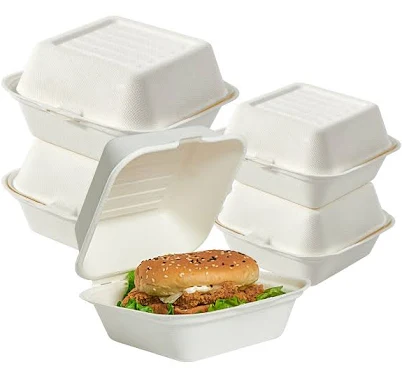
- Sugarcane bagasse (compostable fiber)
- We found no PFAS statement from the brand
- Bleaching agents and residual processing chemicals
3 hazards checked on this product, all on its full breakdown.
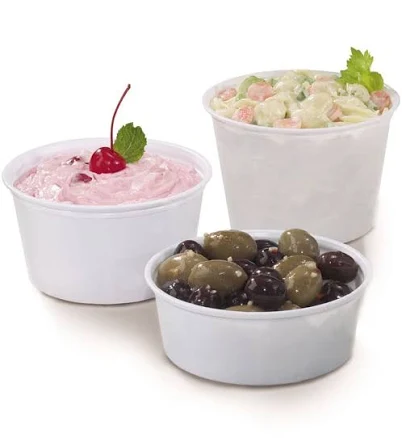
- polypropylene (PP) container, uncoated
- We found no PFAS statement from the brand
- Microplastics
2 hazards checked on this product, all on its full breakdown.
More disposable food containers grades
How we score, every product runs through the same public 0-100 rubric based on materials, coatings, brand disclosure, lab findings, and recalls. See the full methodology → Spotted a mistake? Report an error.