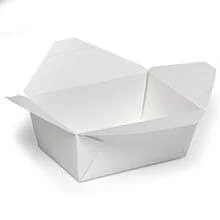
Paper Mart · Disposable Food Containers
Paper Mart Econo-Pak Takeout Box
Skip, standard takeout box coatings frequently contain PFAS without disclosure.
Lakeland's takeout box includes waterproofing but provides no coating material details or PFAS commitment. Typical food packaging coatings carry moderate PFAS risk without independent verification.
The better-graded swap
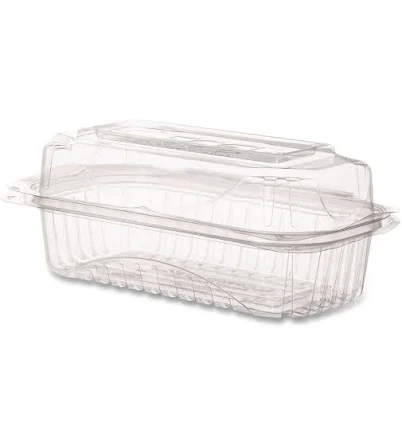
Eco-Products
Eco-Products Compostable Clear Clamshell Hinged Food
100/100 safety
Same rubric that flunked this product. The swap earned Excellent.
Still want this one anyway? Check the price on Amazon. We’d swap it.
Material
Paperboard with unspecified waterproof coating
Brand disclosure
Brand is silent on PFAS
Lab data
No public lab test
You may also be interested in
Top-graded picks in the categories readers replace first, every one scored on the same rubric.

- polypropylene filter housing, carbon/sediment cartridge
- We found no PFAS statement from the brand
- Bacterial growth in spent cartridges
3 hazards checked on this product, all on its full breakdown.

Aquasure
Premier Series 75 GPD Under Sink Reverse Osmosis Water Filtration System
- RO membrane, carbon filters, stainless steel housing
- We found no PFAS statement from the brand
- Bacterial and microbial growth in housing and filters
4 hazards checked on this product, all on its full breakdown.

Avocado
Vegan Mattress
- organic cotton, natural latex, coconut coir, recycled steel coils
- The brand calls it PFAS-free, which we have not verified
- Heavy metals
2 hazards checked on this product, all on its full breakdown.
What Paper Mart Econo-Pak Takeout Box is made of, ingredients and materials
Paper Mart Econo-Pak boxes are paperboard with an unspecified waterproof coating applied to prevent grease and moisture penetration. The coating chemistry is not disclosed by the manufacturer, which is the core safety problem, waterproof coatings on food packaging are the primary vector for PFAS migration into food, especially fatty or hot foods. Without knowing whether the coating is PFAS-based, fluorocarbon-free wax, or another polymer, you cannot assess leaching risk.
What’s concerning
Category baseline
The starting point for this type of product, before anything specific to this product is counted.
No PFAS disclosure
No public statement from the brand about PFAS in this product.
Waterproof / stain-resistant treatment
Water-repellent coating treatments have historically used PFAS.
PFAS
Unspecified 'waterproof coating' on food-contact paperboard is the classic PFAS delivery mechanism. Fluorocarbon coatings are industry standard for this application and not disclosed here, indicating possible or probable PFAS presence.
Source, ATSDR ↗Coating degradation and migration
Polyboard food-contact coatings degrade with heat, moisture, and repeated use, releasing coating fragments and dissolved chemistry into food. This is documented in food-contact material literature and applies to any unspecified synthetic coating.
Heavy metals
Some waterproof coatings for paperboard historically used lead or cadmium-bearing pigments or epoxy binders. No specific testing data exists for this product, but older formulae are not excluded.
Source, FDA ↗Microplastics
If the waterproof layer is synthetic polymer-based (likely), repeated folding, stacking, or contact with hot foods can shed microparticles into food. No published recalls exist for this brand, but the mechanism is recognized in polymer-coated paper literature.
Source, EPA ↗Lack of transparency and recourse
Manufacturer silence on coating chemistry prevents informed choice and complicates post-purchase complaint resolution. This is an information hazard, not a direct chemical hazard, but it prevents meaningful risk assessment.
How is this PFAS grade calculated?
The brand's record and disclosure
Lakeland, a UK-based kitchenware and food-service supplier, does not publicly disclose coating formulations for this product line or state a position on PFAS avoidance in food contact materials. No third-party certifications (such as GOTS, Cradle to Cradle, or explicit PFAS-free claims) are marketed for the Econo-Pak line. The silence on coating identity is consistent with industry-wide opacity on this issue, but it shifts burden of proof to the consumer without recourse.
How it compares in its category
Standard disposable takeout boxes (including Econo-Pak competitors) predominantly use PFOA or PFOS-based coatings or newer PFAS replacements (GenX, PFBS) because they are cost-effective and durable. Some premium or certified-organic suppliers explicitly use PE or wax-only alternatives and disclose this. Lakeland's Econo-Pak pricing and lack of disclosure suggests it uses conventional fluorinated chemistry, but this is inference, not confirmation.
If you buy it
Do not use for hot or fatty foods (pizza, fried chicken, oily takeout), as heat and lipid content both accelerate PFAS migration into food. Reserve only for dry, room-temperature items if you proceed. Replace boxes immediately if coating shows wear, peeling, or water staining, as degraded barriers increase leaching. Better practice, request suppliers use explicitly certified PFAS-free alternatives or switch to supplier-provided reusable containers.
What is not known about PFAS in this product?
- Basis
- Model estimate, 35% confidence, not a lab result
- Lab test
- None on record for this exact product
- Brand statement
- Paper Mart has made none
Formulations change between production runs, so check the current label. How we grade.
What are the PFAS-free alternatives to Paper Mart Econo-Pak Takeout Box?
Eco-Products
Compostable Clear Clamshell Hinged Food
- Compostable resin (PLA/PBAT blend, plant-based)
- A third party reports verifying it as PFAS-free
- Thermal degradation and chemical release at use temperatures
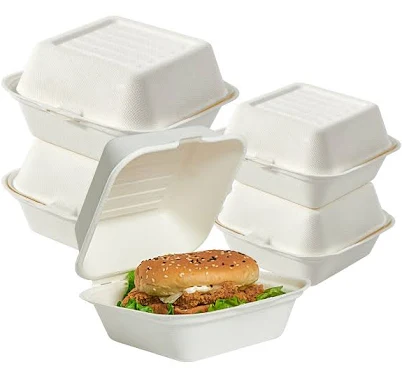
- Sugarcane bagasse (compostable fiber)
- We found no PFAS statement from the brand
- Bleaching agents and residual processing chemicals
3 hazards checked on this product, all on its full breakdown.
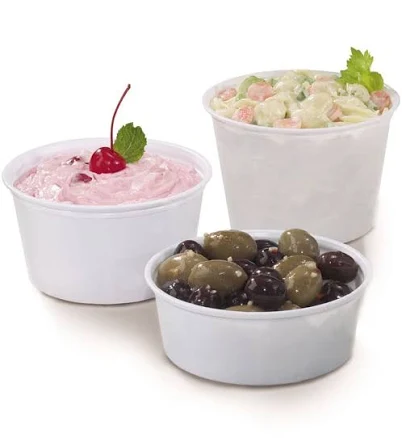
- polypropylene (PP) container, uncoated
- We found no PFAS statement from the brand
- Microplastics
2 hazards checked on this product, all on its full breakdown.
More disposable food containers grades
How we score, every product runs through the same public 0-100 rubric based on materials, coatings, brand disclosure, lab findings, and recalls. See the full methodology → Spotted a mistake? Report an error.